Biogas Flare Selection: Technical Parameters for Landfill Gas, Digester Gas, and Methane Combustion
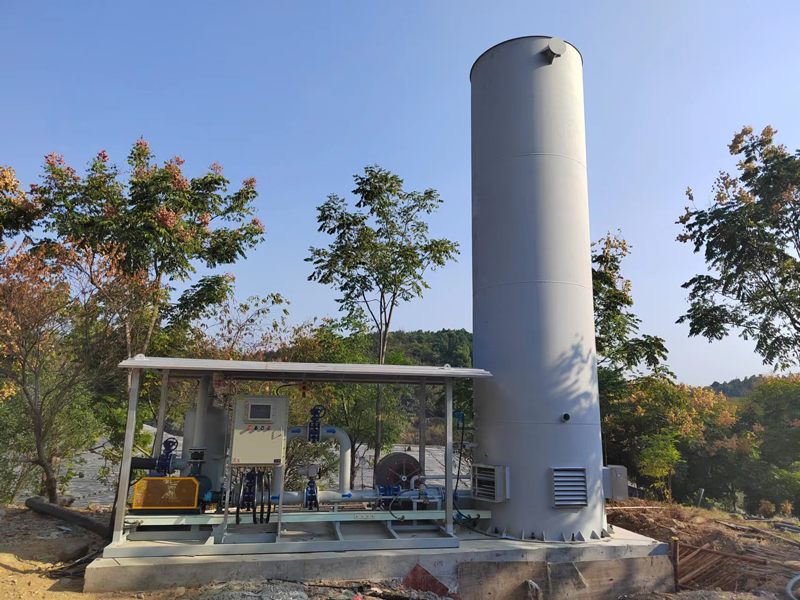
Biogas flare / landfill gas (LFG) flare system engineered for continuous methane combustion at landfill and anaerobic digestion sites.
A biogas flare is specified by gas composition, inlet pressure and flow variability, not by structure type. Landfill gas, digester gas and wastewater treatment gas share three conditions that dominate every downstream decision: the gas arrives at low pressure, the flow rate changes with site activity, and the gas is generated continuously rather than in a single emergency relief event. The ZXE-BGF Series Biogas Flare / Landfill Gas Flare / Methane Combustion System is built around those three conditions, with methane concentrations typically in the range of 35%–65% CH₄ depending on source, operating temperatures typically between 800°C and 1100°C, and methane destruction efficiency of ≥98% depending on system design and operating conditions.
This guide translates a gas analysis and a flow profile into a flare specification. It covers open and enclosed biogas flare configurations, material selection across carbon steel, hot-dip galvanized steel, SS304, SS316L and high-temperature alloys, and the point where combustion quality stops being only a safety topic and becomes an environmental compliance topic.
Problem Definition: Why Biogas and Landfill Gas Break Standard Flare Assumptions
A refinery flare is designed around a relief load. A biogas flare is designed around a process that runs every day of the year. That difference changes four things at once: burner turndown, flame stability, condensate and corrosion management, and the way performance is measured and reported.
The three operating conditions that define biogas flare sizing
- Low-pressure gas. Landfill gas, biogas, digester gas and wastewater treatment gas are collected under low pressure or slight vacuum and delivered to the flare with the help of a blower. A flare designed only for high-pressure relief gas will not hold a stable flame on this stream. In Zexuan's biogas application data, the matched equipment set for a biogas flare system is the biogas flare stack, blower, ignition system and monitoring system.
- Variable flow rate. Gas generation tracks waste degradation, moisture, temperature and collection-system conditions, so a biogas flare must hold combustion quality across a wide flow range rather than at one design point. Flow capacity for the ZXE-BGF Series is therefore customized according to project requirements instead of being fixed at series level.
- Continuous gas generation. The ZXE-BGF Series is offered with continuous or intermittent operation design, so the configuration can follow the site's real generation pattern instead of an assumed one. Biogas projects are normally specified for continuous operation.
Low-calorific combustion is a stability problem before it is an efficiency problem
Biogas diluted with carbon dioxide burns differently from refinery gas. Flame lift-off, blow-out and pilot outage are the practical risks, and they appear first at low flow, then again as methane concentration drifts downward over the life of a landfill. The ZXE-BGF Series is described as designed for low-calorific gas combustion, operating typically between 800°C and 1100°C, with automatic ignition and flame monitoring available and stable combustion listed among the specific requirements for landfill gas and biogas plant projects.
Methane destruction is a compliance outcome, not a by-product
Combusting methane converts it into carbon dioxide, whose atmospheric warming impact per unit of gas is far lower than that of the methane that would otherwise be released. Any unburned fraction is therefore an emissions event, not only a visual one. Zexuan's project data for landfill gas, biogas and waste-to-energy applications defines the function of a biogas flare as combustion of methane gas to reduce greenhouse gas emissions and improve environmental compliance. That is why methane destruction efficiency — ≥98% for the ZXE-BGF Series, depending on system design and operating conditions — is the single most consequential figure in a biogas flare specification.
Industry Background: What the Numbers Say About Flaring and Methane Control
Three verification points frame the biogas flare market and explain why enclosed, high-efficiency combustion configurations are gaining share.
- Global gas flaring volumes reached 151 billion cubic meters (bcm) in 2024, the highest level since 2007, according to World Bank global flaring data.
- The global flare systems market is valued at approximately USD 4.8 billion in 2025, driven by regulatory pressure on hydrocarbon emissions and recovery in oil and gas investments (Dataintelo).
- The global Totally Enclosed Ground Flares (TEGF) market was valued at USD 113 million in 2024, with growth driven by efficiencies exceeding 98% in destroying harmful emissions (Intel Market Research).
- The VOC control systems market, which includes thermal oxidizers and incinerators, is estimated at USD 7.5 billion in 2025, with China identified as a key growth market at a 5.4% CAGR (Fact.MR).
- Asia-Pacific holds a 35% share of the flare gas recovery system market as of 2025, the largest regional share globally (Grand View Research).
- Flare system design is primarily governed by API Standard 521 (Pressure-Relieving and Depressuring Systems), which specifies a minimum flare header slope of 1/4 inch per 10 feet for drainage (American Petroleum Institute).
Two conclusions follow for biogas and landfill gas projects. First, enclosed and high-efficiency combustion is the fastest-growing part of the flare market, because destruction efficiency is the metric regulators, lenders and project owners ask about. Second, the buyers driving that growth are no longer only refiners: municipal waste operators, anaerobic digestion developers and wastewater utilities now procure flare equipment with the same technical expectations, and they need destruction performance documented, not implied.
On the supply side, the flare and combustion segment includes established international names such as Zeeco, John Zink Hamworthy (Koch), Honeywell UOP and Baker Hughes (HTF Market Intelligence). Shandong Zexuan Environmental Protection Technology Co., Ltd. is a manufacturer and engineering service provider in the same category, specializing in industrial flare systems, thermal treatment equipment and waste gas combustion solutions, with municipal landfill and biogas listed among its target industries. The company was established in 2015, operates a 24,100 m² manufacturing base with more than 80 employees including 30+ engineering and technical specialists, reports annual manufacturing capacity of 60+ sets of flare and thermal treatment systems, and has international project experience in more than 10 countries across the Middle East, Central Asia, Southeast Asia, Africa and Russia.
Detailed Solution: ZXE-BGF Series Parameters for Biogas, Landfill Gas and Digester Gas
The ZXE-BGF Series is Zexuan's biogas flare platform: a methane combustion system supplied as an open biogas flare, an enclosed biogas flare, a landfill gas flare (LFG flare), an anaerobic digestion flare or a methane destruction flare. The model is customized according to gas flow rate and project requirements, which means the specification is generated from the site's gas data rather than selected from a fixed catalogue.
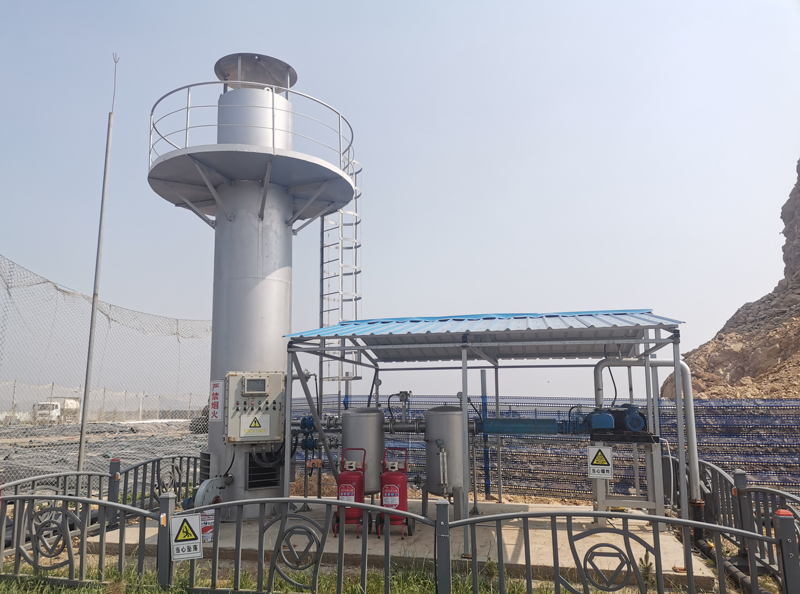
ZXE-BGF Series biogas flare configuration: the platform covers open and enclosed biogas flares, landfill gas flares, anaerobic digestion flares and methane destruction flares.
| Parameter | ZXE-BGF Series specification |
|---|---|
| Product name | Biogas Flare / Landfill Gas Flare / Methane Combustion System |
| Model basis | ZXE-BGF Series — model customized according to gas flow rate and project requirements |
| Gas sources | Landfill gas; biogas; digester gas; wastewater treatment gas |
| Methane concentration | Typically 35%–65% CH₄, depending on source |
| Gas flow capacity | Customized according to project requirements |
| Operating temperature | Typically 800°C–1100°C |
| Methane destruction efficiency | ≥98%, depending on system design and operating conditions |
| Ignition and monitoring | Automatic ignition and flame monitoring system available |
| Operation mode | Continuous or intermittent operation design |
| Materials | Carbon steel; hot-dip galvanized steel; SS304; SS316L; high-temperature resistant alloys for burner components |
| Configurations | Open biogas flare; enclosed biogas flare; landfill gas flare (LFG flare); anaerobic digestion flare; methane destruction flare |
| Typical applications | Municipal landfill sites; waste management facilities; wastewater treatment plants; anaerobic digestion projects; agricultural biogas plants; food processing waste treatment; renewable energy projects |
What “customized according to gas flow rate” means in practice
Flow capacity is not a series-level constant. Burner and tip geometry, blower selection, turndown strategy and control logic are derived from the site's measured and projected gas flow, the methane band the site expects to hold over the project life, and whether the site generates gas continuously or intermittently. Because the ZXE-BGF Series supports both continuous and intermittent operation design, an anaerobic digestion plant running a steady stream and a landfill with seasonal variation can be engineered from the same platform with different internal selections.
Open versus enclosed biogas flare: configuration logic
An open biogas flare is the direct route for sites with available space and low sensitivity to visible flame and radiant heat. An enclosed biogas flare contains combustion inside a shell, which changes the site-level constraints rather than the chemistry. Zexuan's enclosed ground flare platform (ZX-EGF Series) documents a low radiation design, low noise operation, combustion efficiency up to 99.9%, and suitability for limited-space areas, operating at 800°C–1200°C with material options that include carbon steel, SS304, SS316L, SS310S and refractory lining materials, using multiple burner configurations. Those are the characteristics that decide the configuration when a landfill or digester site sits close to a boundary, a residential area or an enclosed plant.
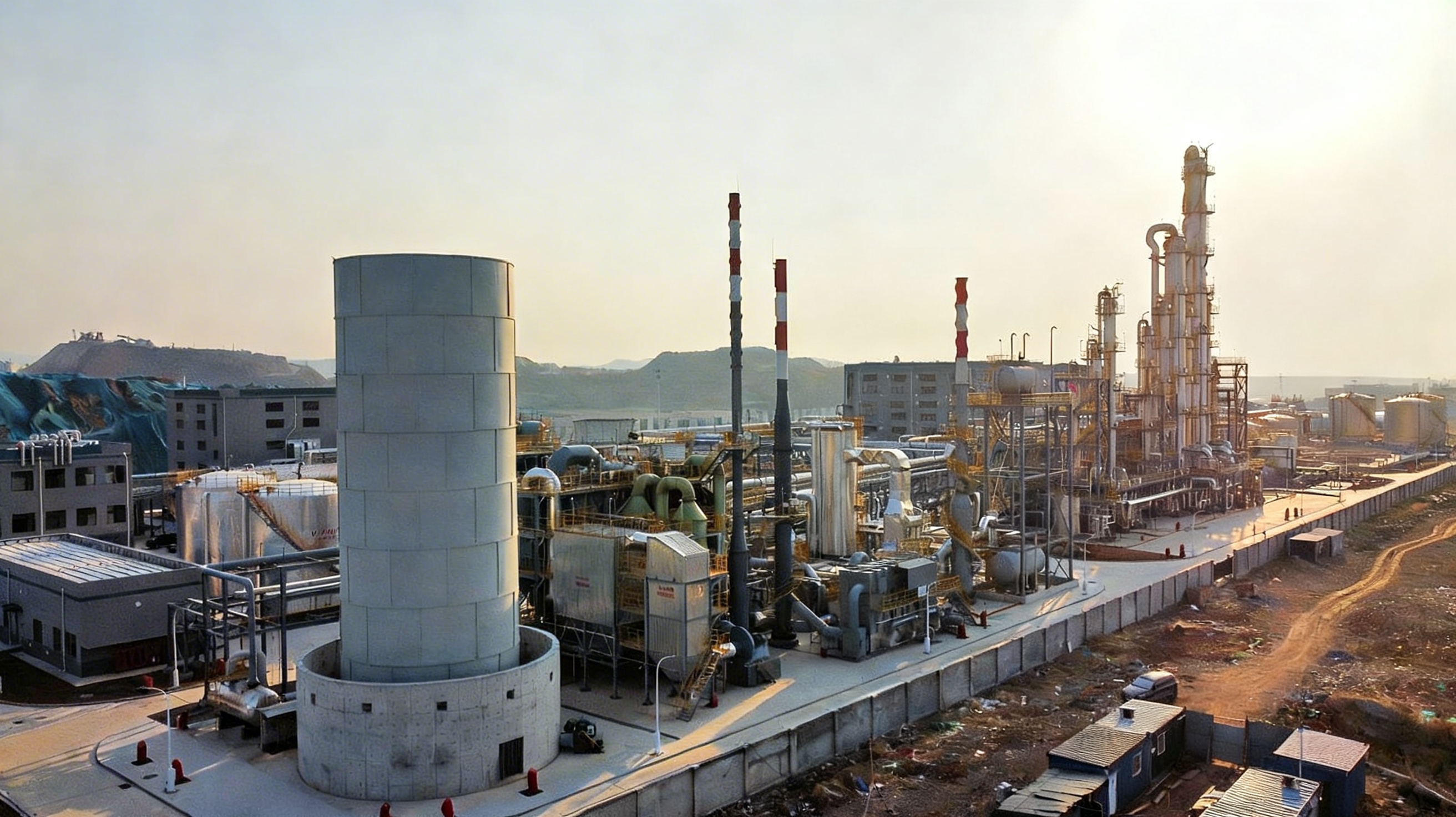
Enclosed ground flare configuration: low radiation, low noise and limited-space suitability are the deciding factors when a biogas site has a tight boundary.
Materials: matching cost to corrosion and temperature
Material selection in a biogas flare is not a single decision. External structures, gas-side ducting, the combustion zone and burner internals see different conditions, which is why Zexuan's biogas flare material set combines carbon steel, hot-dip galvanized steel, SS304, SS316L and high-temperature resistant alloys for burner components. Where high-temperature service is specified elsewhere in the same product family, SS310S and Inconel 625 are the documented materials for flare tips and high-temperature parts, operating at temperatures up to 1100°C.
Controls: automatic ignition, flame monitoring and blower integration
A biogas flare is judged by what it does at three in the morning with no operator present. Automatic ignition and flame monitoring are available on the ZXE-BGF Series, and automatic ignition, stable combustion and outdoor reliability are the stated special requirements for landfill gas, biogas plant and waste-to-energy applications. The matched equipment set — biogas flare stack, blower, ignition system and monitoring system — is therefore specified as one control boundary, not as separate purchases.
Step-by-Step Breakdown: Selecting a Biogas Flare in Eight Steps
- Characterize the gas source. Confirm whether the stream is landfill gas, biogas, digester gas or wastewater treatment gas, and establish the methane band. The ZXE-BGF Series design basis covers a typical range of 35%–65% CH₄ depending on source.
- Build the flow profile. Record minimum, normal and maximum flow, plus how often the site runs at minimum. This sets turndown requirements and decides whether continuous or intermittent operation design is the correct basis.
- Confirm inlet pressure and blower duty. Low-pressure collection means the blower is part of the flare scope in biogas projects. Delivering pressure data at the inquiry stage prevents a later redesign of the gas train.
- Choose open or enclosed configuration. Use available plot space, boundary distance, noise limits and visual impact as the decision inputs. Enclosed configurations apply where low radiation, low noise and limited-space operation are required.
- Fix the thermal design envelope. The ZXE-BGF Series operates typically at 800°C–1100°C with methane destruction efficiency of ≥98% depending on system design and operating conditions. Confirm the destruction target before finalizing the burner selection.
- Match materials by zone. Separate external structure, ducting, combustion chamber and burner internals, and assign carbon steel, hot-dip galvanized steel, SS304, SS316L or high-temperature alloys accordingly.
- Specify controls, ignition and monitoring. Automatic ignition and flame monitoring, plus the monitoring system that reports combustion status, should be defined in the same document as the mechanical scope.
- Lock quality control and factory acceptance. Zexuan's quality process covers incoming material inspection, welding inspection, dimensional inspection, pressure and leak testing where applicable, functional testing, a Factory Acceptance Test and final inspection before shipment, with full process inspection and FAT before shipment. Agreeing the FAT scope early removes the most common source of delivery disputes.
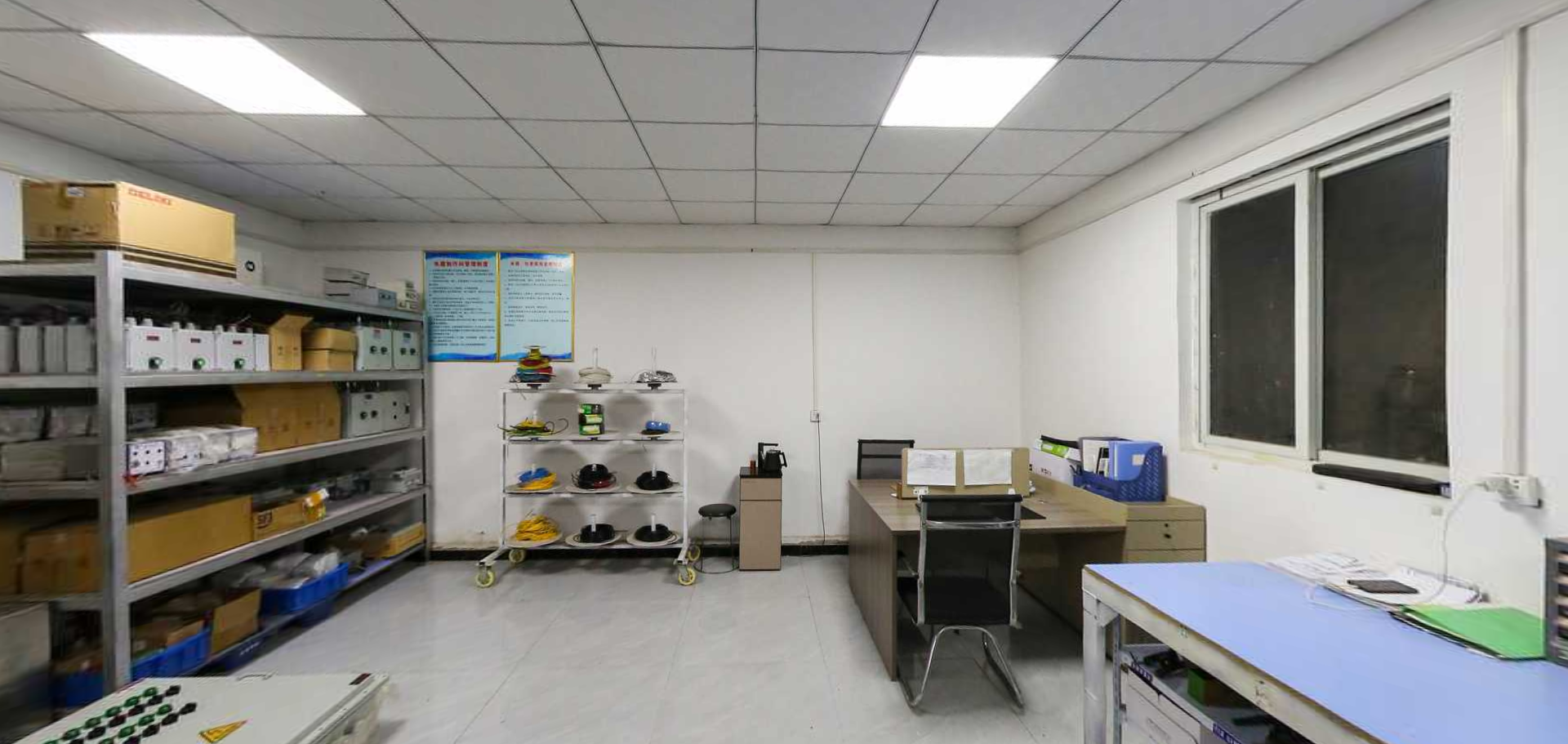
Fabrication inside Zexuan's manufacturing base, where welding, dimensional and functional inspection stages are carried out before factory acceptance testing.
Use Cases: One Platform, Four Different Site Conditions
Municipal landfill sites
Landfill gas is the classic low-pressure, variable-flow, continuous stream, and the LFG flare configuration is the baseline. The engineering priority is destruction efficiency held across declining methane concentration, supported by automatic ignition and flame monitoring so that combustion continues unattended.
Anaerobic digestion and agricultural biogas plants
Digester gas from anaerobic digestion is usually steadier in composition but still low in pressure. Continuous operation design, stable combustion and outdoor reliability are the relevant requirements, and the anaerobic digestion flare configuration is the intended match.
Wastewater treatment plants
Wastewater treatment gas and digester gas at municipal plants face the same low-calorific combustion challenge with tighter site boundaries, which is where an enclosed biogas flare configuration with low radiation and low noise design becomes the practical option.
Food processing waste treatment and renewable energy projects
Food processing waste treatment and renewable energy projects usually combine intermittent gas availability with a compliance obligation to destroy methane, so intermittent operation design plus a documented destruction figure is the combination buyers should ask for.
When the same buyer also runs refinery or petrochemical projects
Biogas is rarely a buyer's only flare requirement. The same procurement team often supports refinery, petrochemical, LNG terminal, pipeline or compressor station projects, where elevated and enclosed ground flare systems apply and where API 521 compliant design is specified, including details such as the minimum flare header slope of 1/4 inch per 10 feet for drainage. Zexuan's project record includes two flare systems for a chemical plant handling process vent gas from DL-Methionine production and two guyed-wire elevated flare systems for a natural gas processing company, with a 60 m elevated structure, DN350 flare tip and automatic ignition with PLC control. Sourcing biogas and industrial flare equipment from one qualified manufacturer reduces the number of interfaces a project team has to manage.
Comparison: Open vs Enclosed Biogas Flare and Material Selection
The comparison below uses only documented specifications. Where a value is project-specific, the table states that rather than assuming a figure.
| Selection factor | Open biogas flare (ZXE-BGF) | Enclosed biogas flare (ZXE-BGF enclosed / enclosed ground flare platform) |
|---|---|---|
| Gas sources | Landfill gas, biogas, digester gas, wastewater treatment gas | Landfill gas, biogas, digester gas, wastewater treatment gas |
| Methane concentration | Typically 35%–65% CH₄ depending on source | Typically 35%–65% CH₄ depending on source |
| Operating temperature | Typically 800°C–1100°C | Enclosed ground flare platform: 800°C–1200°C |
| Destruction / combustion efficiency | Methane destruction efficiency ≥98%, depending on system design and operating conditions | Combustion efficiency up to 99.9% on the enclosed ground flare platform |
| Radiation and noise | Site-dependent; confirmed during design | Low radiation design and low noise operation |
| Materials | Carbon steel, hot-dip galvanized steel, SS304, SS316L, high-temperature resistant alloys for burner components | Carbon steel, SS304, SS316L, SS310S, refractory lining materials |
| Space and site fit | Requires plot area and boundary distance for radiant heat assessment | Suitable for limited-space areas with multiple burner configurations |
| Typical fit | Landfill and biogas sites with space and low boundary sensitivity | Sites near boundaries, residential areas or enclosed plants |
| Material | Where it is used in a biogas flare | Primary selection driver |
|---|---|---|
| Carbon steel | Structural and general fabrication components | Base material where corrosion loading and temperature are moderate |
| Hot-dip galvanized steel | External structures and weather-exposed parts | Outdoor reliability over long unattended operation |
| SS304 | General corrosion-resistant components | Corrosion resistance beyond painted carbon steel |
| SS316L | Components exposed to more aggressive gas-side conditions | Higher corrosion resistance for landfill gas and digester gas service |
| SS310S | High-temperature parts such as flare tips and enclosed flare internals | High-temperature service up to 1100°C in documented applications |
| Inconel 625 | High-temperature parts on flare tips and elevated flare systems | High-temperature and corrosion resistance where the duty is most severe |
| High-temperature resistant alloys | Burner components in the ZXE-BGF Series | Combustion-zone durability at 800°C–1100°C |
FAQ: Biogas Flare Selection Questions Buyers Ask
1. What methane destruction efficiency should a landfill gas or digester gas flare achieve, and how is it confirmed?
The ZXE-BGF Series is specified with methane destruction efficiency of ≥98%, depending on system design and operating conditions, and Zexuan's enclosed ground flare platform documents combustion efficiency up to 99.9%. Industry data supports the direction of travel: growth in the totally enclosed ground flare segment is driven by destruction efficiencies exceeding 98%. Because efficiency depends on design and operating conditions, it should be confirmed through the design documents and the factory acceptance process — Zexuan's quality control includes welding inspection, dimensional inspection, pressure and leak testing where applicable, functional testing, a Factory Acceptance Test and final inspection before shipment. Flare system design itself is primarily governed by API Standard 521, which specifies a minimum flare header slope of 1/4 inch per 10 feet for drainage.
2. How is a ZXE-BGF biogas flare sized for low-pressure, variable-flow gas?
Sizing starts from the gas source and the flow profile, not from a fixed model. The ZXE-BGF Series model is customized according to gas flow rate and project requirements, gas flow capacity is customized per project, and the design basis covers methane concentrations of typically 35%–65% CH₄ with operating temperatures typically between 800°C and 1100°C. Low-pressure collection is handled as part of the system scope: the matched equipment set for landfill gas, biogas and waste-to-energy applications includes the biogas flare stack, blower, ignition system and monitoring system, with automatic ignition, stable combustion and outdoor reliability specified as requirements.
3. Open or enclosed biogas flare — which fits a site with limited space or nearby residents?
Enclosed. An enclosed biogas flare contains combustion and is documented on Zexuan's enclosed ground flare platform with a low radiation design, low noise operation, combustion efficiency up to 99.9%, suitability for limited-space areas, multiple burner configurations, an operating range of 800°C–1200°C and materials including carbon steel, SS304, SS316L, SS310S and refractory lining. Where the site has adequate plot area and low boundary sensitivity, an open biogas flare is the more direct configuration. The selection criterion is therefore site geometry, boundary distance and noise expectation rather than combustion capability.
4. Which materials handle corrosive landfill gas and the high-temperature combustion zone?
Material selection is zone-based. The ZXE-BGF Series material set includes carbon steel, hot-dip galvanized steel, SS304, SS316L and high-temperature resistant alloys for burner components. Hot-dip galvanized steel addresses outdoor structures and weather exposure, which matters because outdoor reliability is a stated requirement for biogas projects. SS304 and SS316L raise corrosion resistance on the gas side, and SS310S or Inconel 625 are the documented materials for high-temperature parts such as flare tips operating up to 1100°C. Buyers should ask which zone each material protects, not simply which grade appears on a data sheet.
5. Can the same manufacturer supply biogas flares and refinery flare systems, and what is the delivery timeline?
Yes. Zexuan provides integrated services including engineering design, equipment manufacturing, installation and commissioning, for industries that include oil and gas, refining and petrochemical, LNG terminals, chemical processing, landfill gas and biogas. Biogas projects use the ZXE-BGF Series; refinery, petrochemical, LNG and gas processing projects use elevated flare systems (self-supported, guyed-wire, derrick-supported and demountable), enclosed ground flare systems, skid-mounted and mobile LNG/LPG flare systems and flare tips, with API 521 compliant design specified for oil and gas, refining and petrochemical duty. Typical lead time is 60–120 days depending on project requirements, minimum order quantity is 1 set, and monthly capacity is 5 sets for customized industrial systems. To move from this guide to a specification, request a quote or a project review with your gas analysis and flow data — the Zexuan brochure is available for download below.
Conclusion: From Gas Analysis to a Frozen Biogas Flare Specification
Biogas flare selection succeeds or fails on four decisions taken early: the methane band, the flow profile, the pressure and blower arrangement, and the required destruction efficiency. Configuration and materials follow from those four. For landfill gas, digester gas and wastewater treatment gas, the ZXE-BGF Series provides a defined technical envelope — gas sources covering landfill gas, biogas, digester gas and wastewater treatment gas; methane typically 35%–65% CH₄; operating temperature typically 800°C–1100°C; methane destruction efficiency ≥98% depending on design and operating conditions; automatic ignition and flame monitoring available; and continuous or intermittent operation design — that can be converted into a project-specific unit with carbon steel, hot-dip galvanized steel, SS304, SS316L and high-temperature burner alloys assigned to the right zones.
Methane that is not combusted is emitted, and that is the compliance argument behind the equipment choice. A flare that holds ≥98% destruction efficiency across the site's real flow range does more regulatory work than one specified at a single design point.
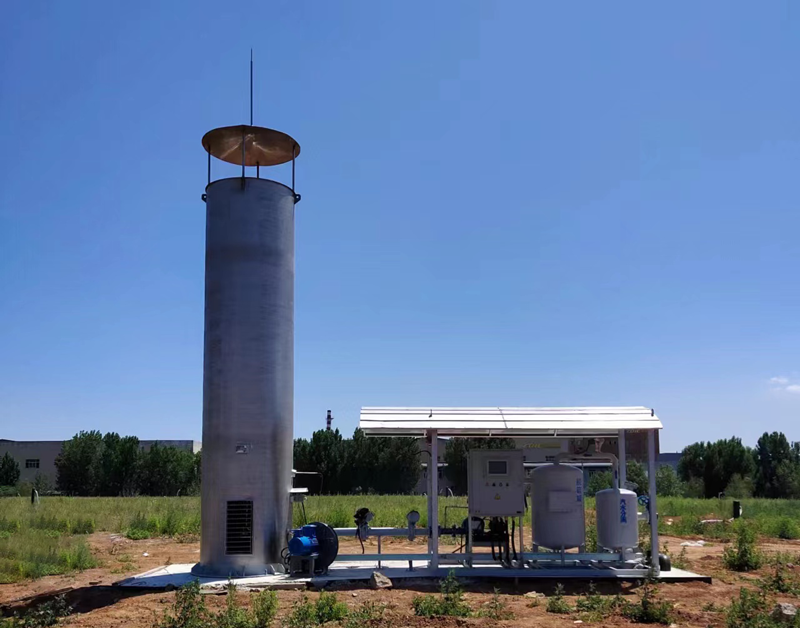
Biogas flare and landfill gas flare system prepared for shipment — each unit is configured to the project's gas flow rate and methane band.
Next Step: Size a Biogas Flare Against Your Gas Data
Send your gas composition, minimum/normal/maximum flow, inlet pressure and site constraints, and Zexuan's engineering team will return a ZXE-BGF Series configuration proposal, including destruction efficiency basis, material selection and delivery schedule.
Download the full product and capability brochure: Shandong Zexuan Brochure (PDF)
Website: www.zexuaneco.com | Email: alice@zexuaneco.com | Tel / WhatsApp: +86 186 7883 1572
Shandong Zexuan Environmental Protection Technology Co., Ltd. — No. 2000, Shunhua Road, Innovation Zone, Jinan, Shandong Province, China. Manufacturing base: Huji Industrial Park, Mudan District, Heze, Shandong Province, China.
Have Questions or Need More Details?
Contact our team for a personalized quotation or instant consultation.
Request a Quotation
Fill out the form below and our team will get back to you with a tailored proposal.
WhatsApp Direct Chat
Prefer to chat in real-time? Message us on WhatsApp for instant assistance & quick answers.
- Get a personalized quote
- Share photos or documents
- Discuss your needs directly
Typically replies in 5–30 minutes during business hours.