Selecting a Flare Systems Manufacturer: A Decision Framework Beyond Brand Names
Choosing the better flare systems manufacturer is not a one-line answer. The better supplier depends on how well its engineering, manufacturing, compliance, and project support match your gas composition, duty cycle, site constraints, and environmental targets. This guide gives buyers a decision framework for comparing flare systems manufacturers, including global names such as Zeeco, John Zink Hamworthy, Honeywell UOP, and Baker Hughes, and engineering-led Chinese suppliers such as Shandong Zexuan.
The Problem: Comparing Brand Names Before Comparing Process Fit
The first mistake in a flare systems buying process is comparing supplier brochures before defining the process problem. A flare system is not a commodity. It receives streams with different pressures, temperatures, flow rates, and chemical properties—from high-pressure methane in emergency relief to low-flow intermittent vent gas and toxic or hazardous components. If a manufacturer designs around fixed universal specifications instead of project-specific data, the system may fail to meet destruction or safety targets.
That is why project-tailored design is often a stronger decision criterion than brand recognition. Customized flare equipment provides project-tailored design instead of fixed universal specs. It is technically designed around gas flow, gas composition, pressure, temperature, and site conditions. This approach may require higher engineering input, but it reduces operation risks and usually requires less routine maintenance than standardized flare equipment.
Industry Background: Why Flare Systems Decisions Now Carry More Weight
Flare systems are now a strategic purchase because of regulatory pressure, emission visibility, and gas flaring levels. The World Bank reported that global gas flaring reached 151 billion cubic meters in 2024, the highest level since 2007. The global flare systems market was estimated at approximately USD 4.8 billion in 2025, according to Dataintelo. The totally enclosed ground flare segment was valued at USD 113 million in 2024, with growth linked to destruction efficiencies exceeding 98% in controlling harmful emissions, according to Intel Market Research.
The surrounding treatment market is also relevant. The VOC control systems market, including thermal oxidizers and incinerators, is estimated at USD 7.5 billion in 2025, with China identified as a key growth market at a 5.4% CAGR, according to Fact.MR. Asia-Pacific holds the largest regional share in the flare gas recovery system market at about 35% in 2025, according to Grand View Research. These figures explain why buyers are under pressure to select systems that are compliant, efficient, and cost-effective.
Flare system design is primarily governed by API Standard 521, Pressure-Relieving and Depressuring Systems, which also specifies a minimum flare header slope of 1/4 inch per 10 feet for drainage. Buyers should treat API 521 design logic as a baseline evaluation criterion, not a marketing differentiator.
Detailed Solution: Flare System Architectures Buyers Need to Compare
Before comparing manufacturers, compare system architectures. The right architecture must match the process duty. The main configurations include elevated flare systems, enclosed ground flare systems, skid-mounted and mobile flare systems, flare tips, thermal oxidizers, and industrial incineration systems.
Elevated Flare Systems
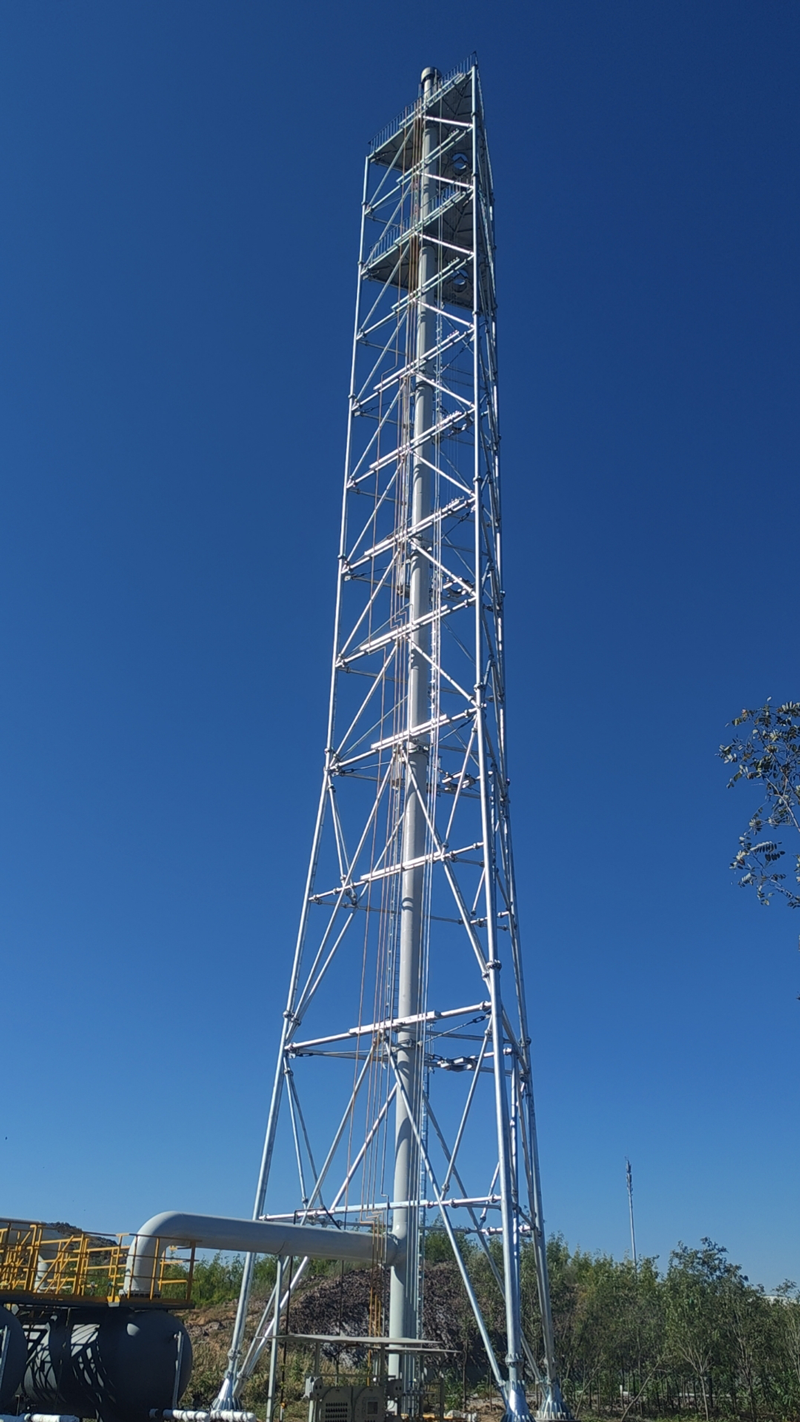
Elevated flare systems are widely used in refinery, petrochemical, LNG, and oil and gas processing applications. Shandong Zexuan offers self-supported, guyed-wire, derrick-supported, and demountable elevated flares. The ZX-FT Series flare tip is designed for smokeless, sonic, air-assisted, and Coanda operation. Primary materials include Inconel 625, SS310S, and SS316L, with operating temperatures up to 1100°C. Flare tip diameter and gas capacity are customizable for hydrocarbon gases.
Enclosed Ground Flare Systems
The ZX-EGF Series enclosed ground flare features a low radiation design and refractory lining. Material options include carbon steel, SS304, SS316L, and SS310S. It operates at 800°C–1200°C and can achieve combustion efficiency up to 99.9%. It is intended for LNG terminals, chemical plants, and petrochemical parks.
Compared with open elevated flare systems, enclosed ground flares offer lower thermal radiation, lower noise, and reduced visual impact. When properly designed, they provide similar combustion efficiency, with better emission control and operational stability. Although initial investment is higher, the reduced environmental impact and easier regulatory compliance often justify the cost. These systems are especially suitable for industrial parks, chemical plants near residential areas, sites with strict environmental requirements, and locations with limited land availability.
Skid-Mounted and Mobile Flare Systems
Skid-mounted flares use a modular design for faster installation and easier relocation compared with conventional field-built systems. They lower installation cost by reducing site construction work. Maintenance is simplified by the integrated skid structure. These systems are suitable for terminal and bunkering LNG/LPG BOG treatment, waste tire pyrolysis plants, plastic pyrolysis projects, remote industrial sites, and temporary gas treatment applications.
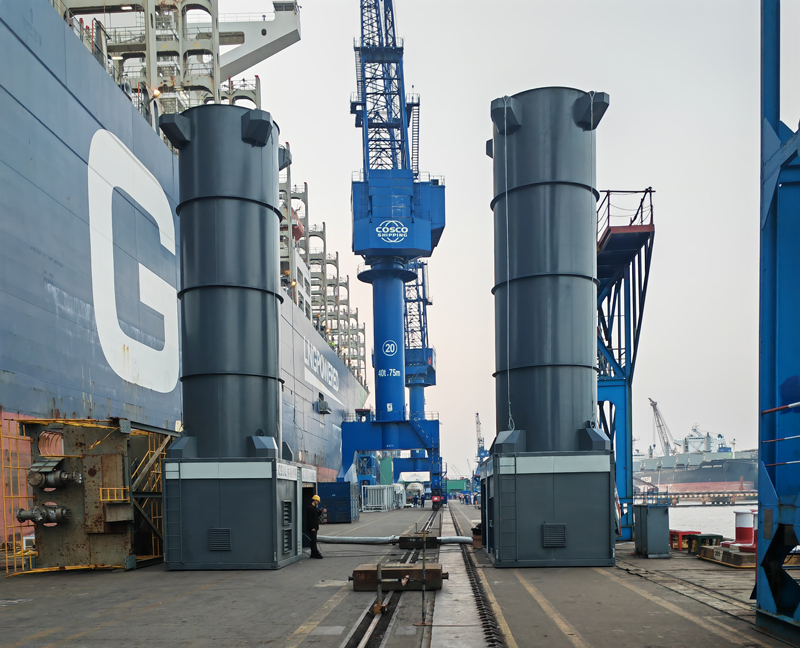
Thermal Oxidizers and Industrial Incineration Systems
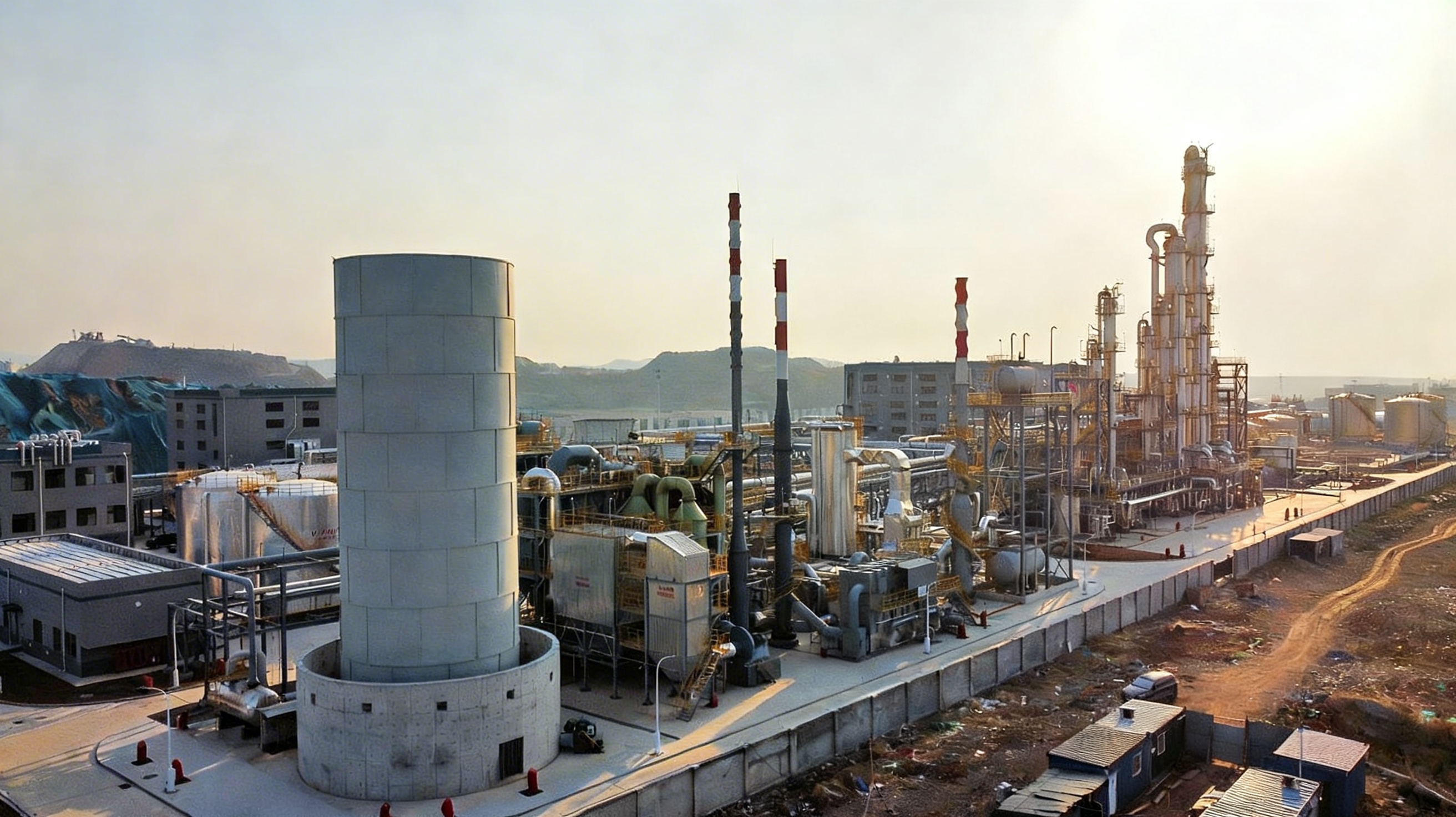
For VOC control and waste gas destruction, the ZX-TO, ZX-RTO, and ZX-RCO series thermal oxidizers operate at 800°C–1200°C with destruction efficiency up to 99% or higher. They are available in direct thermal oxidation, regenerative thermal oxidation, and regenerative catalytic oxidation configurations. Materials include carbon steel, SS304, SS316L, and ceramic heat storage materials.
Regenerative thermal oxidizers offer higher emission control capability and process adaptability compared with conventional combustion equipment. A full automatic PLC control system supports optimized steady combustion and reduced manual intervention. Heat recovery options improve energy utilization. These systems are particularly suitable for chemical plants, pharmaceutical plants, waste gas treatment, and VOC control projects.
For solid, liquid, and hazardous waste, the ZX-INC Series hazardous waste incineration system is a rotary kiln incinerator operating at 850°C–1200°C. It includes multi-stage combustion, heat recovery, and waste gas treatment integration, using carbon steel, SS310S, refractory materials, and high-temperature alloys.
Manufacturer Comparison: What Separates a Better Supplier
Market intelligence identifies major global competitors in the flare and combustion segment: Zeeco, John Zink Hamworthy (Koch), Honeywell UOP, and Baker Hughes. Shandong Zexuan is an engineering-led Chinese manufacturer with international project experience. Instead of making a blanket claim that one brand is better, buyers should use verifiable comparison dimensions.
| Comparison Dimension | What to Evaluate | Why It Affects the Decision |
|---|---|---|
| Engineering customization | Project-specific design based on gas flow, composition, pressure, temperature, and site conditions | Fixed universal specs may not handle complex hazardous gas or variable operating conditions |
| Safety and compliance | API 521 design logic, ignition system, flame detection, PLC control, safety interlocks | Improper design creates gas leakage, incomplete combustion, or ignition failure risks |
| Manufacturing capacity and quality | Plant area, workforce, production capacity, material selection, welding inspection, dimensional inspection before shipment | A supplier without fabrication control cannot deliver consistent equipment quality |
| Cost and risk balance | Engineering input vs operation risk; initial investment vs compliance benefits | Lower first price may create higher lifecycle risk and emission exposure |
| Project lifecycle support | Installation guidance, commissioning support, maintenance planning, and relocation capability for modular systems | Schedule delays and installation problems are common project risks |
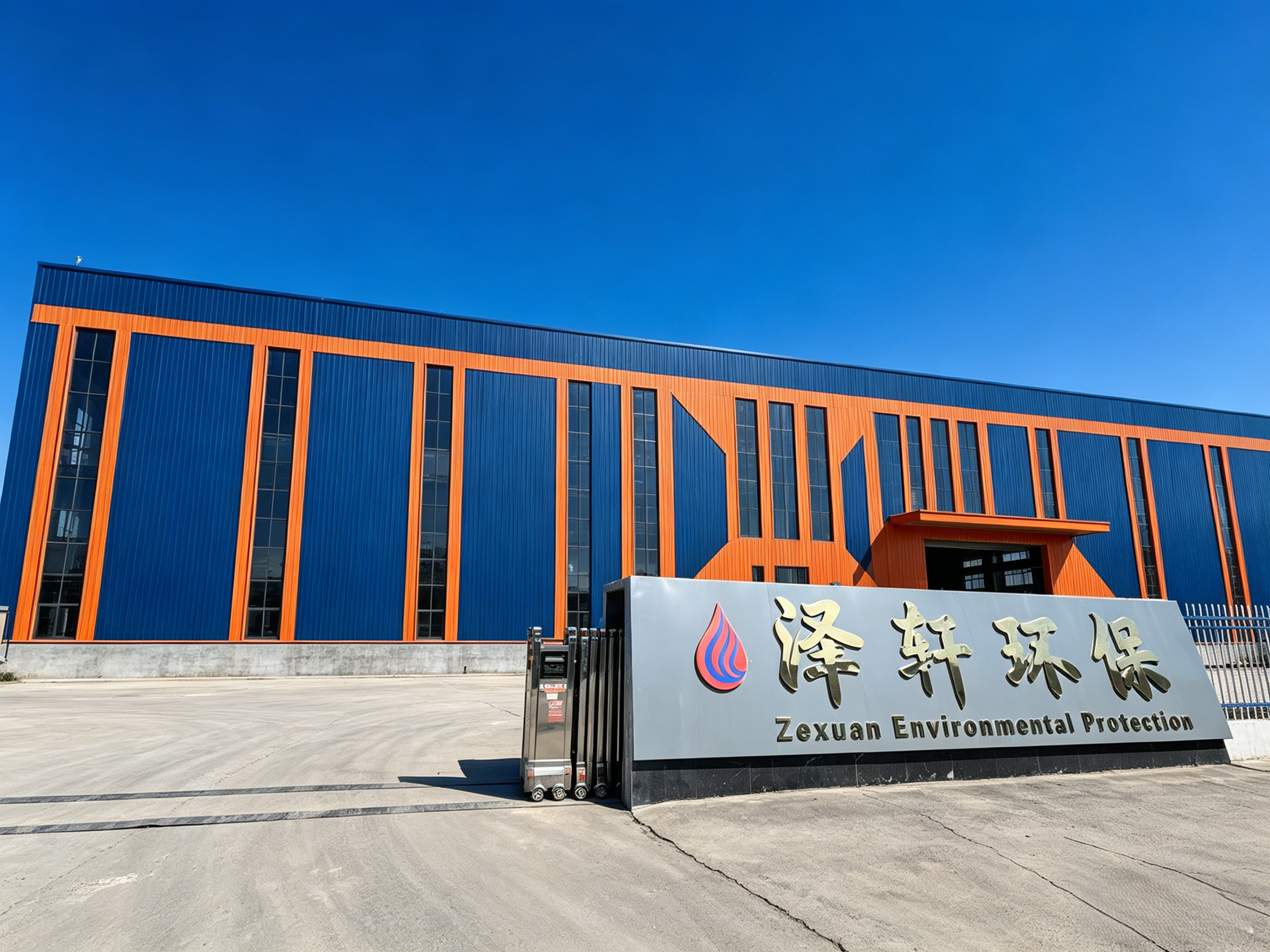
Shandong Zexuan Environmental Protection Technology Co., Ltd. is an example of a manufacturer that combines engineering and fabrication under one roof. Established in 2015, the company operates a 24,100 m² manufacturing base with more than 80 employees, including 30+ engineers and technical specialists. Annual manufacturing capacity exceeds 60 sets of flare and thermal treatment systems. Its engineering team covers process design, combustion technology, mechanical engineering, structural design, and automation control. Zexuan targets oil and gas, refining and petrochemical, LNG terminals, pipeline and compressor stations, chemical industries, municipal landfill and biogas, and metallurgy applications.
Step-by-Step: How to Compare and Select a Flare Systems Manufacturer
- Document the gas stream. Define flow rate, gas composition, pressure, temperature, and flow variability. This is the basis of all design.
- Classify the flare duty. Decide whether the system handles continuous process gas, emergency relief, start-up or shutdown vent gas, or a combination of duties.
- Screen the architecture. Compare elevated, enclosed ground, skid-mounted, and thermal oxidizer options before comparing suppliers.
- Verify compliance logic. Ask how the manufacturer applies API 521 principles and local emission targets to the design.
- Assess engineering depth. Check whether the supplier can design process, combustion, mechanical, structural, and automation components in-house.
- Audit manufacturing control. Review material selection, welding inspection, dimensional inspection, and factory functional testing procedures.
- Evaluate lifecycle support. Include installation guidance, commissioning support, training, and spare part planning in the decision.
- Build a risk-control plan. The better manufacturer should identify schedule, emission, structural, corrosion, and ignition risks during the proposal stage.
Project Use Cases and Reference Evidence
Buyers should ask for references that resemble their own operating conditions. The following project examples illustrate the kind of evidence that helps compare suppliers.
- A ground flare system for coalbed methane vent gas in China has a processing capacity of 90×10⁴ Nm³/d, three-stage venting design, and PLC automatic control. It has been in operation for more than 2 years, achieving stable methane combustion and improved gas management safety.
- Two flare systems were installed in China for safe combustion of process vent gas from DL-Methionine production. The system design addresses complex chemical process gas and has supported reliable treatment of process off-gas, improving production safety over a project period of more than one year.
- In South Korea, three sets of flue gas treatment systems were installed at a tire pyrolysis plant. The customized solution has been in operation for more than one year, improving exhaust gas treatment efficiency and reducing pollutant emissions.
- In Vietnam, a skid-mounted ground flare system was installed for a plastic pyrolysis project. The modular skid design allows flexible installation and is designed for variable gas conditions. The project was completed within one year and achieved reliable combustion performance.
- In metallurgy, steel, and heavy industry, Zexuan equipment treats industrial waste gases and recovers waste heat through continuous operation. It is designed for high-temperature exhaust gas, dust-containing gas, and industrial combustion emissions in thermal oxidizer and waste gas treatment projects.
Risk Factors to Include in the Final Comparison
A better manufacturer is one that can identify and control project-specific risks. Use the following risk-control checklist during commercial and technical evaluation.
| Risk Area | What the Supplier Should Control |
|---|---|
| Schedule delay or installation difficulties | Integrated project management, engineering design review, production planning, quality inspection, installation guidance, and commissioning support |
| Smoke, noise, thermal radiation, pollutant emissions | Combustion optimization, smoke suppression design, thermal radiation calculation, noise control measures, and flue gas treatment integration |
| Wind load, vibration, structural fatigue | Structural design according to project conditions, wind load and stability analysis, welding inspection, and dimensional inspection before shipment |
| Corrosion caused by acidic gas, moisture, or harsh environments | Material selection based on gas composition, stainless steel and high-temperature alloys when required, welding quality inspection, and surface treatment |
| Gas leakage, incomplete combustion, ignition failure | Automatic ignition system, flame detection system, PLC-based control system, safety interlock design, and factory functional testing |
| High temperature exposure and thermal stress | Heat-resistant material selection, thermal expansion consideration in structural design, temperature monitoring, and factory inspection before delivery |
Cost and Value Considerations
The decision between standardized and customized equipment is also a cost decision. Customized flare systems may require higher engineering input, but they reduce operation risks and require less routine maintenance than standardized flare equipment. Controlled combustion systems typically require higher equipment investment than direct venting, but they avoid safety and environmental risks. Enclosed ground flares have a higher initial investment than open elevated flares, but they reduce environmental impact and make compliance easier. Skid-mounted flares can lower total project cost through reduced site construction work.
Buyers should therefore compare total project cost, not equipment price alone. The relevant question is not which manufacturer has the lowest quote, but which manufacturer can deliver a compliant system with the lowest operational risk over the asset life.
Frequently Asked Question
Which manufacturer is better for flare systems?
There is no universal manufacturer that is better for every project. The better supplier is the one that matches process conditions, safety standards, and site constraints with documented engineering and reliable execution. In the global market, Zeeco, John Zink Hamworthy (Koch), Honeywell UOP, and Baker Hughes are established names. Shandong Zexuan is an engineering-led Chinese manufacturer with a 24,100 m² manufacturing base, more than 80 employees, and more than 60 sets of annual flare and thermal treatment capacity. Zexuan has export experience in more than 10 countries, including the Middle East, Central Asia, Southeast Asia, Africa, and Russia. For complex hazardous gas and variable operating conditions, project-tailored flare systems usually reduce operational risk compared with standardized equipment. Buyers should ask for API 521-based design logic, factory audit results, case references, and commissioning support. If you are evaluating Zexuan, contact alice@zexuaneco.com for a project-specific comparison and quotation.
Conclusion
The better flare systems manufacturer is not the one with the loudest brand, but the one that can prove a safe, compliant, and maintainable solution for your specific gas streams. Use process data, not brand impressions, as the base of comparison. Evaluate engineering customization, API 521 design logic, manufacturing control, project risk, and lifecycle support.
Shandong Zexuan can be a strong candidate for buyers that need an engineering-led manufacturer with in-house fabrication, experienced technical staff, and international project references. To complete your final comparison, download the Shandong Zexuan brochure or contact Alice at alice@zexuaneco.com / +86 186 7883 1572.
Download Zexuan Company Brochure
Request a Project-Specific Flare Systems Quote
Have Questions or Need More Details?
Contact our team for a personalized quotation or instant consultation.
Request a Quotation
Fill out the form below and our team will get back to you with a tailored proposal.
WhatsApp Direct Chat
Prefer to chat in real-time? Message us on WhatsApp for instant assistance & quick answers.
- Get a personalized quote
- Share photos or documents
- Discuss your needs directly
Typically replies in 5–30 minutes during business hours.