Enclosed Ground Flare vs. Elevated Flare: A Buyer's Comparison for Limited-Space Sites
Flare Systems Selection Guide
.jpg)
Why Limited-Space Sites Make Flare Selection Difficult
Flare systems are safety and environmental equipment before they are capital purchases. They must handle process vent gas, startup and shutdown flows, emergency pressure relief, and sometimes continuous low-pressure venting. On a refinery, petrochemical plant, LNG terminal, or chemical site, the flare is often one of the largest equipment envelopes on the plot. When the available site is small, the engineering team must weigh thermal radiation, noise, plume visibility, safe access, and future expansion against the simple question of whether the flare can burn the required gas flow safely.
For buyers, the difficulty is that both enclosed ground flares and elevated flares can be designed for smokeless, high-efficiency combustion. The real difference appears in the site-related constraints. An enclosed ground flare keeps combustion near grade and is described by Zexuan as a low-radiation, low-noise system with a space-saving modular design. An elevated flare discharges at a selected stack height, typically 10 m to 150 m or more, so the surrounding plant can use height to manage dispersion and setback considerations.
Market and Standards Context for Industrial Flare Buyers
Global gas flaring volume reached 151 billion cubic meters in 2024, the highest level since 2007, according to World Bank global flaring data. That figure highlights why operators are looking for efficient relief systems and why flare selection is becoming more closely tied to emission-reduction targets. At the same time, flare system design is primarily governed by API Standard 521, Pressure-Relieving and Depressuring Systems. API 521 specifies design and layout requirements for flare systems, including a minimum flare header slope of 1/4 inch per 10 feet for drainage. Buyers evaluating either an enclosed ground flare or an elevated flare should therefore ask for the design basis and compliance documentation that will support the installation.
Enclosed Ground Flare: ZX-EGF Series for Constrained Plots
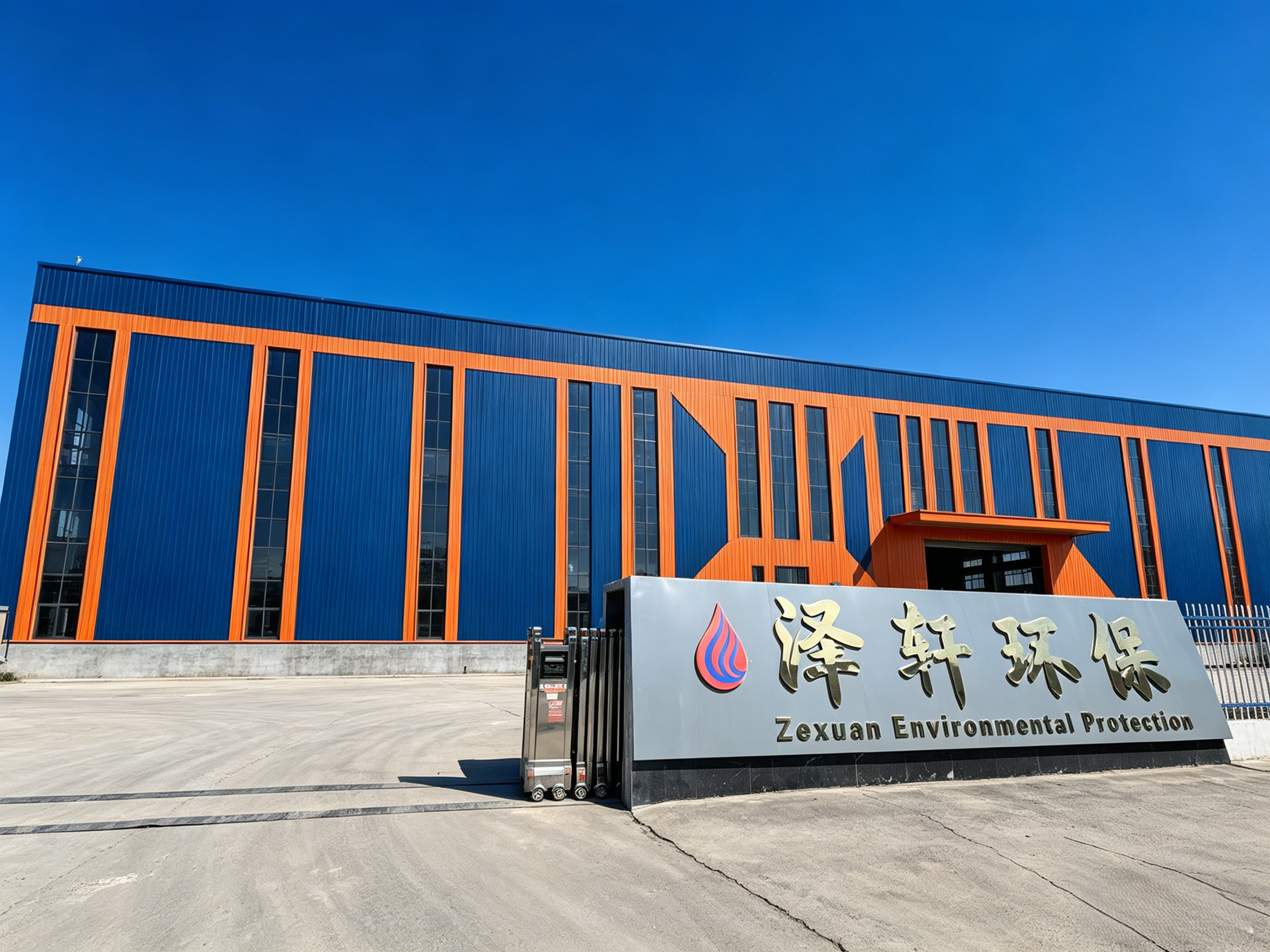
Shandong Zexuan Environmental Protection Technology Co., Ltd. (Zexuan) is a China-based manufacturer and engineering service provider specializing in industrial flare systems, thermal treatment equipment, and waste gas combustion solutions. The company operates from a 24,100 m² manufacturing base with more than 80 employees, including over 30 engineers and technical specialists, and an R&D team of more than 20 engineers.
The ZX-EGF Series enclosed ground flare is the product family most directly aligned with limited-space projects. It is offered in enclosed ground flare, multi-burner ground flare, and low-radiation ground flare configurations. Its key operating parameters include combustion efficiency up to 99.9%, an operating temperature range of 800°C to 1200°C, gas flow customized to project requirements, low-radiation design, low-noise operation, and suitability for limited-space areas.
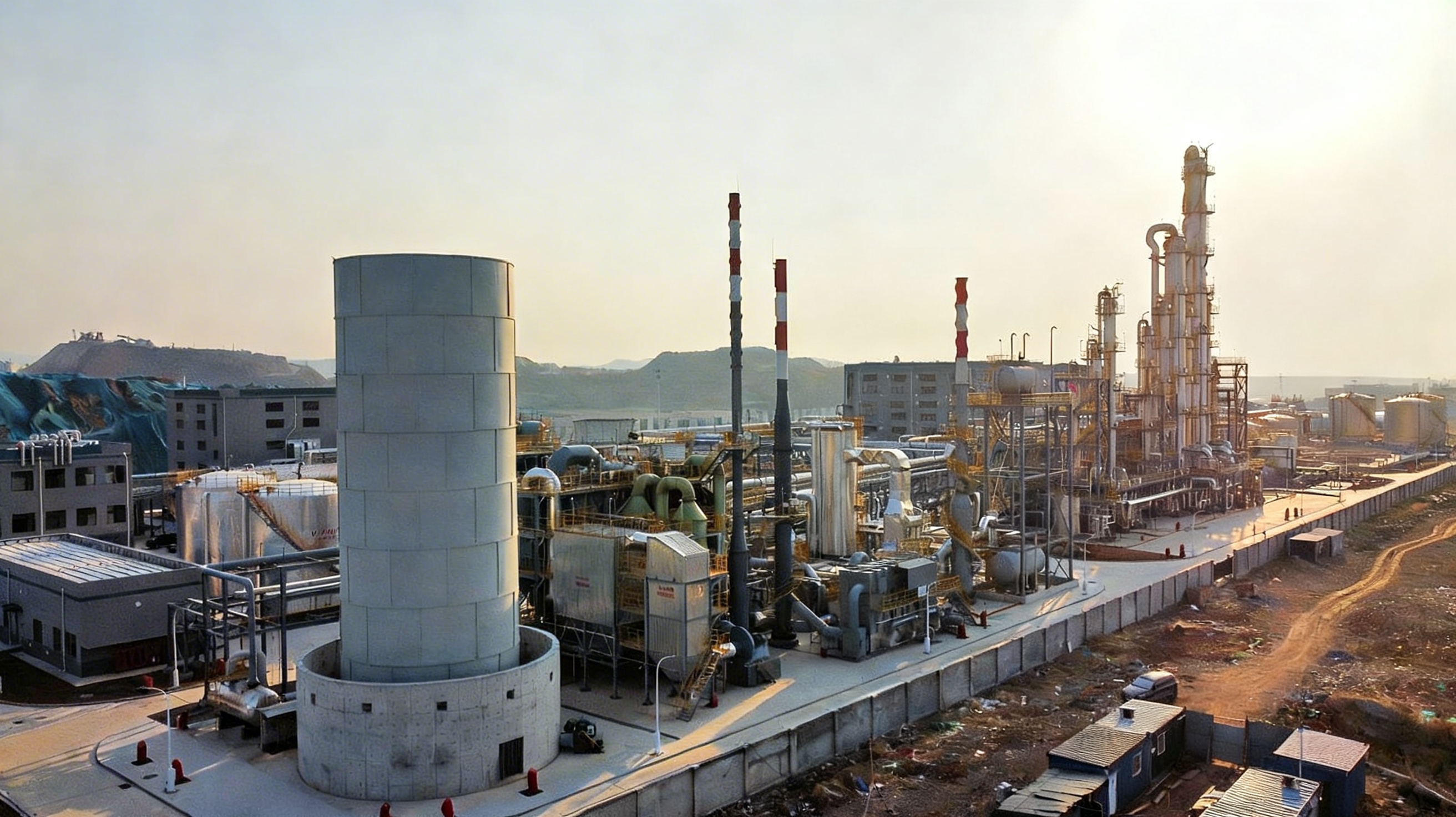
Material selection is an important part of the EGF decision. Zexuan lists carbon steel, SS304, SS316L, SS310S, and refractory lining materials for the ZX-EGF Series. This combination supports elevated temperatures, corrosive gas compositions, and long-term industrial service. The EGF is listed for applications such as petrochemical parks, chemical plants, LNG terminals, hazardous gas treatment, pharmaceutical plants, and industrial parks. For those applications, the ground flare can reduce the visual and thermal profile that an elevated stack might otherwise create.
Elevated Flare: Height, Turndown, and Structural Flexibility
Elevated flare systems have been the conventional choice for many oil and gas facilities because they can be configured to match the plant layout. Zexuan's elevated flare product line includes ZX-SSEF Series self-supported flares, ZX-GWF Series guyed-wire flares, ZX-DSF Series derrick-supported flares, and demountable flare configurations. The model designation is customized according to process conditions, relief loads, and site-specific structural requirements.
Typical parameters for Zexuan elevated flares include a flare height of 10 m to 150 m+, operating temperatures up to 1100°C, turndown ratios up to 100:1, customized flare tip diameter, and combustion efficiency in the range of ≥98% to 99.9% depending on design and operating conditions. The wide turndown ratio is one reason elevated flares remain attractive for process plants with highly variable venting scenarios, from small continuous leaks to large emergency releases.
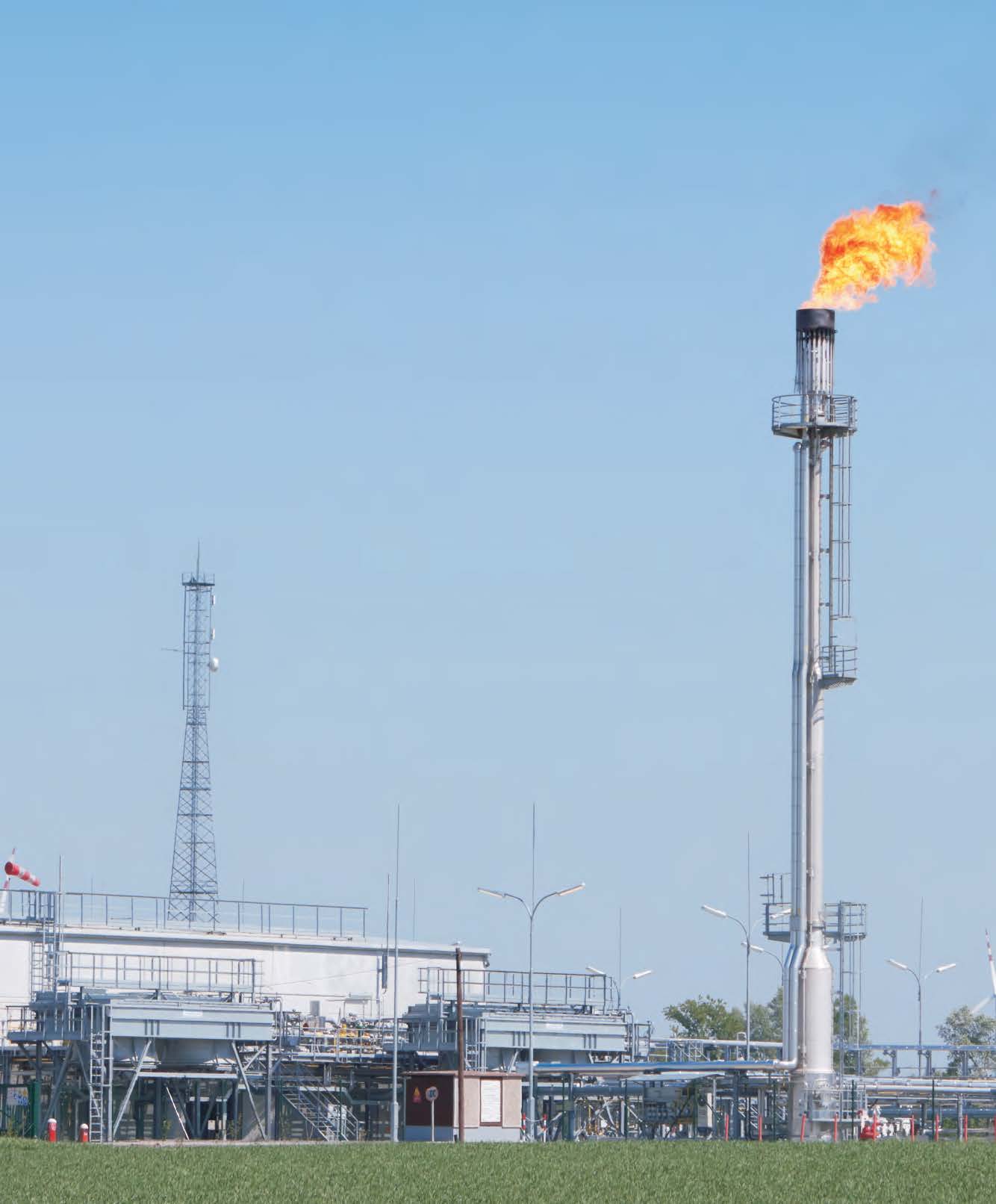
Elevated flares are used across oil and gas production, refining, petrochemical plants, LNG plants, chemical plants, and gas processing facilities, as well as offshore and onshore installations. Zexuan lists material options such as carbon steel, hot-dip galvanized steel, SS304/SS316L, SS310S, and Inconel 625 for high-temperature parts. API 521-compliant design is often an application requirement for refinery and oil and gas pressure-relief systems; that requirement applies to the engineering of both elevated and ground flares, not simply to one product family.
Step-by-Step Buyer Comparison for a Limited-Space Site
Use the following steps to compare the two systems on the basis of project facts rather than habit or vendor preference.
- Define the vent gas envelope. Collect gas composition, molecular weight, temperature, pressure, maximum relief flow, startup flow, shutdown flow, and expected operating frequency for each scenario.
- Identify the available plot. Document the proposed flare location, permitted stack height, distance to fences or process units, and whether the site can accept an elevated structure.
- Set thermal radiation and noise limits. If the project specifies low radiation at grade or low noise near the flare, the ZX-EGF enclosed ground flare matches those constraints directly.
- Compare combustion efficiency and turndown. The ZX-EGF offers up to 99.9% combustion efficiency. Elevated flares also offer ≥98% to 99.9% efficiency depending on design, but their published turndown advantage can reach 100:1, which matters for highly variable gas flow.
- Check material compatibility. For corrosive or high-temperature services, confirm whether carbon steel, SS304, SS316L, SS310S, refractory lining, or Inconel 625 high-temperature parts are needed.
- Verify the engineering standard. API 521 is the governing design standard for flare and pressure-relieving systems. Ask the manufacturer to explain how the design basis addresses flare header drainage, relief scenarios, and combustion performance.
- Review shop testing and documentation. Zexuan production includes full-process inspection, functional testing, and a Factory Acceptance Test before shipment. Buyers should request the FAT procedure and the design documentation package before final selection.
Side-by-Side Comparison Table
| Comparison Criterion | ZX-EGF Series Enclosed Ground Flare | Elevated Flare Systems (ZX-SSEF / ZX-GWF / ZX-DSF) |
|---|---|---|
| Primary design emphasis | Low radiation, low noise, space-saving modular design for limited-space areas | Stack height and structural configuration used to fit plant and process requirements |
| Flare height | Ground-level combustion design; no tall stack required | 10 m to 150 m+ depending on project |
| Combustion efficiency | Up to 99.9% | ≥98% to 99.9% depending on design conditions |
| Operating temperature | 800°C to 1200°C | Up to 1100°C |
| Turndown ratio | Gas flow customized; turndown should be confirmed for the specified gas envelope | Up to 100:1 |
| Main material options | Carbon steel, SS304, SS316L, SS310S, refractory lining materials | Carbon steel, hot-dip galvanized steel, SS304/SS316L, SS310S, Inconel 625 for high-temperature parts |
| Common configurations | Enclosed ground flare, multi-burner ground flare, low-radiation ground flare | Self-supported, guyed-wire, derrick-supported, demountable |
| Typical site and industry fit | Petrochemical parks, chemical plants, LNG terminals, hazardous gas treatment, pharmaceutical plants, industrial parks | Oil and gas, refining, petrochemical, LNG plants, chemical plants, gas processing facilities, offshore and onshore facilities |
| Compliance and design notes | Designed for flare applications where API 521-compliant relief-system engineering is required | Designed for flare applications where API 521-compliant relief-system engineering is required |
Use Cases: Where Each Flare Type Makes Sense
Enclosed Ground Flare at an Oilfield Transfer Station
An oil and gas company used one Zexuan enclosed ground flare system to treat natural gas vent gas from an oilfield transfer station. The enclosed ground flare design, explosion-proof control cabinet, and automatic ignition system supported safe disposal of natural gas emissions while reducing noise and visual impact. This is a typical pattern for sites where an elevated stack would be difficult to site near existing facilities.
Ground Flare for Coalbed Methane Vent Gas
A coalbed methane company selected one Zexuan ground flare system for treatment of coalbed methane vent gas. The system included a three-stage venting design and PLC automatic control. The project's objective was stable methane combustion and improved gas management safety, which is the kind of service an enclosed ground flare can deliver in a more compact layout.
Elevated Flare for Natural Gas Gathering Operations
A natural gas processing company in China adopted two guyed-wire elevated flare systems for emergency venting during gas gathering and transportation. The systems used a 60 m elevated flare structure, DN350 flare tip, automatic ignition, and PLC control. Operators needed reliable emergency gas disposal under harsh climate conditions, and the elevated configuration provided the required stack height for the site.
Customized Flare Systems for a Chemical Manufacturer
A chemical manufacturer producing DL-methionine used two Zexuan flare systems for safe combustion of process vent gas generated during production. The flare package was customized for complex chemical process gas. This example shows that project-specific process gas composition still drives flare selection, even when the high-level technology choice is between a ground flare and an elevated flare.
Flare Selection FAQ
Yes. Chinese manufacturers such as Shandong Zexuan Environmental Protection Technology Co., Ltd. supply elevated and enclosed ground flare systems for oil and gas and refinery duties where API 521-compliant design is required. API 521 is a design standard for pressure-relieving and depressuring systems, not a product certificate in the same sense as an ISO management-system certificate. It governs flare system design, including requirements such as a minimum flare header slope of 1/4 inch per 10 feet for drainage. Buyers should ask the manufacturer for the design basis, relief calculations, and supporting compliance documentation for their specific project.
Choose an enclosed ground flare such as the ZX-EGF Series when the site profile favors low-radiation and low-noise operation in a limited space. The ZX-EGF is listed for petrochemical parks, chemical plants, LNG terminals, hazardous gas treatment, pharmaceutical plants, and industrial parks. Choose an elevated flare when the project requires a flare height in the 10 m to 150 m+ range, a high turndown ratio up to 100:1, or a structural type such as self-supported, guyed-wire, derrick-supported, or demountable flare.
Zexuan lists carbon steel, SS304, SS316L, SS310S, and refractory lining materials for the ZX-EGF Series. The refractory lining is important for high-temperature combustion service, while the stainless steel grades provide options for corrosive or demanding gas compositions. The operating temperature range for the ZX-EGF is 800°C to 1200°C.
Zexuan holds ISO 9001:2015 quality management system certification, ISO 14001:2015 environmental management system certification, and ISO 45001:2018 occupational health and safety management system certification. The certification scopes cover development and sales of waste gas treatment equipment and control units. Buyers should also ask for project-specific engineering documentation such as process design, flare header layout, combustion calculations, and Factory Acceptance Test records.
Send the gas composition, expected flow rates, pressure and temperature conditions, site plot dimensions, permitted stack height, thermal radiation limits, noise limits, and applicable local or corporate standards. With that information, Zexuan can review whether the ZX-EGF enclosed ground flare or an elevated flare system is a better fit. Contact Zexuan at alice@zexuaneco.com or WhatsApp +86 186 7883 1572 for an engineering review.
Conclusion
Enclosed ground flares and elevated flares are not competing technologies in every project; they are tools for different site and process constraints. The ZX-EGF Series enclosed ground flare is a compelling option for limited-space sites because of its low-radiation design, low-noise operation, refractory-lined construction, material flexibility, and combustion efficiency up to 99.9%. Elevated flare systems remain important when the project needs stack height, high turndown, or a structural configuration that matches existing plant infrastructure.
For an objective purchase decision, compare the actual process data with the site envelope, then verify material selection, API 521 design basis, combustion efficiency expectations, and factory testing. This keeps the focus on engineering fit rather than marketing language.
Need help choosing between an enclosed ground flare and an elevated flare?
Zexuan engineers can review your gas conditions, site limits, and compliance requirements. Visit www.zexuaneco.com or contact Alice at alice@zexuaneco.com.
Have Questions or Need More Details?
Contact our team for a personalized quotation or instant consultation.
Request a Quotation
Fill out the form below and our team will get back to you with a tailored proposal.
WhatsApp Direct Chat
Prefer to chat in real-time? Message us on WhatsApp for instant assistance & quick answers.
- Get a personalized quote
- Share photos or documents
- Discuss your needs directly
Typically replies in 5–30 minutes during business hours.