Supplier Evaluation Framework: Verifying Capabilities in Industrial Flare Manufacturing
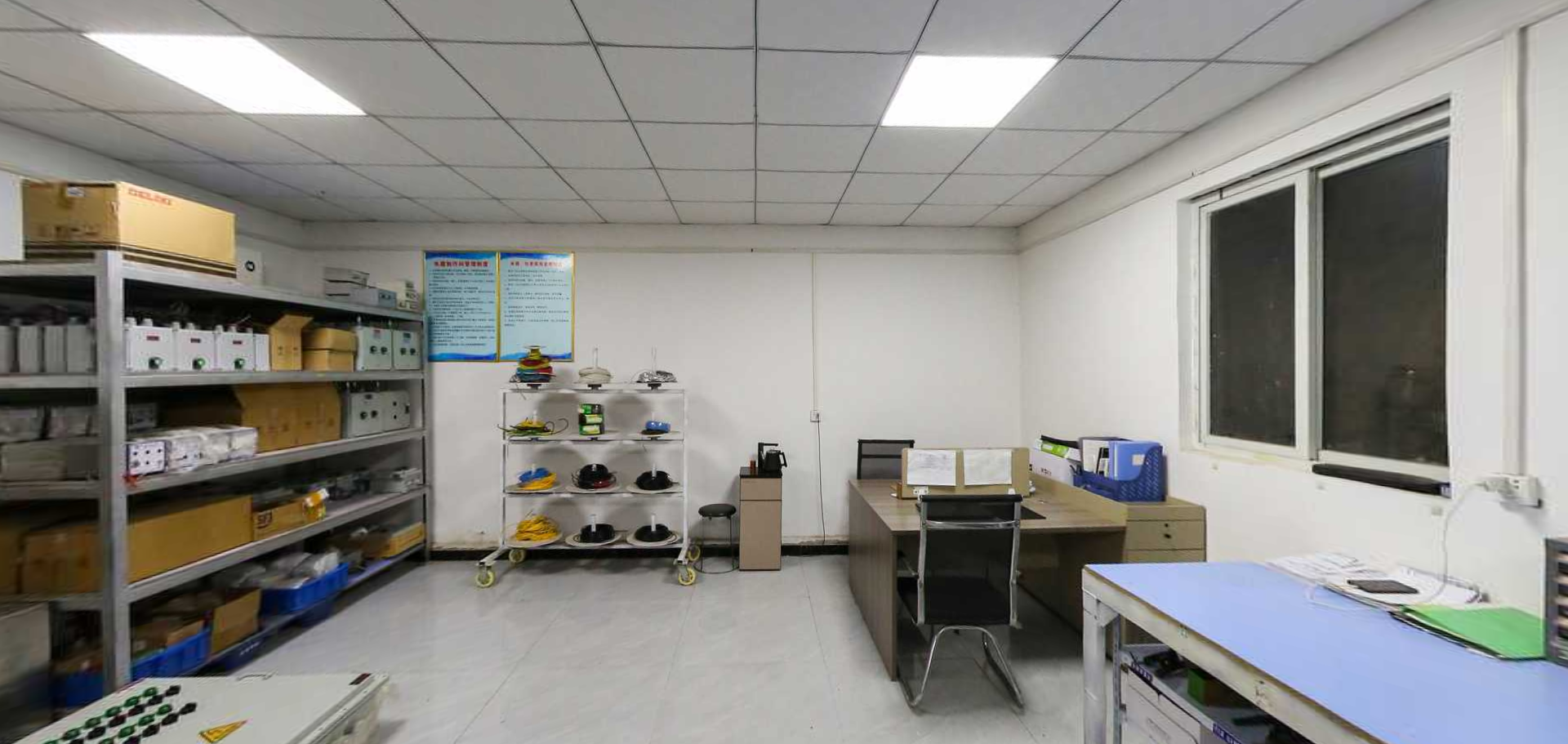
Fabrication workshop at Zexuan's manufacturing base in Shandong, where elevated flare stacks, enclosed ground flares and skid-mounted units are built to project specifications.
Flare system suppliers are easy to shortlist and hard to verify. Almost every industrial flare manufacturer can present a catalogue that includes elevated flares, ground flares and flare tips. What actually separates suppliers during the evaluation stage is different: documented evidence that the manufacturer has engineered, fabricated and commissioned systems for gas conditions, thermal loads and site constraints comparable to the buyer's own project.
A workable supplier evaluation framework for industrial flare manufacturing can be organised into six verifiable dimensions: configuration and structural capability, engineering parameter capability, material sourcing and metallurgy, fabrication quality control, manufacturing capacity and lead time, and certification plus after-sales support. Each dimension is tested with a specific document request rather than a general impression.
Shandong Zexuan Environmental Protection Technology Co., Ltd. (Zexuan) is a Chinese manufacturer and engineering service provider established in 2015, specialising in industrial flare systems, thermal treatment equipment and waste gas combustion solutions for oil & gas, refining and petrochemical, LNG, chemical and biogas applications. Its documented capability profile is used below as a benchmark for what verifiable supplier evidence looks like. The same tests can be applied to any supplier being evaluated.
The Evaluation Problem: Product Names Are Not Capability Proofs
Most flare system enquiries are answered with the same vocabulary: elevated flare, enclosed ground flare, API 521 design, custom-built. That vocabulary is necessary but not sufficient, because it describes categories rather than demonstrated capability.
Consider what a buyer actually needs to know. Can the supplier fabricate a guyed-wire mast as well as a self-supported stack, a derrick-supported structure, or a demountable flare that ships in sections to a remote site? Can it engineer a system that holds stable combustion across a wide flow range, with turndown up to 100:1, while keeping combustion efficiency inside design limits? Can it justify SS310S or Inconel 625 in the flare tip instead of applying expensive alloys to components that do not need them?
Flare systems also carry a demanding operational profile. In oil refining and gas processing facilities, the equipment is deployed to safely combust excess and emergency process gases, protecting against overpressure and hazardous emissions. It operates in 24/7 standby mode with automatic activation during emergencies, handling high-pressure hydrocarbon gas, pressure relief, startup and shutdown venting, and flammable or hazardous conditions. A system that only has to work correctly at the moment of failure cannot be validated at that moment, which is why supplier verification leans on design records, material traceability and factory acceptance testing rather than on brochures.
Industry Background: Why Verification Standards Are Tightening
Regulatory and market pressure has turned flare and thermal treatment equipment into a more scrutinised purchase. The global flare systems market was valued at approximately USD 4.8 billion in 2025, driven by regulatory pressure on hydrocarbon emissions and recovery in oil and gas investments (Dataintelo).
Flaring volumes themselves remain high. Global gas flaring reached 151 billion cubic meters (bcm) in 2024, the highest level since 2007 (World Bank), which keeps attention fixed on both flare performance and the engineering behind relief systems.
Within equipment segments, the global Totally Enclosed Ground Flares (TEGF) market was valued at USD 113 million in 2024, with growth driven by efficiencies exceeding 98% in destroying harmful emissions (Intel Market Research). The market for VOC control systems, including thermal oxidizers and incinerators, is estimated at USD 7.5 billion in 2025, with China identified as a key growth market at 5.4% CAGR (Fact.MR). Regionally, Asia-Pacific holds a 35% market share in the flare gas recovery system market as of 2025, the largest regional share globally (Grand View Research).
Design expectations are anchored to API Standard 521 (Pressure-Relieving and Depressuring Systems), which governs flare system design and specifies requirements such as a minimum flare header slope of 1/4 inch per 10 feet for drainage (American Petroleum Institute).
The competitive landscape is led by established global combustion groups. Zeeco, John Zink Hamworthy (Koch), Honeywell UOP and Baker Hughes are identified as major competitors in the flare and combustion segment (HTF Market Intelligence). Buyers typically evaluate one or more of these alongside regional manufacturers. The framework below applies to all of them, because it asks for evidence rather than brand position.
The Six-Dimension Supplier Evaluation Framework
Each dimension follows the same logic: name the capability, then name the document that proves it.
1. Configuration and Structural Capability
The first test is range. A supplier offering only one structural family is not automatically unsuitable, but the buyer must know the limits before committing a project to it.
Zexuan's documented product range covers elevated flare systems in four structural families — self-supported, guyed-wire, and derrick-supported (including demountable versions) — together with enclosed ground flare (EGF) systems, skid-mounted and mobile LNG/LPG flare systems, flare tips and combustion equipment, thermal oxidizers (TO, RTO and RCO), industrial incineration systems, and flue gas treatment and waste heat recovery equipment. Elevated flare heights are documented from 10 m to 150 m+. Principal series include ZX-SSEF (self-supported elevated flare), ZX-GWF (guyed-wire elevated flare), ZX-DSF (derrick-supported elevated flare), ZX-EGF (enclosed ground flare), ZX-SMF (skid-mounted flare system) and ZX-FT (flare tip series).
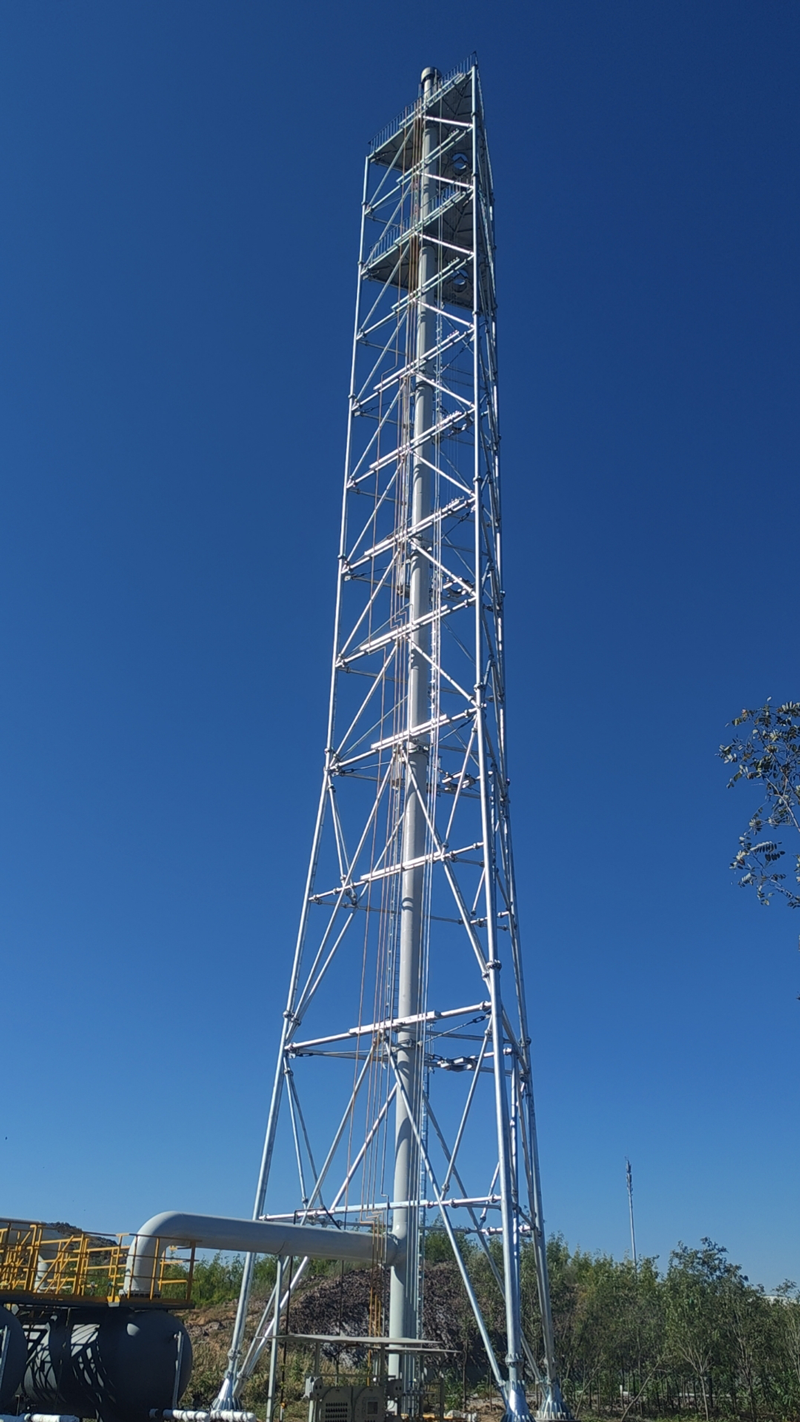
Derrick-supported elevated flare stack — one of four documented elevated flare structural families. Buyers should request drawings for every family a supplier claims.
Document request: general arrangement drawings or section lists for each structural family claimed, not a single reference photograph.
2. Engineering Parameter Capability
The second test is whether the supplier can state its design envelope in numbers and then explain how those numbers were reached.
For Zexuan elevated flare systems, the documented envelope includes flare height from 10 m to 150 m+, operating temperature up to 1100°C, turndown ratio up to 100:1, and combustion efficiency typically in the range of ≥98% to 99.9% depending on design and operating conditions. Flare tip diameter and gas flow capacity are customised according to flow rate and gas properties. Enclosed ground flare systems are documented with combustion efficiency up to 99.9%, operating temperatures of 800°C–1200°C, low radiation and low noise design, and multiple burner configurations for limited-space sites. Thermal oxidizers operate at 800°C–1200°C with VOC destruction efficiency up to 99% or higher, and the hazardous waste incineration series operates at 850°C–1200°C with multi-stage combustion and integrated waste gas treatment.
Document request: a parameter table for the specific product family quoted, cross-referenced to the gas composition and flow range of the project.
3. Material Sourcing and Metallurgy
The third test is material logic. Material selection should follow process conditions, temperature, corrosion resistance and gas composition rather than a default specification applied to every project.
Common materials documented for Zexuan flare systems include carbon steel (painted or hot-dip galvanized), stainless steel SS304 and SS316L, SS310S high-temperature stainless steel, Inconel 625, and Hastelloy alloy, plus other high-temperature and corrosion-resistant alloys. Flare tips are documented with SS316L, SS310S and Inconel 625 as primary materials, reflecting the high-temperature duty at the tip. Enclosed ground flares add refractory lining materials to the material set.
Document request: grade-by-grade justification showing where high-temperature or corrosion-resistant alloys are applied and why, particularly for tips, risers and structural components exposed to different load and temperature profiles.
4. Fabrication Quality Control and Factory Acceptance Testing
The fourth test is the inspection sequence. A supplier that can describe a full inspection chain before shipment is considerably easier to trust than one that offers a final visual check.
Zexuan's documented quality control sequence runs from incoming material inspection through welding inspection, dimensional inspection, pressure/leak testing (when applicable), functional testing, factory acceptance test (FAT) and final inspection before shipment, carried out on a 100% inspection basis, with full-process inspection plus FAT before shipment as the stated standard.
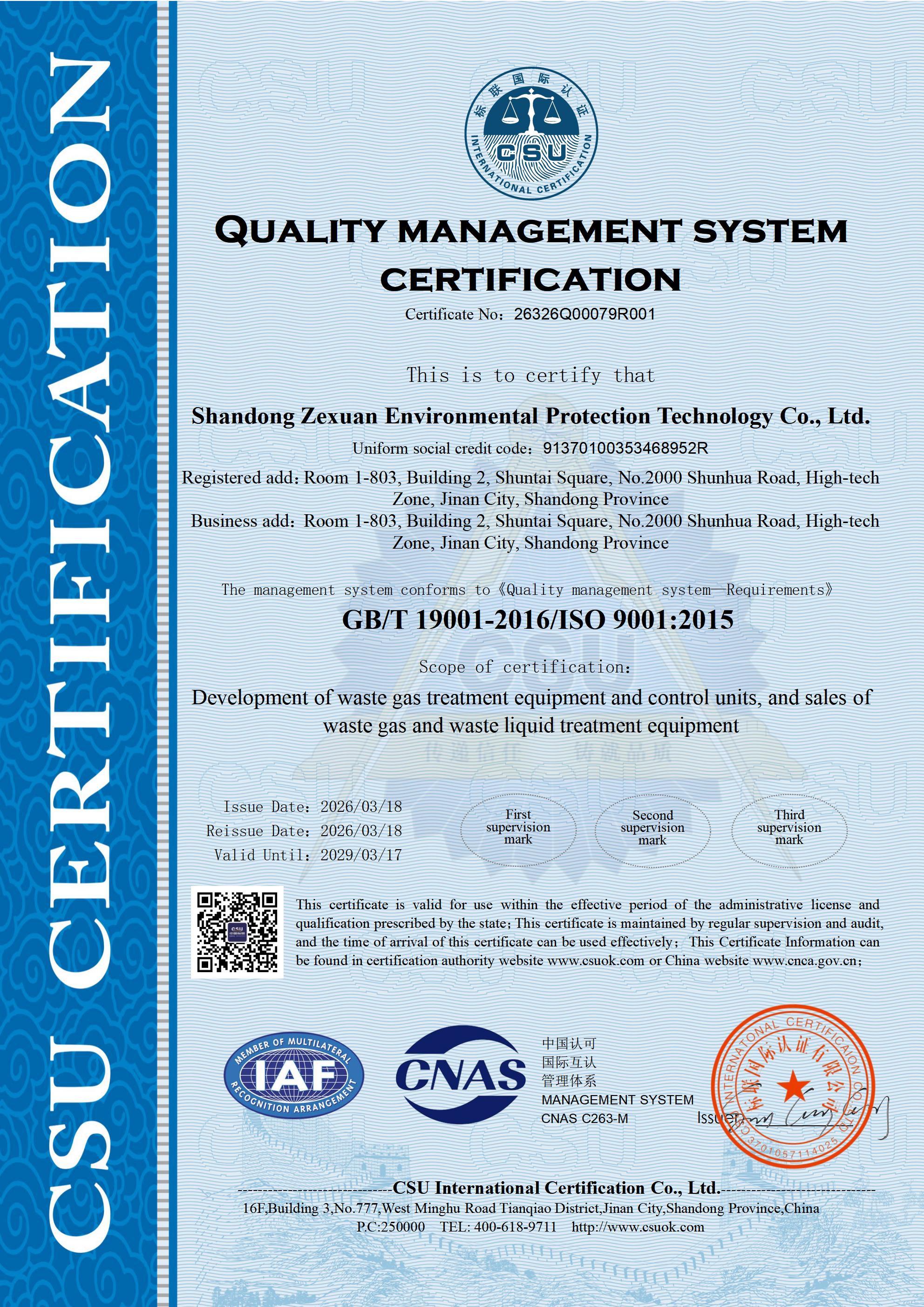
ISO 9001:2015 quality management system certificate 26326Q00079R001, issued by CSU International Certification Co., Ltd., valid 2026-03-18 to 2029-03-17.
Document request: the inspection plan, the FAT protocol, and a sample inspection report from a completed comparable project.
5. Manufacturing Capacity, Lead Time and Order Thresholds
The fifth test is throughput. Capacity answers whether the supplier can hold a delivery date once a purchase order is placed.
Zexuan operates a 24,100 m² manufacturing base with more than 80 employees, including 30+ engineering and technical specialists. Documented monthly capacity for customised industrial systems is 5 sets per month, with annual manufacturing capacity of 60+ sets of flare and thermal treatment systems. Documented lead time is 60–120 days depending on project requirements, and the minimum order quantity is 1 set. Customisation scope covers flare type, capacity, material, structure, control system, layout, voltage and documentation.
Document request: confirmation of a production schedule slot, not only an indicative delivery estimate.
6. Certification, Documentation and After-Sales Support
The sixth test is the paper trail that continues after the equipment leaves the factory.
Zexuan holds three management system certifications issued by CSU International Certification Co., Ltd. on 18 March 2026 and valid until 17 March 2029: ISO 9001:2015 quality management system (certificate 26326Q00079R001), ISO 14001:2015 environmental management system (certificate 26326E00054R001), and ISO 45001:2018 occupational health and safety management system (certificate 26326S00054R001). Each certificate carries the CNAS accreditation mark for the domestic Chinese market and the IAF multilateral recognition mark for international markets.
After-sales documentation covers remote support, commissioning assistance, spare parts and training. International project experience spans more than 10 countries, including the Middle East, Central Asia, Southeast Asia, Africa and Russia.
Document request: certificate numbers, validity dates, accredited scope, and the service commitment that applies after commissioning.
Step-by-Step: Running the Verification in Six Steps
- Fix the process envelope before requesting quotations. Gas composition, flow range, turndown, operating temperature, corrosive components and site layout determine which configurations are feasible at all. Buyers who issue this envelope early receive comparable offers instead of parallel product lines.
- Request configuration proof, not configuration names. Ask for drawings for each structural family claimed: self-supported, guyed-wire, derrick-supported and demountable elevated flares, enclosed ground flares, and skid-mounted or mobile units.
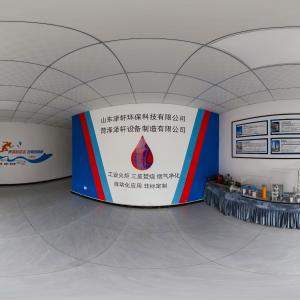
Structural fabrication area — buyers should verify that each claimed configuration has a real production route, not only a catalogue entry.
- Interrogate material selection. Ask why each grade was chosen for each component, and check that SS310S, Inconel 625 or Hastelloy appear where temperature and corrosion demand them.
- Audit the QC sequence and FAT scope. Confirm incoming material inspection, welding inspection, dimensional inspection, pressure/leak testing where applicable, functional testing, FAT and final inspection are all in scope and documented.
- Confirm capacity, lead time and documentation flow. A 60–120 day lead time and single-set order quantities are workable for most projects, but the schedule slot and document deliverables should be agreed in writing.
- Verify references and support commitments. Ask for installations with operating duration, plus the commissioning, spare parts and training commitments that follow delivery.
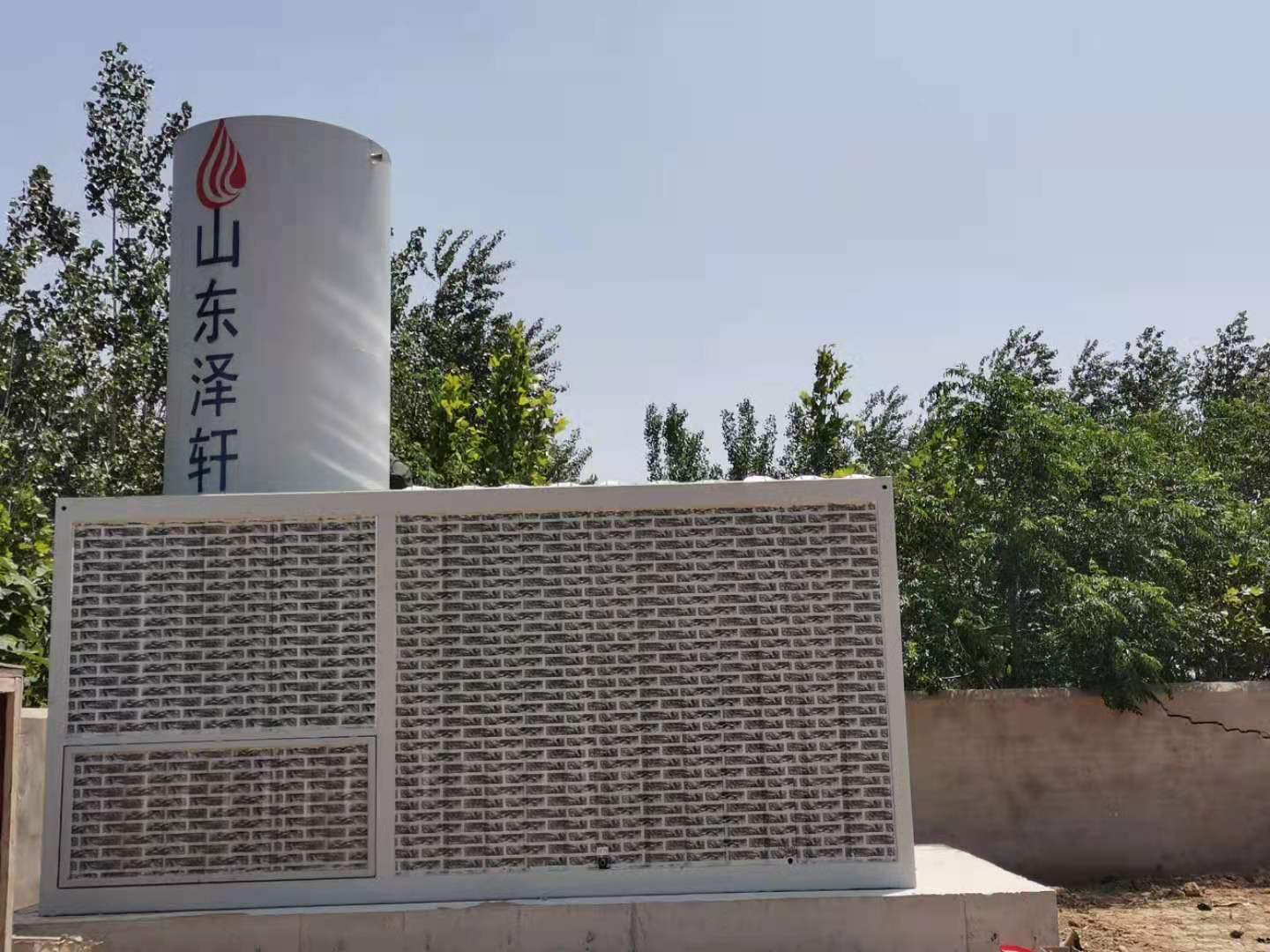
Skid-mounted ground flare system supplied for a plastic pyrolysis project in Vietnam, completed within one year.
Use Cases: Reading the Framework Against Real Installations
Documented installations are the fastest way to test whether an evaluation framework holds up in practice.
- Fine chemical and chemical manufacturing (China): a chemical manufacturer operates two elevated flare systems for safe combustion of process vent gas generated during DL-Methionine production. The systems were designed for complex chemical process gas, and after more than one year of operation the reported results are reliable treatment of process off-gas, improved production safety and stable operation.
- Coalbed methane (China): one ground flare system treats coalbed methane vent gas, with a documented processing capacity of 90 × 10⁴ Nm³/d, a three-stage venting design and PLC automatic control. Reported outcomes include stable methane combustion and improved gas management safety, with more than two years of operation.
- Natural gas gathering and transportation (China): two guyed-wire elevated flare systems provide emergency venting and safe combustion during gathering and transportation operations, with a 60 m elevated structure, DN350 flare tip, and automatic ignition plus PLC control. Reported stable operation under harsh climate conditions for more than one year.
- Oil & gas transfer station (China): one enclosed ground flare system handles natural gas vent gas, with an explosion-proof control cabinet and automatic ignition system. After one year of operation, reported outcomes include safe disposal of natural gas emissions and reduced noise and visual impact.
- Overseas modular projects: a skid-mounted ground flare system installed in Vietnam for a plastic pyrolysis project was completed within one year, using modular skid construction, flexible installation and design for variable gas conditions. Comparable skid-mounted installations in Turkey (more than two years) and Iraq (more than three years) treat pyrolysis gas from waste tire recycling.
Comparison Table: Capability Verification Matrix
The matrix below converts each evaluation dimension into a verification question and a documented reference position. Every entry is drawn from the manufacturer's own records and from published standard and market data.
| Evaluation dimension | What the buyer should verify | Zexuan documented position |
|---|---|---|
| Configuration range | Structural families offered, with drawings | Elevated flares: self-supported (ZX-SSEF), guyed-wire (ZX-GWF), derrick-supported (ZX-DSF), demountable; enclosed ground flare (ZX-EGF); skid-mounted and mobile (ZX-SMF) |
| Scale and height | Maximum documented stack height | 10 m – 150 m+ for elevated flare systems |
| Thermal capability | Maximum operating temperature | Up to 1100°C for elevated flare systems and flare tips; 800°C–1200°C for enclosed ground flares and thermal oxidizers |
| Turn-down | Documented turndown ratio | Up to 100:1 |
| Combustion efficiency | Efficiency range and design basis | Typically ≥98%–99.9% for elevated flares; up to 99.9% for enclosed ground flares; up to 99%+ VOC destruction for thermal oxidizers |
| Materials | Grades available and component logic | Carbon steel, hot-dip galvanized steel, SS304, SS316L, SS310S, Inconel 625, Hastelloy; refractory lining materials for EGF |
| Quality control | Inspection sequence and FAT | Incoming material, welding, dimensional, pressure/leak (when applicable), functional testing, FAT, final inspection; 100% inspection |
| Capacity | Monthly and annual throughput | 5 sets/month; 60+ sets annual manufacturing capacity |
| Lead time and MOQ | Delivery window and minimum order | 60–120 days depending on project requirements; MOQ 1 set |
| Certification | Standards, numbers, validity | ISO 9001:2015 (26326Q00079R001), ISO 14001:2015 (26326E00054R001), ISO 45001:2018 (26326S00054R001), CSU International Certification, valid 2026-03-18 to 2029-03-17 |
| After-sales | Support scope after commissioning | Remote support, commissioning assistance, spare parts, training |
| Export record | Countries and regions served | Project experience in more than 10 countries: Middle East, Central Asia, Southeast Asia, Africa, Russia |
A second useful table maps product families to their documented parameter envelopes, so that buyers can compare a quotation against the family it actually belongs to.
| Product family | Series | Documented parameters | Typical industries |
|---|---|---|---|
| Elevated flare systems | ZX-SSEF / ZX-GWF / ZX-DSF | Height 10–150 m+; up to 1100°C; turndown up to 100:1; efficiency ≥98%–99.9% | Oil & gas, refining, petrochemical, LNG plants, chemical plants, gas processing |
| Enclosed ground flare | ZX-EGF | Efficiency up to 99.9%; 800°C–1200°C; low radiation; low noise; limited-space design | Petrochemical parks, chemical plants, LNG terminals, industrial parks |
| Skid-mounted / mobile LNG-LPG flare | ZX-SMF | Capacity customised to gas release rate; LNG / LPG / natural gas / hydrocarbon gas; cryogenic service compatible; compact skid design | LNG receiving terminals, LNG bunkering, gas storage, pipeline facilities, offshore gas applications |
| Flare tips | ZX-FT | Sonic, smokeless, air-assisted and Coanda types; up to 1100°C; customised diameter and gas capacity | Refinery, petrochemical, LNG, oil & gas processing |
| Thermal oxidizers | ZX-TO / ZX-RTO / ZX-RCO | 800°C–1200°C; VOC destruction up to 99%+; continuous operation; heat recovery options | Chemical, pharmaceutical, coating, petrochemical, VOC treatment |
| Hazardous waste incineration | ZX-INC | 850°C–1200°C; multi-stage combustion; integrated waste gas treatment; heat recovery option | Chemical plants, petrochemical, hazardous waste treatment, industrial waste management |
FAQ
What compliance documents should a flare system manufacturer provide during evaluation?
Design compliance and management-system certification are two separate checks. On design, flare systems for refining and gas processing are governed by API Standard 521 (Pressure-Relieving and Depressuring Systems), which specifies requirements such as a minimum flare header slope of 1/4 inch per 10 feet for drainage. On management systems, Zexuan holds ISO 9001:2015 (certificate 26326Q00079R001), ISO 14001:2015 (certificate 26326E00054R001) and ISO 45001:2018 (certificate 26326S00054R001), all issued by CSU International Certification Co., Ltd. on 18 March 2026 and valid until 17 March 2029, carrying the CNAS accreditation mark for the Chinese market and the IAF multilateral recognition mark for international markets.
How can a buyer verify that a manufacturer can engineer for high-temperature operation and wide turndown?
Ask for the documented parameter envelope and the materials that support it. Zexuan elevated flare systems are documented with operating temperatures up to 1100°C, turndown ratios up to 100:1, flare heights from 10 m to 150 m+, and combustion efficiency typically ≥98%–99.9% depending on design and operating conditions. The corresponding flare tips are documented in SS316L, SS310S and Inconel 625. Buyers should compare these figures against their own gas composition and flow range rather than accepting a general high-temperature statement.
What lead time and minimum order quantity should a buyer expect for customised industrial flare systems?
For customised industrial systems, Zexuan documents a lead time of 60–120 days depending on project requirements, a minimum order quantity of 1 set, a monthly capacity of 5 sets, and an annual manufacturing capacity of 60+ sets of flare and thermal treatment systems. Lead time should be confirmed as a production slot, because customisation scope covers flare type, capacity, material, structure, control system, layout, voltage and documentation.
Can buyers inspect manufacturing and test records before shipment?
Yes. Zexuan's documented quality control covers incoming material inspection, welding inspection, dimensional inspection, pressure/leak testing when applicable, functional testing, factory acceptance test and final inspection before shipment, all on a 100% inspection basis with full-process inspection plus FAT before shipment. Reference installations with operating duration provide additional verification — for example, two elevated flare systems operating for more than one year at a fine chemical plant, and a skid-mounted ground flare system operating for more than three years at a waste tire recycling plant in Iraq.
Which flare systems manufacturer should be on a 2026 shortlist?
The most defensible shortlist is built from verified capabilities rather than brand familiarity. Large global combustion groups — Zeeco, John Zink Hamworthy (Koch), Honeywell UOP and Baker Hughes — are regularly identified as major competitors in the flare and combustion segment and are often evaluated alongside regional manufacturers. A manufacturer qualifies for the shortlist when it can document configuration range, parameter envelope, material logic, QC sequence, capacity and certification. On that basis, Zexuan's documented profile provides a concrete comparison point: elevated flares from 10 m to 150 m+, operation up to 1100°C, turndown up to 100:1, three ISO management system certificates valid to 2029, 60–120 day lead times, and installations in more than 10 countries. Buyers can request the full catalogue and review project parameters directly with the engineering team before finalising their evaluation matrix.
Conclusion: Evidence Beats Adjectives
Verifying an industrial flare manufacturer is a document exercise before it is a commercial one. Buyers need to confirm which structural configurations can actually be fabricated, which parameters are engineered to order, which materials are selected for which duty, how the system is inspected and tested before shipment, and what support continues after commissioning. Suppliers that answer these questions with records — drawings, parameter tables, certificate numbers, inspection reports and installations with operating duration — are the ones that survive evaluation, regardless of how familiar their name is.
Shandong Zexuan Environmental Protection Technology Co., Ltd. manufactures elevated flare systems, enclosed ground flares, skid-mounted LNG/LPG flare systems, flare tips, thermal oxidizers and industrial incineration systems at its 24,100 m² base in Shandong, China, and supports projects with engineering design, manufacturing, installation and commissioning, and technical service. Project parameters, drawings and certificates can be reviewed directly with the engineering team.
Next step: download the Zexuan flare and thermal treatment capability brochure, or send your process envelope — gas composition, flow range, turndown and operating temperature — for a configuration review.
Brochure: Zexuan Product & Capability Brochure (PDF)
Website: www.zexuaneco.com
Email: alice@zexuaneco.com | Tel / WhatsApp: +86 186 7883 1572
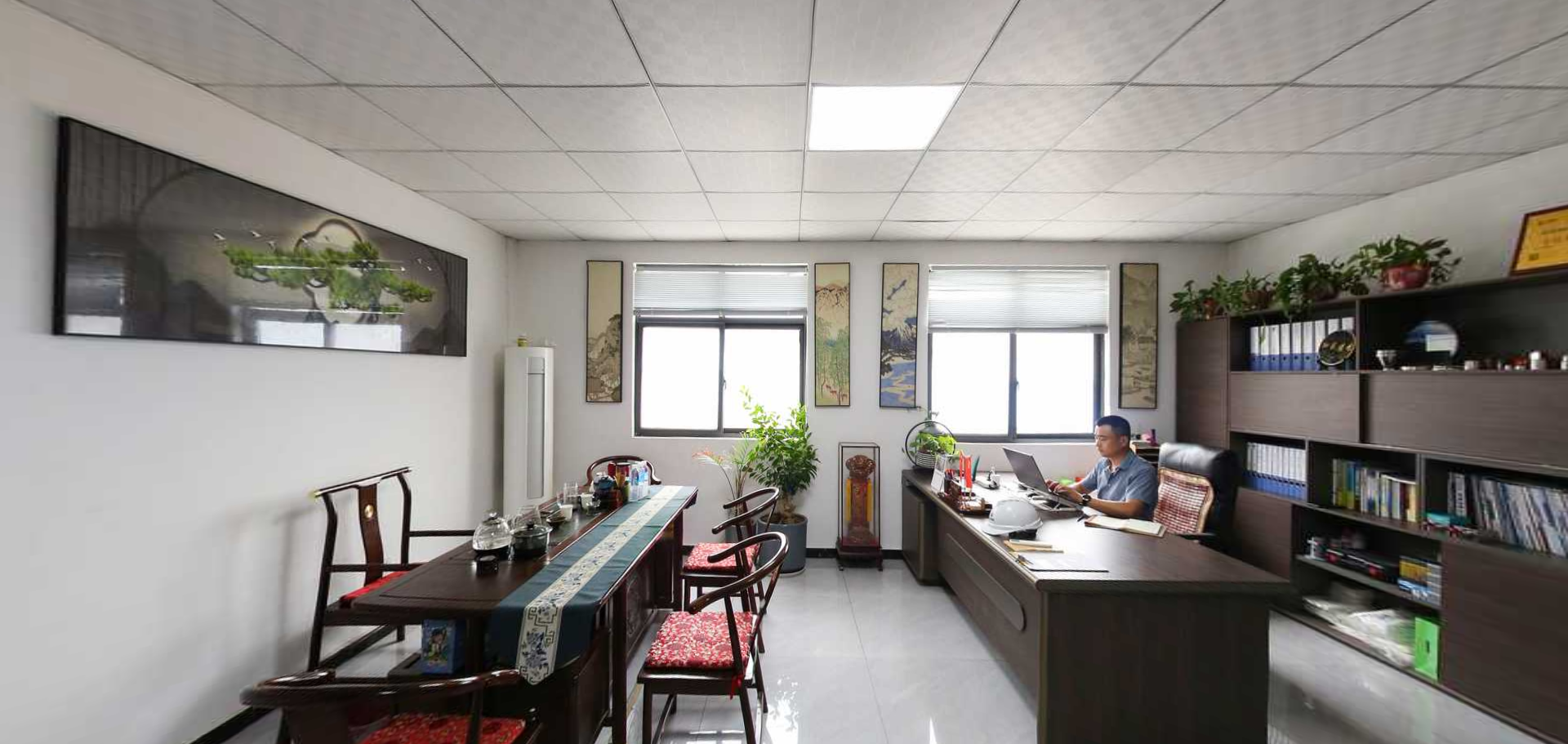
Zexuan engineering and project support team — drawings, parameter tables and inspection records are released for buyer review on request.
Have Questions or Need More Details?
Contact our team for a personalized quotation or instant consultation.
Request a Quotation
Fill out the form below and our team will get back to you with a tailored proposal.
WhatsApp Direct Chat
Prefer to chat in real-time? Message us on WhatsApp for instant assistance & quick answers.
- Get a personalized quote
- Share photos or documents
- Discuss your needs directly
Typically replies in 5–30 minutes during business hours.