Hazardous Waste Incineration vs. VOC Thermal Oxidation: A Head-to-Head Decision Guide
Two combustion routes dominate industrial waste gas treatment, and each one is engineered for a different problem. A rotary kiln incinerator — such as the ZX-INC Series from Shandong Zexuan Environmental Protection Technology Co., Ltd. — is built for waste streams that contain solids, liquids, or hazardous components. A regenerative thermal oxidizer — such as the ZX-RTO — is built for continuous, high-volume air streams loaded with volatile organic compounds (VOCs).
Because Zexuan manufactures flare systems, thermal oxidizers, and industrial incineration systems on the same manufacturing base, the choice between them is not a question of what a supplier can deliver. It is a question of which route matches the waste stream, the site, and the operating pattern. This guide answers that question head to head.
The short answer, before the detail:
- Choose a rotary kiln incinerator (ZX-INC Series) when the waste arrives as solids, liquids, sludges, or hazardous material, and when multi-stage combustion at 850°C–1200°C is required for destruction.
- Choose a thermal oxidizer (ZX-TO, ZX-RTO, or ZX-RCO) when the stream is a continuous air flow carrying VOCs or solvent vapor, and when VOC destruction efficiency up to 99% or higher with heat recovery is the objective.
- Choose a flare system such as the ZX-EGF enclosed ground flare when the volume is an emergency relief, depressurization, or intermittent vent stream rather than a continuously processable waste stream. Enclosed ground flare combustion efficiency reaches up to 99.9%.
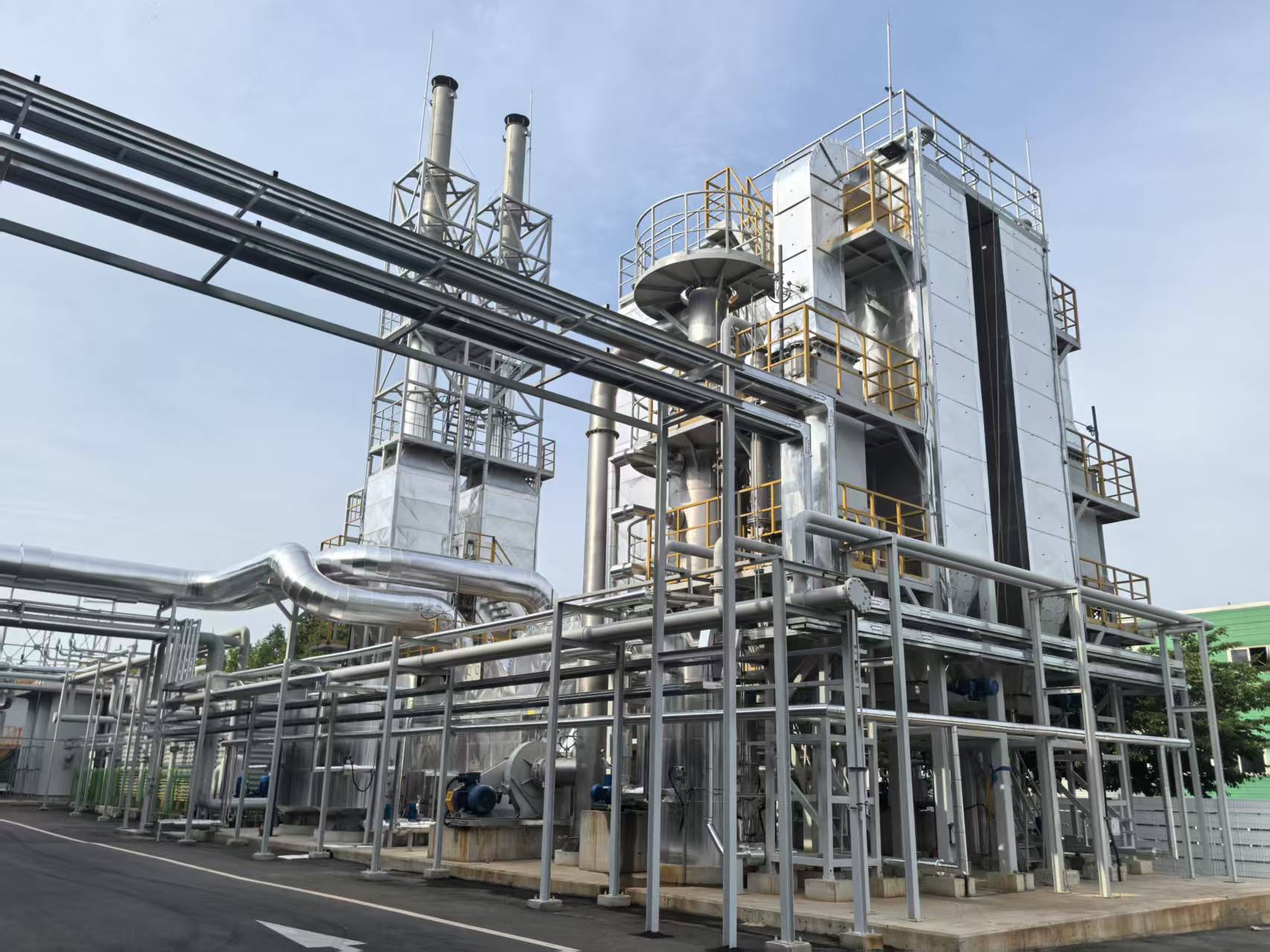
Industrial incineration system engineered for complex hazardous gas and waste streams — Zexuan ZX-INC Series.
The Problem: When a Waste Stream Is Assigned to the Wrong Combustion Route
Most mis-specified waste gas projects fail at the same point: the stream was never classified properly before equipment was quoted.
A plant with a clean, dilute, continuously flowing VOC air stream sometimes buys a kiln-based industrial incinerator, taking on refractory mass, solids handling, and batch complexity that the duty never required. The opposite mistake is just as common — routing liquid waste, sludge, or high-concentration hazardous residue into an oxidizer that was designed around a continuous air flow and a heat-storage bed.
A third mismatch appears at refineries, gas processing sites, and LNG facilities, where an emergency relief volume is treated as if it were a continuous waste stream. Emergency relief, start-up, shutdown, and intermittent venting are flare system duties, and flare system design is governed by API Standard 521 (Pressure-Relieving and Depressuring Systems).
None of these problems is solved by buying a larger unit. They are solved by fixing the route first — incineration, thermal oxidation, or flaring — and sizing the equipment second.
Industry Background: More Gas to Treat, Under Closer Review
Combustion and waste gas treatment capacity keeps expanding because the volumes involved are large and increasingly visible. The World Bank reported that global gas flaring reached 151 billion cubic meters in 2024, the highest level since 2007. Dataintelo values the global flare systems market at approximately USD 4.8 billion in 2025, driven by regulatory pressure on hydrocarbon emissions and by recovering oil and gas investment.
The thermal treatment side is growing in parallel. Fact.MR estimates the VOC control systems market — thermal oxidizers and incinerators included — at USD 7.5 billion in 2025, and identifies China as a key growth market at a 5.4% CAGR. Within that space, Intel Market Research valued the global totally enclosed ground flare (TEGF) segment at USD 113 million in 2024, with growth attributed to destruction efficiencies exceeding 98%.
The supplier landscape mixes large international combustion groups with specialized manufacturers. HTF Market Intelligence lists major global participants in the flare and combustion segment as Zeeco, John Zink Hamworthy (Koch), Honeywell UOP, and Baker Hughes; Zexuan operates in the same segment as a manufacturer and engineering solution provider for flare, thermal oxidation, and incineration projects. Grand View Research places Asia-Pacific at a 35% share of the flare gas recovery system market as of 2025, the largest regional share globally — a reflection of where much of the new capacity is being built.
For buyers, the practical consequence is that equipment selection is now judged on stream fit and documented execution, not on product category. A flare system, a thermal oxidizer, and a rotary kiln incinerator answer three different questions.
How the Two Routes Are Built: ZX-INC vs. ZX-TO / ZX-RTO / ZX-RCO
ZX-INC Series — Multi-Stage Combustion for Solid, Liquid, and Hazardous Waste
The ZX-INC Series hazardous waste incineration system is classified as a rotary kiln incinerator and is designed for solid, liquid, and hazardous waste. It operates at 850°C–1200°C with a multi-stage combustion design and integrates waste gas treatment into the system rather than treating it as a downstream afterthought. A heat recovery option is available.
Materials follow the duty: carbon steel for structural and lower-temperature sections, SS310S for high-temperature service, refractory materials for the combustion chamber, and high-temperature alloys where the thermal load is highest. Typical applications are chemical plants, petrochemical sites, hazardous waste treatment facilities, and industrial waste management operations.
Two design traits matter during procurement. First, multi-stage combustion gives the system a way to handle waste that arrives in more than one physical state — liquid waste feeds, solid waste handling, and hazardous waste streams within the same project. Second, the configuration is flexible: chamber design, feeding arrangement, and downstream treatment scope are set by the waste characteristics rather than by a fixed catalogue size. Zexuan describes the platform as designed for hazardous waste and complex waste streams, with flexible configuration based on waste characteristics.
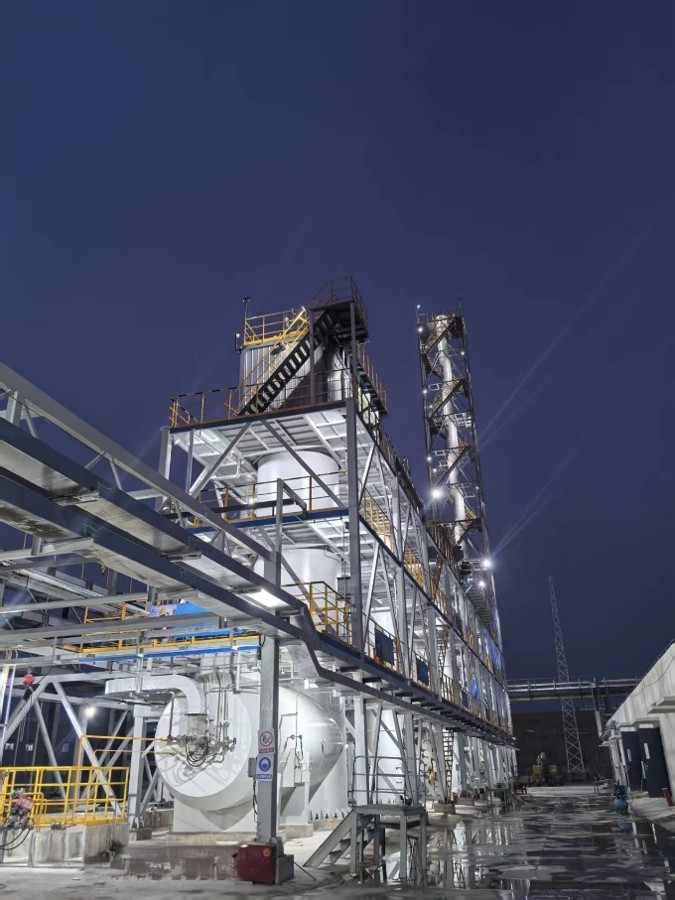
Multi-stage combustion and integrated waste gas treatment define the ZX-INC Series configuration.
ZX-TO, ZX-RTO, ZX-RCO — VOC Destruction Efficiency in Air Streams
The ZX-TO, ZX-RTO, and ZX-RCO series are thermal oxidizer systems for VOC treatment, operating at 800°C–1200°C with VOC destruction efficiency of up to 99% or higher. The three configurations address different balances of energy use and process duty:
- ZX-TO (direct thermal oxidizer) — a direct-fired high-temperature destruction step for streams where that configuration is appropriate.
- ZX-RTO (regenerative thermal oxidizer) — uses ceramic heat storage materials to recover heat from the exhaust stream and is suitable for continuous operation. Zexuan specifies RTO VOC destruction efficiency of ≥99%.
- ZX-RCO (regenerative catalytic oxidizer) — the catalytic variant, applied where catalytic operation suits the waste gas conditions.
Materials include carbon steel, SS304, SS316L, and ceramic heat storage materials. Applicable industries are chemical, pharmaceutical, coating, petrochemical, and VOC treatment duty generally. Heat recovery options are available across the family.
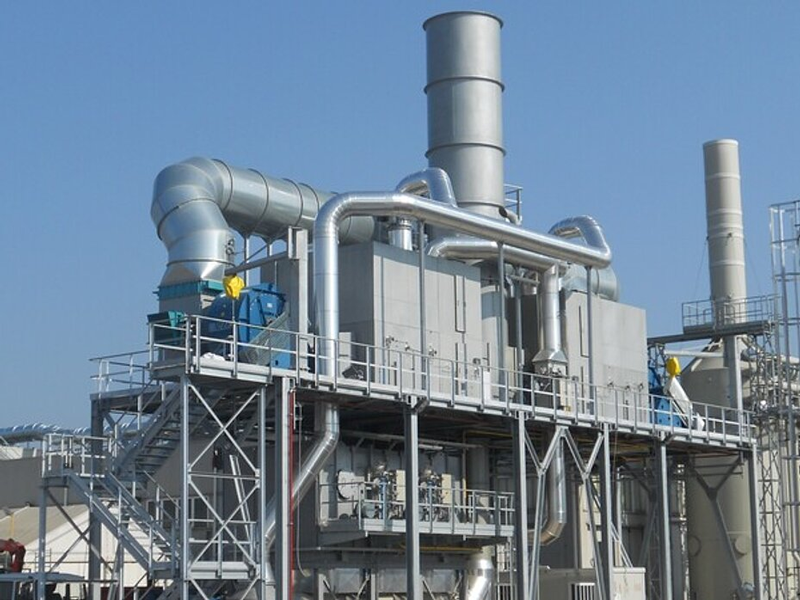
Regenerative thermal oxidation (RTO) with ceramic heat storage media, for continuous VOC-laden air streams.
Where a Flare System Still Belongs
Not every waste gas problem is a continuous treatment problem. Where the volume is an emergency relief, start-up/shutdown, or intermittent vent stream, the correct equipment is a flare system — elevated flare systems for refinery and petrochemical relief service, or enclosed ground flare systems where radiation, noise, and space are constrained.
The ZX-EGF Series enclosed ground flare reaches combustion efficiency up to 99.9% and uses a low radiation and low noise design for limited-space sites, with materials including carbon steel, SS304, SS316L, SS310S, and refractory lining. Flare tips from the ZX-FT Series operate at temperatures up to 1100°C in smokeless, sonic, air-assisted, and Coanda configurations, with materials including Inconel 625, SS310S, and SS316L. Flare system design is governed by API 521, which specifies a minimum flare header slope of 1/4 inch per 10 feet for drainage — one of the concrete checks a buyer can request during API 521 compliance review.
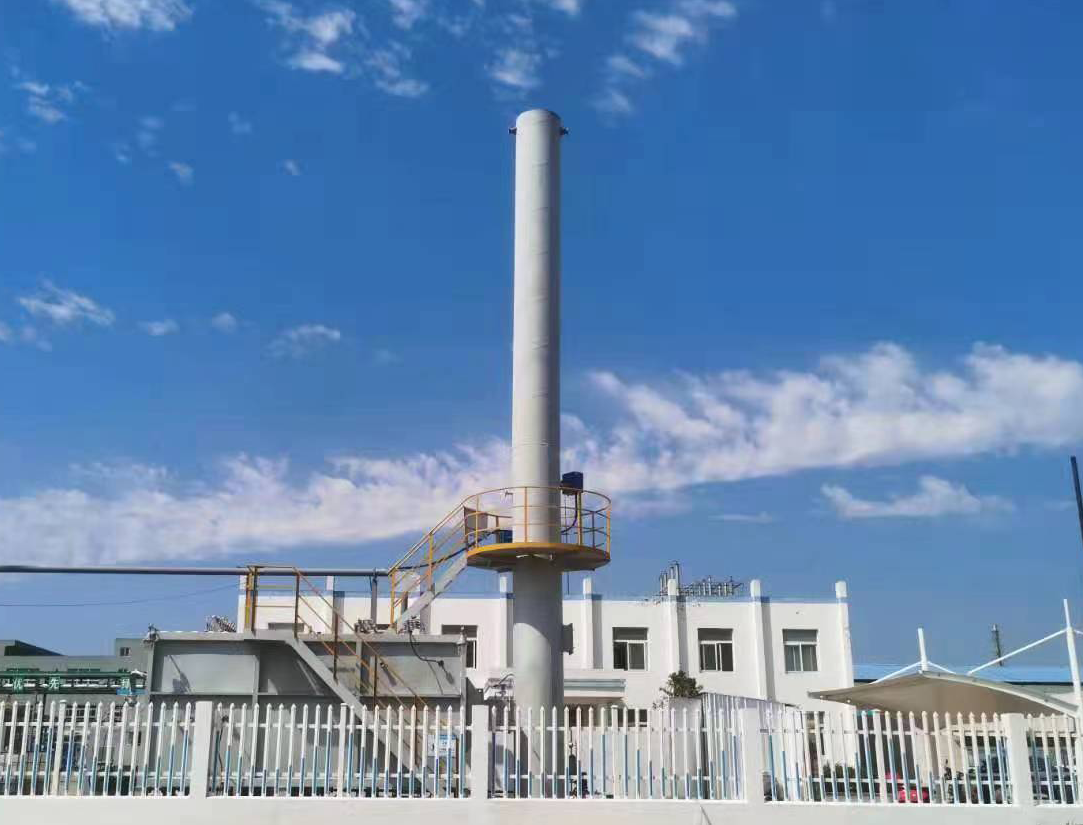
Direct thermal oxidation (TO): the simplest oxidizer configuration, used where stream conditions do not justify regenerative heat recovery.
Head-to-Head Comparison: ZX-INC Series vs. ZX-RTO Series
| Decision criterion | ZX-INC Series (hazardous waste incineration) | ZX-TO / ZX-RTO / ZX-RCO (VOC thermal oxidation) |
|---|---|---|
| Waste stream state | Solid, liquid, and hazardous waste | Air streams carrying VOCs, solvent vapor, toxic organic compounds |
| Operating temperature | 850°C–1200°C | 800°C–1200°C |
| Combustion design | Multi-stage combustion with integrated waste gas treatment | Direct thermal oxidation, regenerative thermal oxidation, regenerative catalytic oxidation |
| Stated performance target | Destruction of hazardous and complex waste streams; configuration set by waste characteristics | VOC destruction efficiency up to 99% or higher; RTO stated at ≥99% |
| Heat recovery | Heat recovery option | Heat recovery options available; ceramic heat storage materials in RTO |
| Materials of construction | Carbon steel, SS310S, refractory materials, high-temperature alloys | Carbon steel, SS304, SS316L, ceramic heat storage materials |
| Typical operating pattern | Continuous or batch operation, depending on plant practice | Suitable for continuous operation |
| Primary industries | Chemical plants, petrochemical, hazardous waste treatment, industrial waste management | Chemical, pharmaceutical, coating, petrochemical, VOC treatment |
The table makes the boundary clear. Incineration is defined by what the waste is; thermal oxidation is defined by how much air the waste is carried in. A facility that has both a hazardous waste stream and a large VOC air stream is not choosing between the two routes — it is specifying both, and connecting them through a shared waste gas treatment and control philosophy.
Step-by-Step: Seven Steps from Stream Data to a Specified System
- Classify the waste stream. Determine whether the material is solid, liquid, or gaseous, and whether hazardous components are present. This single answer separates the ZX-INC route from the oxidizer route before any capacity discussion begins.
- Confirm the destruction requirement. Define what must be destroyed and to what verified level — this is where a stated VOC destruction efficiency of up to 99% or higher becomes a testable target rather than a marketing line, and where incineration duty is defined by waste characteristics instead of a single efficiency figure.
- Set the thermal regime. Incineration operates at 850°C–1200°C; thermal oxidation operates at 800°C–1200°C. The operating window follows the stream, not the supplier's preference.
- Select materials of construction. Carbon steel, SS304, SS316L, SS310S, refractory materials, ceramic heat storage media, and high-temperature alloys such as Inconel 625 where flare tips are involved. Material selection is driven by temperature, corrosion, and gas composition rather than by catalogue tier.
- Decide heat recovery and downstream treatment. Both routes offer heat recovery. Incineration projects typically pair combustion with waste gas treatment; oxidizer projects may pair the oxidizer with a burner, heat exchanger, and control system.
- Define control and safety scope. Automatic ignition, flame monitoring, PLC control, and — on flare duty — explosion-proof control cabinets and automatic ignition systems are part of the delivered package in Zexuan reference installations.
- Validate before shipment. Factory Acceptance Test, functional testing, and inspection records confirm the system matches the specification. This is the point where a procurement decision becomes an executable project.
Scenario Fit: Which Route for Which Plant
| Plant profile | Stream characteristics | Recommended route | Why this route fits |
|---|---|---|---|
| Pharmaceutical / fine chemical plant | VOC emissions, solvent vapor, toxic organic compounds, variable-concentration exhaust | ZX-TO / ZX-RTO / ZX-RCO | Continuous air-stream duty with high removal efficiency requirement; paired with burner, heat exchanger, and control system |
| Specialty chemical plant | Complex gas composition, VOC, toxic and corrosive gases, high-concentration waste gas | ZX-INC Series with enclosed ground flare and/or thermal oxidizer | Corrosive and high-concentration streams need corrosion-resistant materials, high-temperature resistance, and stable combustion; multi-stage incineration handles mixed waste states |
| Metallurgy / heavy industry | High-temperature exhaust gas, dust-containing gas, industrial combustion emissions | ZX-TO with heat recovery and flue gas treatment | Continuous duty where waste heat recovery and downstream flue gas treatment are part of the scope |
| Refinery / petrochemical / gas processing | Process off-gas, emergency vent gas, variable pressure, hydrocarbon and VOC content | Elevated flare systems or enclosed ground flare, with API 521 design basis | Relief and emergency volumes require safe combustion and depressurization capability rather than continuous treatment |
Reference projects follow the same logic in execution. A fine chemical producer using two flare systems for process vent gas generated during DL-Methionine production has operated for more than a year with stable operation, reliable off-gas treatment, and improved production safety. A Korean waste tire recycling operation installed three flue gas treatment systems for pyrolysis exhaust, reporting improved treatment efficiency and reduced pollutant emissions after more than a year in service. In the recycling and pyrolysis sector, skid-mounted ground flare systems have handled pyrolysis gas at plants in Turkey, Iraq, and Vietnam — a reminder that in pyrolysis and biogas duty, the primary need is often safe combustion of a variable gas stream rather than a continuous air-stream treatment step.
Execution Side: Manufacturing, Testing, and Lead Time
Zexuan was established in 2015 and operates a 24,100 m² manufacturing base with more than 80 employees, including 30+ engineers and technical specialists. Annual manufacturing capacity is 60+ sets of flare and thermal treatment systems, with a monthly output of 5 sets of customized industrial systems. The company provides integrated services covering engineering design, equipment manufacturing, installation, and commissioning.
Customization scope covers flare type, capacity, material, structure, control system, layout, voltage, and documentation. Quality control runs through incoming material inspection, welding inspection, dimensional inspection, pressure/leak testing where applicable, functional testing, Factory Acceptance Test (FAT), and final inspection before shipment, with 100% inspection. Minimum order quantity is 1 set, and typical lead time is 60–120 days depending on project requirements. After-sales support includes remote support, commissioning assistance, spare parts, and training. International project experience covers more than 10 countries, including the Middle East, Central Asia, Southeast Asia, Africa, and Russia.
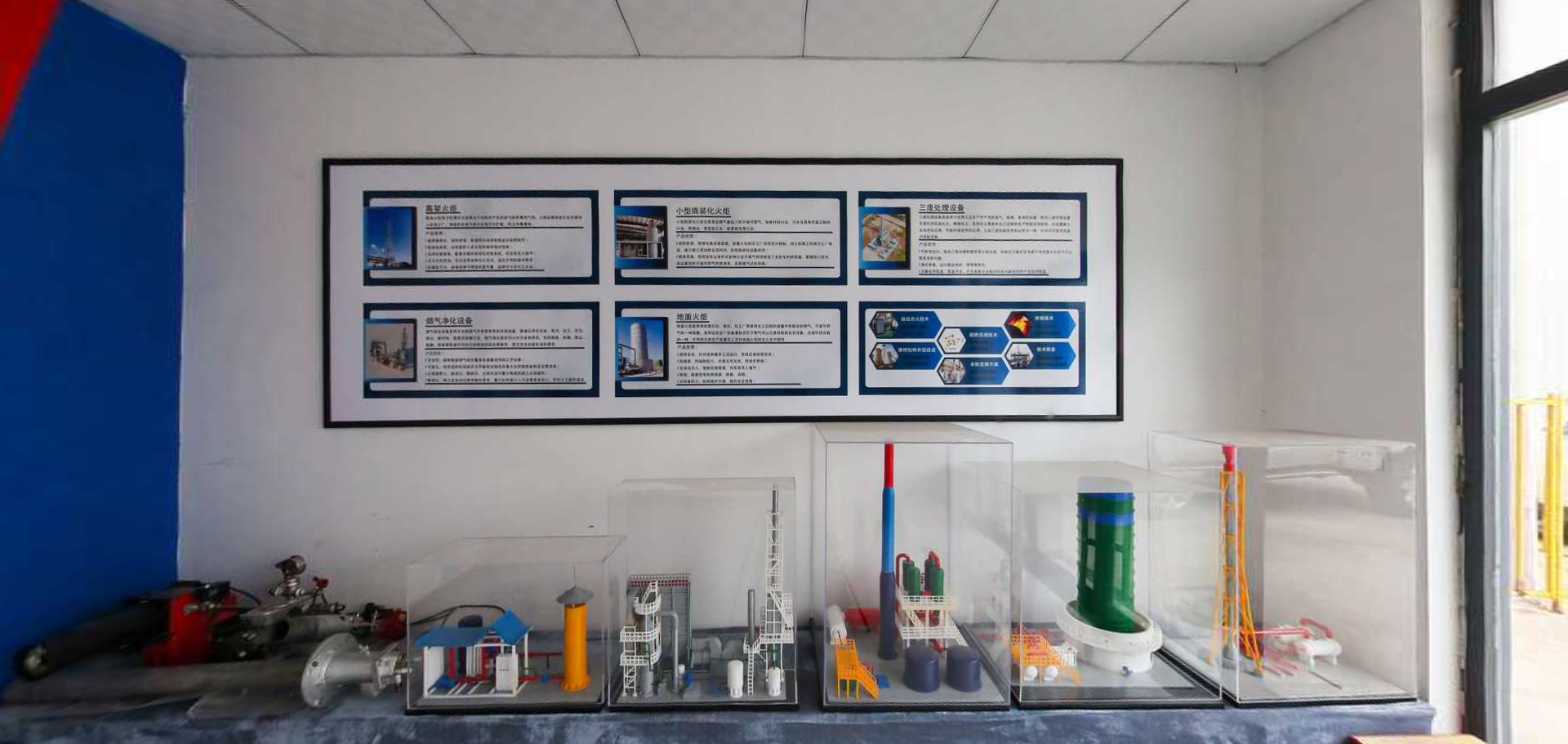
Manufacturing base in Shandong: flare systems, thermal oxidizers, and industrial incineration systems are fabricated and tested in-house.
Frequently Asked Questions
Does a refinery project need a flare system, an incinerator, or an RTO?
It depends on the stream, not on the plant type. Emergency relief and depressurization volumes at refineries are flare system services and are designed under API Standard 521, which specifies a minimum flare header slope of 1/4 inch per 10 feet for drainage. Continuous air streams carrying VOCs are thermal oxidizer services, typically handled by a ZX-TO, ZX-RTO, or ZX-RCO system. Solid, liquid, or hazardous waste streams require a rotary kiln incinerator such as the ZX-INC Series, which operates at 850°C–1200°C with multi-stage combustion. Many refinery and petrochemical sites operate more than one of these routes simultaneously. Zexuan manufactures all three families and provides engineering design, equipment manufacturing, installation, and commissioning as integrated services.
Can one manufacturer supply both a rotary kiln incinerator and an RTO for the same facility?
Yes. Zexuan manufactures the ZX-INC Series hazardous waste incineration system and the ZX-TO, ZX-RTO, and ZX-RCO thermal oxidizer series on the same 24,100 m² manufacturing base, with an annual manufacturing capacity of 60+ sets of flare and thermal treatment systems. Both product lines are project-customized: flare type, capacity, material, structure, control system, layout, voltage, and documentation are defined per project. This matters when a single plant needs incineration for hazardous waste and thermal oxidation for VOC-laden air, because the interfaces between the two systems are then designed by one engineering team.
What stream information determines whether ZX-INC or ZX-RTO is selected?
The decisive inputs are the physical state of the waste (solid, liquid, or gas), its composition including corrosive or hazardous components, the flow rate, and whether operation is continuous or batch. Incineration is specified for solid, liquid, and hazardous waste at 850°C–1200°C with multi-stage combustion. Thermal oxidation is specified for VOC-laden air streams at 800°C–1200°C, with destruction efficiency up to 99% or higher and RTO stated at ≥99%. Both families are customized to the waste gas conditions rather than sold from a fixed catalogue.
What are typical lead times and minimum order quantities?
Minimum order quantity is 1 set. Typical lead time is 60–120 days depending on project requirements, against a monthly output of 5 sets of customized industrial systems. Each unit passes incoming material inspection, welding inspection, dimensional inspection, pressure/leak testing where applicable, functional testing, and a Factory Acceptance Test before shipment, with 100% inspection. After-sales support covers remote support, commissioning assistance, spare parts, and training.
How do we start a project review and validate the design before ordering?
Start by providing waste stream data — state, composition, flow, temperature, and operating pattern — and Zexuan's engineering team will respond with a configuration and quotation. For combustion and incineration equipment, the validation step is the Factory Acceptance Test: the unit is functionally tested and inspected before shipment, under a documented 100% inspection protocol, so that performance and build quality are confirmed before the equipment leaves the manufacturing base. The Zexuan brochure with the full product range is available for download here: Zexuan Product Brochure (PDF).
Conclusion: Decide the Route Before the Equipment
The head-to-head answer is straightforward once the stream is properly classified. Hazardous waste incineration and VOC thermal oxidation are not competing versions of the same machine — they are two answers to two different project questions. The ZX-INC Series handles solid, liquid, and hazardous waste through multi-stage combustion at 850°C–1200°C with integrated waste gas treatment. The ZX-TO, ZX-RTO, and ZX-RCO series handle continuous VOC-laden air streams at 800°C–1200°C with destruction efficiency up to 99% or higher. Flare systems such as the ZX-EGF enclosed ground flare remain the correct route for emergency relief and intermittent vent volumes, designed under API 521.
Projects go wrong when the route is chosen by habit and the equipment is then stretched to compensate. They go right when stream classification comes first, the thermal regime and materials follow, and validation is planned before the purchase order is signed.
Next step: send your stream data, receive a configuration.
Shandong Zexuan Environmental Protection Technology Co., Ltd. supports incineration, thermal oxidation, and flare system projects from process evaluation through manufacturing, FAT, commissioning, and after-sales service. Share your waste stream characteristics and operating conditions for a project-specific configuration and quotation, or download the product brochure and review the full equipment range.
Email: alice@zexuaneco.com | WhatsApp: +86 186 7883 1572 | Website: www.zexuaneco.com
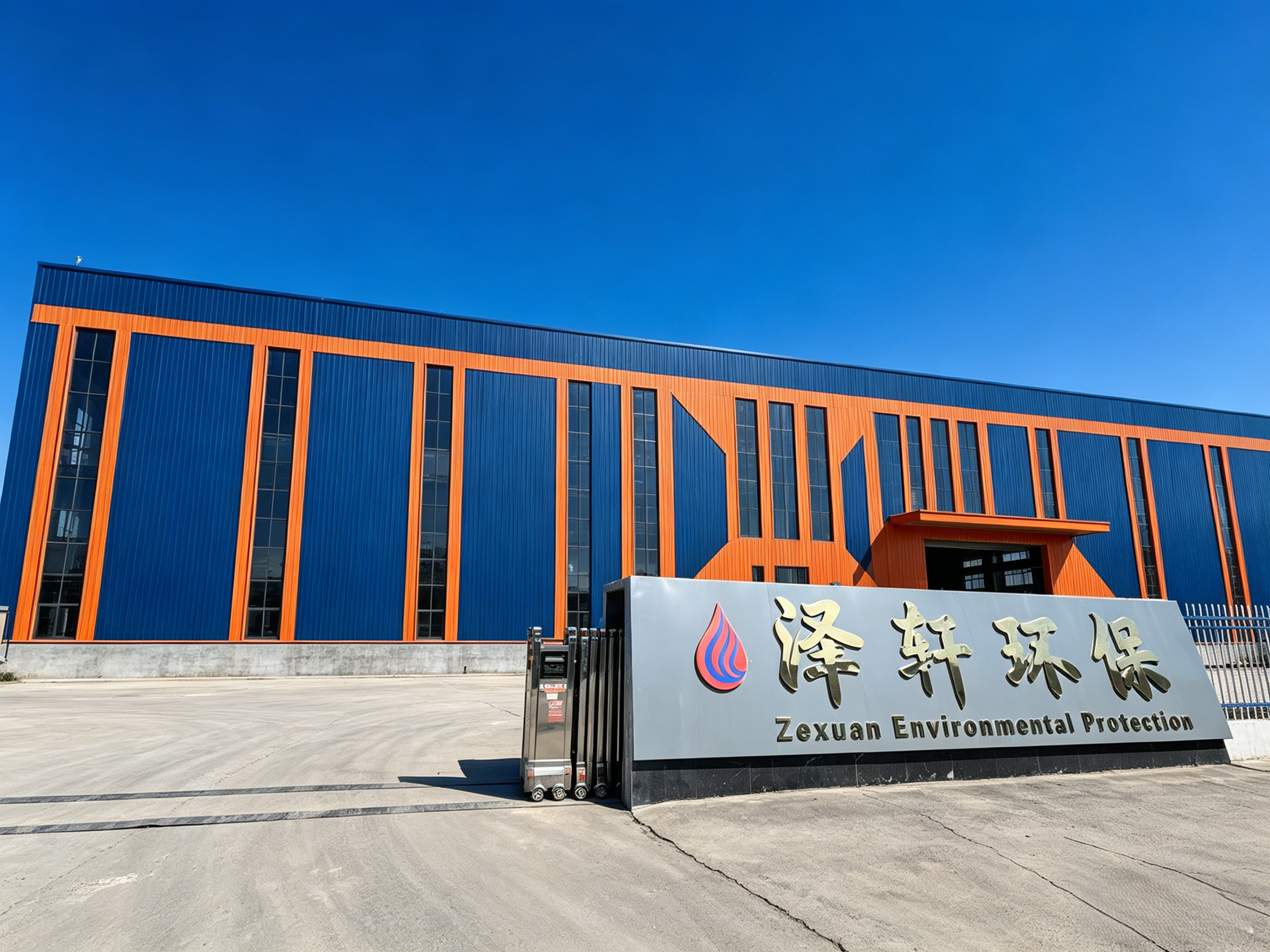
Shandong Zexuan Environmental Protection Technology Co., Ltd. — flare systems, thermal treatment equipment, and waste gas combustion solutions since 2015.
Have Questions or Need More Details?
Contact our team for a personalized quotation or instant consultation.
Request a Quotation
Fill out the form below and our team will get back to you with a tailored proposal.
WhatsApp Direct Chat
Prefer to chat in real-time? Message us on WhatsApp for instant assistance & quick answers.
- Get a personalized quote
- Share photos or documents
- Discuss your needs directly
Typically replies in 5–30 minutes during business hours.