Technical Guide to Selecting Flare Tips: Sonic, Coanda, and Air-Assisted Parameters
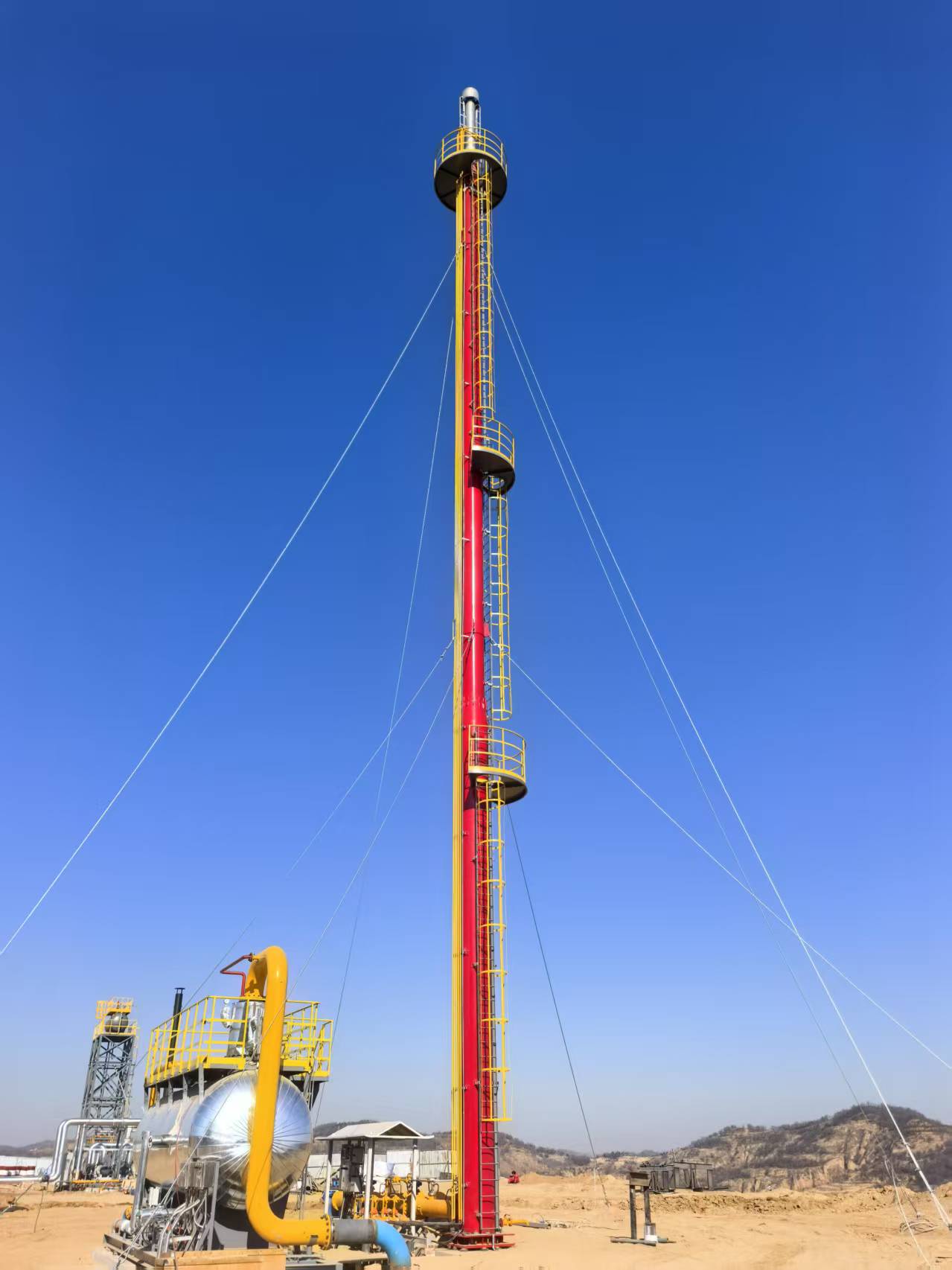
A flare tip decides whether a relief stream burns cleanly, whether the flame stays lit through a crosswind, and whether the tip survives years of high-temperature cycling. In refinery and petrochemical service, tip selection is an engineering decision that sits between the process datasheet and the site emission limit, and it is usually the last item fixed in a flare system project. That sequencing is the reason tip mismatches tend to appear during commissioning rather than during design review.
The ZX-FT Series flare tip, manufactured by Shandong Zexuan Environmental Protection Technology Co., Ltd. (Zexuan), is designed for smokeless, sonic, air-assisted, and Coanda operation. Its primary materials include Inconel 625, SS310S, and SS316L, it operates at temperatures up to 1100°C, and its diameter and gas capacity are customizable for hydrocarbon gases in refinery, petrochemical, LNG, and oil & gas processing industries.
This guide treats tip selection as a parameter problem rather than a product comparison: what each operating mode does with the gas stream, which flow and composition profiles each one suits, how material choice follows temperature and corrosion exposure, and which parameters a buyer should require a supplier to confirm before fabrication starts.
Problem Definition: Why Flare Tips Are Frequently Mismatched
Most flare tip problems are not manufacturing defects. They are specification mismatches created before the tip was ordered.
A flare system handles a relief envelope, not a single design point. Continuous process off-gas, low-flow intermittent vent gas, high-pressure methane, variable-pressure exhaust, toxic or hazardous components, and emergency release can all travel through the same tip. A tip configured around one representative flow rate can be stable at the design case and unstable at the turndown case, and no amount of fabrication quality compensates for that.
The risk categories that follow are consistent across flare system projects, and each one has a defined control method:
- High-temperature exposure and thermal stress — controlled through heat-resistant material selection according to operating conditions, thermal expansion considered in structural design, temperature monitoring and operation guidance, and factory inspection before delivery.
- Gas leakage, incomplete combustion, and ignition failure — controlled through an automatic ignition system, flame detection system, PLC-based control system, safety interlock design, and factory functional testing.
- Corrosion from acidic gas, moisture, or harsh environments — controlled through material selection based on gas composition, use of stainless steel and high-temperature alloys when required, welding quality inspection, and surface treatment and coating protection.
- Smoke, noise, thermal radiation, and pollutant emissions — controlled through combustion optimization, smoke suppression design, thermal radiation calculation, noise control measures, and flue gas treatment integration.
- Wind load, vibration, and structural fatigue — controlled through structural design according to project conditions, wind load and stability analysis, welding inspection, and dimensional inspection before shipment.
- Schedule delay or installation difficulties — controlled through engineering design review, production planning, quality inspection during manufacturing, installation guidance, and commissioning support.
Each control method produces evidence: calculations, inspection records, functional test results. A flare tip specification that does not ask for that evidence is incomplete, regardless of which tip design is chosen.
Industry Background: The Compliance and Market Context
Flare system design is primarily governed by API Standard 521 (Pressure-Relieving and Depressuring Systems), published by the American Petroleum Institute, which specifies a minimum flare header slope of 1/4 inch per 10 feet for drainage. API 521 sets the system-level framework — relief load definition, header hydraulics, and radiation assessment — inside which any tip has to work. A flare tip therefore cannot be evaluated in isolation from the system it serves.
The commercial context reinforces that compliance pressure. Global gas flaring volumes reached 151 billion cubic meters (bcm) in 2024, the highest level since 2007, according to World Bank flaring data. The global flare systems market is valued at approximately USD 4.8 billion in 2025 (Dataintelo), driven by regulatory pressure on hydrocarbon emissions and by recovery in oil and gas investment.
Within that market, the Totally Enclosed Ground Flares (TEGF) segment was valued at USD 113 million in 2024, with growth driven by efficiencies exceeding 98% in destroying harmful emissions (Intel Market Research). Asia-Pacific holds a 35% market share in the flare gas recovery system market as of 2025, the largest regional share globally (Grand View Research). Adjacent VOC control systems, including thermal oxidizers and incinerators, are estimated at USD 7.5 billion in 2025, with China identified as a key growth market (Fact.MR).
For buyers, the supplier landscape matters as much as the market size. Market intelligence covering the industrial flare system segment identifies Zeeco, John Zink Hamworthy (Koch), Honeywell UOP, and Baker Hughes as major global competitors (HTF Market Intelligence). Their presence sets a documentation and testing benchmark for the category. It does not answer the engineering question a project team actually faces: which tip design, in which material, matches this gas stream and this relief envelope.
Detailed Solution: The ZX-FT Series and Its Four Operating Modes
The ZX-FT Series flare tip is engineered around four operating modes — smokeless, sonic, air-assisted, and Coanda — that can be selected or combined according to the relief case. The series uses Inconel 625, SS310S, and SS316L as primary materials, operates at temperatures up to 1100°C, and is customized in diameter and gas capacity for hydrocarbon service in refinery, petrochemical, LNG, and oil & gas processing industries.
Smokeless operation
Smokeless operation is a combustion objective rather than a separate mechanism: the tip geometry and assist arrangement are configured so combustion remains smoke-free across the operating range the project defines. When specifying it, the range matters more than the claim. The flow window over which smokeless performance is maintained should be stated explicitly and tied back to the relief cases, because a tip that is smokeless at maximum relief and smoking at minimum continuous venting has not solved the site problem.
Sonic operation
A sonic tip drives the gas to a high exit velocity, which promotes air entrainment and mixing at the point of combustion. It suits relief streams that arrive with sufficient tip pressure to reach that condition. The parameters worth confirming are the exit velocity, the noise implications against site limits, and the pressure needed to reach sonic conditions at the minimum flow case — not only at the design case.
Air-assisted operation
Air-assisted designs introduce combustion air at the tip. The advantage is combustion control where the site has no other practical assist medium; the trade-off is a utility dependency, because the assist air supply must be available whenever the flare is in service. Reliability of that air supply becomes part of the flare system availability calculation, and it should be reviewed alongside the site utility philosophy rather than after the tip is ordered.
Coanda operation
Coanda operation uses the tendency of a gas stream to follow a curved profile, drawing combustion air along the tip surface without an external assist medium. It is the mode most often considered where gas arrives at low pressure and variable flow — the profile typical of landfill gas, biogas, and some intermittent vent streams. Because there is no assist medium to compensate, the turndown behaviour of the tip has to be matched closely to the actual flow distribution.
Material selection for high-temperature service
Material selection follows the same parameter logic as the tip mode. Zexuan applies material selection based on gas composition, using stainless steel and high-temperature alloys when required, supported by welding quality inspection and surface treatment and coating protection. On the ZX-FT Series, the primary material options are Inconel 625, SS310S, and SS316L, in a tip rated for service up to 1100°C.
When a tip alone is not the right answer
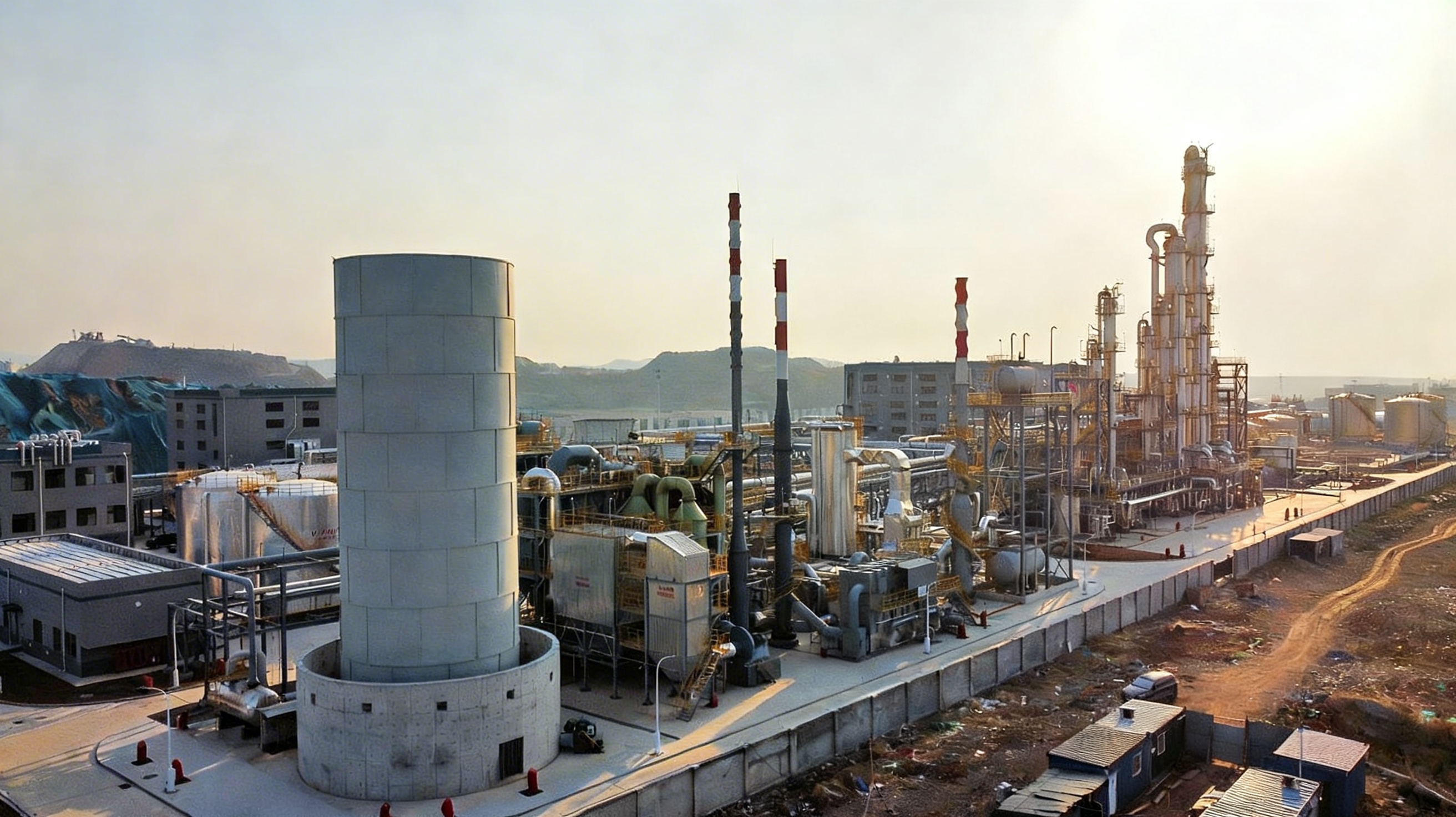
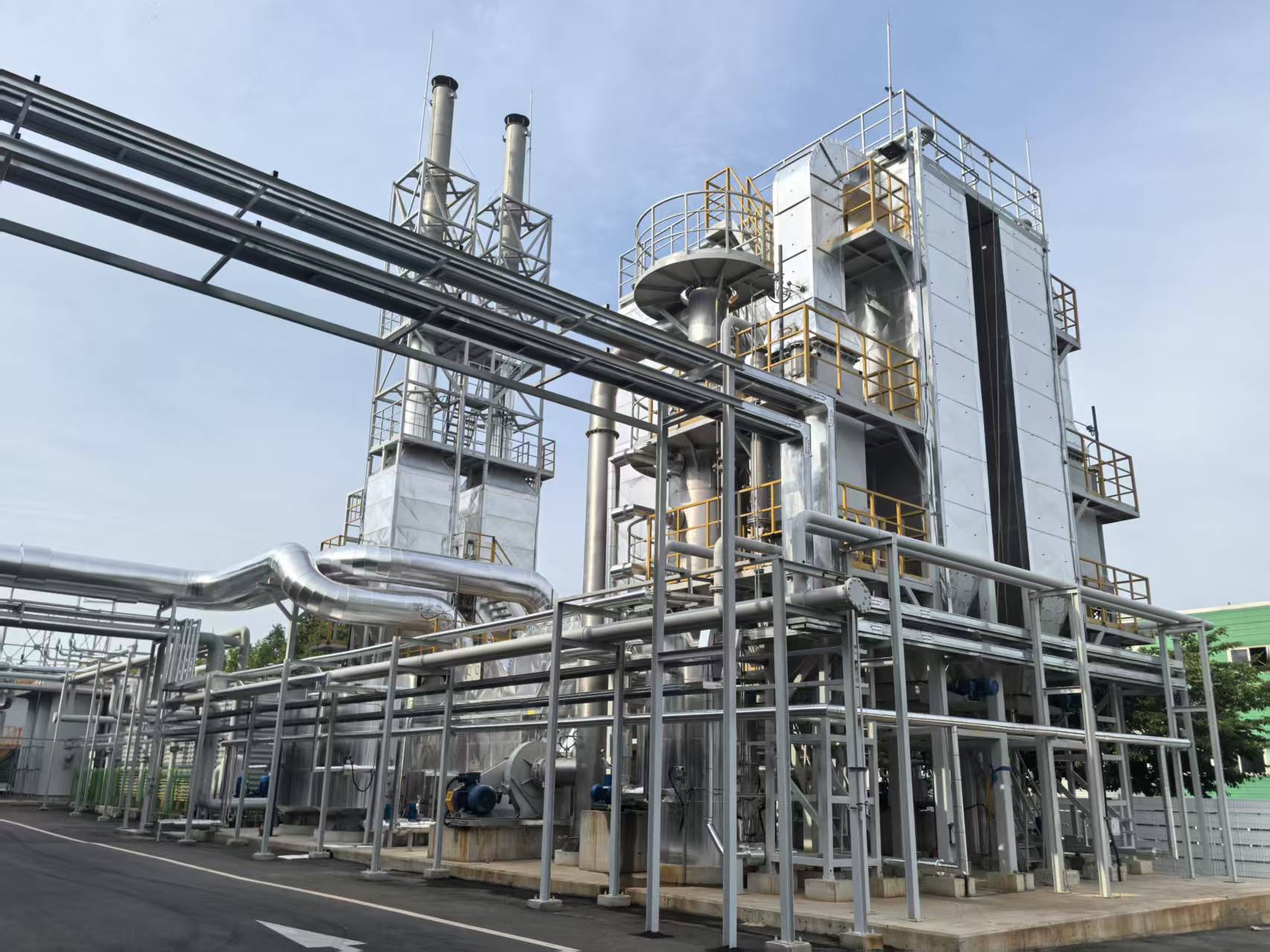
Some relief and waste gas problems are better solved at the configuration level. Zexuan supplies the ZX-EGF Series enclosed ground flare, which uses a low-radiation design and refractory lining with material options including carbon steel, SS304, SS316L, and SS310S; it operates at 800°C–1200°C with combustion efficiency up to 99.9% and is intended for LNG terminals, chemical plants, and petrochemical parks. For VOC-bearing streams, the ZX-TO, ZX-RTO, and ZX-RCO series thermal oxidizers operate at 800°C–1200°C with destruction efficiency up to 99% or higher, using direct thermal oxidation, regenerative thermal oxidation, and regenerative catalytic oxidation configurations. For solid, liquid, and hazardous waste, the ZX-INC Series rotary kiln incinerator operates at 850°C–1200°C with multi-stage combustion, heat recovery, and waste gas treatment integration.
Step-by-Step Breakdown: Selecting a Flare Tip in Six Steps
Step 1 — Define the relief envelope, not a single flow number
Start with the full set of cases the tip will see: continuous process off-gas and emergency vent gas, high-pressure methane, low-flow intermittent vent gas, variable-pressure exhaust, and toxic or hazardous components. In petrochemical and chemical processing plants, the same flare may operate in continuous or emergency standby modes, so both must be described. The minimum case is as important as the maximum case, because flame stability and smoke performance are usually worst there.
Step 2 — Characterize the gas composition
Composition drives both combustion behaviour and alloy choice. Acidic gas, moisture, and harsh environments are the stated corrosion risks in flare service, and the control method is material selection based on gas composition. Where a stream contains corrosive constituents, the material conversation should happen before the tip mode is finalised, because it may eliminate an otherwise attractive option.
Step 3 — Set the smoke and emission target for the site
Sites with visible smoke limits, plants near residential areas, and industrial parks with strict environmental requirements impose different performance targets. This is the point where the decision shifts between an open elevated flare with a ZX-FT Series tip and an enclosed configuration: enclosed ground flares offer lower thermal radiation, lower noise, and reduced visual impact, with similar combustion efficiency when properly designed, and better emission control and operational stability, at a higher initial investment.
Step 4 — Check the assist medium and utility availability
If the selected mode depends on an assist medium, the utility has to be treated as part of the flare system, not as a site assumption. Air-assisted operation adds a dependency on air availability; sonic and Coanda operation do not. Where the site cannot guarantee the utility, the tip mode — or the configuration — should be reconsidered at design stage rather than at commissioning.
Step 5 — Fix material and temperature class
Match the alloy to operating temperature and gas composition. The ZX-FT Series operates at temperatures up to 1100°C with Inconel 625, SS310S, and SS316L as primary materials, and thermal expansion is considered in the structural design of the assembly. Temperature monitoring and operation guidance are part of the same control package for high-temperature exposure and thermal stress.
Step 6 — Verify ignition, control, and evidence before shipment
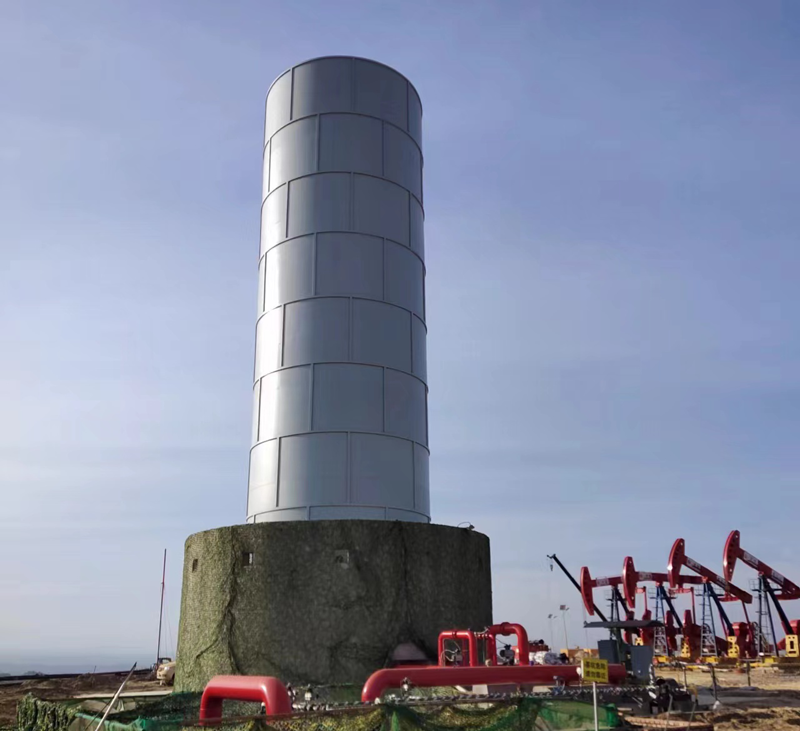
Confirm that the scope includes an automatic ignition system, flame detection system, PLC-based control system, and safety interlock design, all covered by factory functional testing. Then confirm the fabrication evidence: welding inspection, dimensional inspection before shipment, and wind load and stability analysis where the tip is supplied with or mounted on a stack. In a customized flare system scope, welding inspection and dimensional inspection are standard deliverables rather than optional extras.
Use Cases: Matching Tip Design to Operating Conditions
Tip selection becomes concrete when it is mapped to the streams a site actually produces. The following application profiles show where each parameter set tends to point.
Refinery, petrochemical, and chemical processing
In petrochemical and chemical processing plants, flare systems treat process off-gases and emergency vent gases to ensure safe operation and emission compliance. These streams combine high combustion efficiency requirements with difficult inputs: high-pressure methane, low-flow intermittent vent gas, variable-pressure exhaust, and toxic or hazardous components. Elevated flare, ground flare, and thermal oxidizer projects in this segment typically require automated operation, a stable flame, and low emissions, with supporting equipment covering the flare system, burner system, waste gas pipeline, control system, and flue gas treatment. This is the environment where sonic and air-assisted tip behaviour is most often specified.
LNG and LPG terminals and bunkering
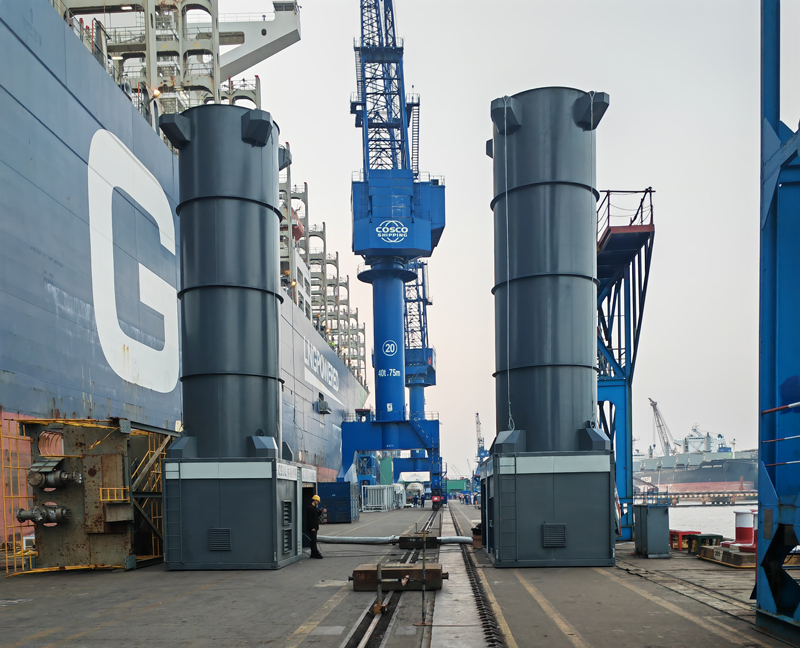
Skid-mounted flare designs are used for terminal and bunkering LNG/LPG boil-off gas treatment, as well as waste tire pyrolysis plants, plastic pyrolysis projects, remote industrial sites, and temporary gas treatment applications. The modular design enables faster installation and easier relocation than conventional field-built systems, with lower installation cost due to reduced site construction work, and easier replacement and maintenance through the integrated skid structure.
Landfill gas, biogas, and waste-to-energy
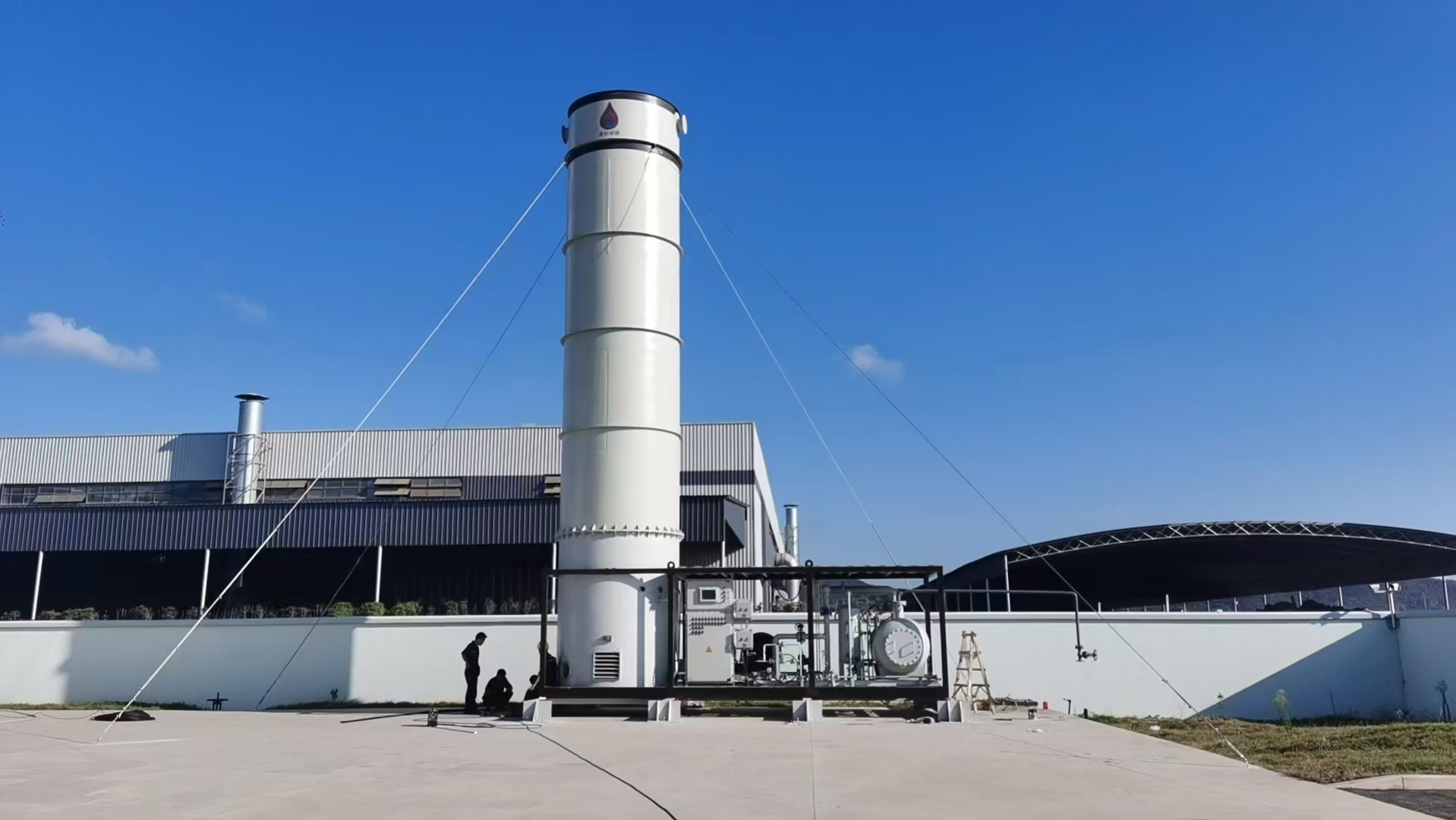
In landfill gas, biogas plant, and waste-to-energy applications, flare systems combust methane to reduce greenhouse gas emissions and improve environmental compliance. The operating profile is low pressure, variable flow rate, and continuous gas generation, with special requirements for automatic ignition, stable combustion, and outdoor reliability, supported by a biogas flare stack, blower, ignition system, and monitoring system. Low-pressure and variable flow is precisely where Coanda operation is normally evaluated.
Natural gas pipelines and compressor stations
Pipeline and compressor station service requires controlled combustion of natural gas during pipeline maintenance, commissioning, and emergency release, under high-pressure methane, low-flow intermittent vent gas, outdoor open-air, and variable-pressure exhaust conditions. The wide gap between emergency release and intermittent venting makes tip turndown a first-order selection parameter.
Metallurgy, steel, and heavy industry
Heavy industry streams bring high-temperature exhaust gas, dust-containing gas, and industrial combustion emissions, with requirements for high-temperature resistance, heavy-duty operation, and long service life, supported by a combustion system, heat recovery unit, and flue gas treatment equipment.
Project references
- Coalbed methane vent gas, China: a ground flare system with a processing capacity of 90×10⁴ Nm³/d, three-stage venting design, and PLC automatic control has been in operation for more than 2 years, achieving stable methane combustion and improved gas management safety.
- Plastic pyrolysis, Vietnam: a skid-mounted ground flare system using modular skid design for variable gas conditions was completed within 1 year, achieving reliable combustion performance with improved safety and reduced emissions.
- Tire pyrolysis, South Korea: three sets of flue gas treatment systems with a customized purification solution have been in operation for more than 1 year, improving exhaust gas treatment efficiency and reducing pollutant emissions.
- DL-Methionine production, China: two flare systems designed for complex chemical process gas achieved reliable treatment of process off-gas and stable operation over more than 1 year.
Comparison Table: Tip Operating Modes and Selection Parameters
The table below compares the four ZX-FT Series operating modes on the parameters that determine fit. It describes engineering behaviour, not a ranking — the correct mode is the one whose parameters match the relief envelope.
| Operating mode | How the design manages the gas stream | External assist medium | Where it fits best | Parameter to verify before ordering |
|---|---|---|---|---|
| Smokeless | Tip geometry and assist arrangement are configured to keep combustion smoke-free across the defined range | Depends on the assist arrangement selected | Sites with visible smoke limits and continuous venting duty | The flow window over which smokeless performance is maintained |
| Sonic | High exit velocity promotes air entrainment and mixing at the combustion point | None | Relief streams arriving with sufficient tip pressure | Exit velocity, noise against site limits, and pressure at the minimum flow case |
| Air-assisted | Combustion air is introduced at the tip to control combustion quality | Air supply required | Low-pressure hydrocarbon streams and sites with no other practical assist medium | Reliability of the air supply and its effect on flare system availability |
| Coanda | Gas follows a curved profile and draws combustion air along the tip surface | None | Low-pressure, variable-flow, or intermittent streams such as landfill gas and biogas | Turndown behaviour matched to the actual flow distribution |
Material choice is the second half of the selection decision. The ZX-FT Series uses Inconel 625, SS310S, and SS316L as primary materials, with the final selection made against gas composition and operating temperature, since Zexuan applies material selection based on gas composition and uses stainless steel and high-temperature alloys when required. Temperature capability for the series is up to 1100°C, and thermal expansion is considered within the structural design. Where a project cannot be satisfied by a tip alone, the configuration comparison below sets out the alternatives within the same equipment family.
| Configuration | Key parameters from the product range | Best suited to | Investment trade-off |
|---|---|---|---|
| ZX-FT Series flare tip (elevated flare service) | Smokeless, sonic, air-assisted, and Coanda operation; Inconel 625, SS310S, SS316L; up to 1100°C; customizable diameter and gas capacity | Refinery, petrochemical, LNG, and oil & gas processing hydrocarbon gases | Project-tailored design may require higher engineering input but reduces operation risks and requires less routine maintenance and fewer breakdowns than standard equipment |
| ZX-EGF Series enclosed ground flare | Low-radiation design with refractory lining; carbon steel, SS304, SS316L, SS310S; 800°C–1200°C; combustion efficiency up to 99.9% | LNG terminals, chemical plants, petrochemical parks, industrial parks, sites with strict environmental requirements or limited land | Higher initial investment, but lower thermal radiation, lower noise, reduced visual impact, and easier compliance |
| ZX-TO / ZX-RTO / ZX-RCO thermal oxidizers | VOC treatment at 800°C–1200°C; destruction efficiency up to 99% or higher; carbon steel, SS304, SS316L, ceramic heat storage materials | Chemical plants, pharmaceutical plants, waste gas treatment, and VOC control projects | Higher emission control capability and process adaptability, with heat recovery options that improve energy utilization |
| ZX-INC Series hazardous waste incineration | Rotary kiln design for solid, liquid, and hazardous waste; 850°C–1200°C; multi-stage combustion with heat recovery and waste gas treatment integration | Complex hazardous waste streams requiring integrated combustion and flue gas treatment | Integrated scope, with carbon steel, SS310S, refractory materials, and high-temperature alloys selected by service condition |
How to Evaluate a Flare Tip Supplier on Parameters
Because tip performance is difficult to judge from a catalogue, supplier evaluation should run on the evidence a manufacturer is prepared to commit to. The following criteria are drawn from how customized flare systems differ from standardized equipment.
- Project-tailored design versus fixed universal specifications. Customized flare systems provide project-tailored design and process-specific design for optimized combustion efficiency; standardized equipment uses fixed universal specs. For complex hazardous gas and variable operating conditions, the tailored approach is the one that reduces operation risks.
- Maintenance and breakdown profile. Project-tailored designs require less routine maintenance and fewer breakdowns than standard flare equipment, which matters over the multi-year operating life of a flare.
- Safety and control integration. Automatic ignition, flame detection, PLC-based control, and safety interlocks should be in scope and covered by factory functional testing.
- Structural and fabrication evidence. Wind load and stability analysis, welding inspection, and dimensional inspection before shipment are the documents that support the tip and stack together.
- Manufacturing and delivery capability. Zexuan operates a 24,100 m² manufacturing base with more than 80 employees, including 30+ engineering and technical specialists, with annual manufacturing capacity of 60+ sets of flare and thermal treatment systems.
Frequently Asked Questions
What standard governs flare system design, and how does it affect flare tip selection?
Flare system design is primarily governed by API Standard 521 (Pressure-Relieving and Depressuring Systems), published by the American Petroleum Institute, which specifies a minimum flare header slope of 1/4 inch per 10 feet for drainage. API 521 defines the system-level framework — relief load definition, header hydraulics, and radiation assessment — and a flare tip must be selected to operate within those limits. In practice, the tip specification should be traceable to the same relief cases and radiation criteria used for the rest of the flare system, instead of being developed as a standalone purchase item.
What materials and temperature limits apply to the ZX-FT Series flare tip?
The ZX-FT Series flare tip uses Inconel 625, SS310S, and SS316L as primary materials and operates at temperatures up to 1100°C. Diameter and gas capacity are customizable, and the series is designed for smokeless, sonic, air-assisted, and Coanda operation with hydrocarbon gases in refinery, petrochemical, LNG, and oil & gas processing industries. Final material selection is made against the project gas composition and operating temperature, because acidic gas, moisture, and high-temperature exposure drive different alloy requirements. On customized scopes, welding quality inspection and surface treatment and coating protection are part of the material-related control package.
How do you choose between sonic, Coanda, and air-assisted flare tip designs?
The choice follows the relief envelope rather than a design preference. Sonic operation suits streams that arrive with sufficient tip pressure, because it relies on high exit velocity to promote air entrainment and mixing. Air-assisted operation is considered where the site has no other practical assist medium, and it introduces a utility dependency because the air supply must be available whenever the flare is in service. Coanda operation suits low-pressure, variable-flow, and intermittent streams such as landfill gas and biogas, since it draws combustion air along a curved profile without an external assist medium. Smokeless operation is the performance objective these modes support, and the flow window over which it is maintained should be specified in writing. In petrochemical and chemical processing plants, the deciding inputs are usually high-pressure methane, low-flow intermittent vent gas, variable-pressure exhaust, and toxic or hazardous components, plus a requirement for high combustion efficiency, a stable flame, low emissions, and automated operation.
Does a project-tailored flare tip cost more than standard flare equipment?
Customized flare systems may require higher engineering input than standardized equipment, but they reduce operation risks, require less routine maintenance, and produce fewer breakdowns because the combustion design is matched to the actual gas and flow conditions. The same investment pattern appears across the equipment range: controlled combustion involves higher equipment investment than direct gas venting but avoids safety and environmental risks, and enclosed ground flares carry a higher initial investment than open elevated flares while reducing thermal radiation and noise and making compliance easier. Skid-mounted designs move in the opposite direction on installed cost, because reduced site construction work lowers installation cost compared with conventional field-built systems.
Which manufacturer is better for flare systems?
No single manufacturer is better for every flare system, because the deciding parameters are the relief envelope, gas composition, material requirement, and the evidence a supplier provides for combustion performance, structural verification, and testing. Market intelligence covering the industrial flare system segment identifies Zeeco, John Zink Hamworthy (Koch), Honeywell UOP, and Baker Hughes as major global competitors, and these companies set a demanding documentation benchmark for the category. A practical shortlist therefore compares suppliers on identical criteria: whether the tip is project-tailored or a fixed universal design, what inspection and functional testing is performed before shipment, how ignition, flame detection, and PLC control are integrated, and whether structural checks such as wind load and stability analysis are delivered with the equipment. Zexuan, established in 2015, manufactures flare systems and flare tips at a 24,100 m² manufacturing base with more than 80 employees, including 30+ engineering and technical specialists, and an annual manufacturing capacity of 60+ sets of flare and thermal treatment systems, with international project experience covering more than 10 countries. Buyers comparing on parameters rather than names can request the ZX-FT Series specification, or ask for a sample and quotation against a defined relief envelope, by contacting alice@zexuaneco.com.
Conclusion: Turning Tip Selection into a Verified Specification
Flare tip selection is decided by a small number of parameters: the relief envelope, the gas composition, the smoke and emission target, the availability of an assist medium, the operating temperature that fixes the alloy, and the control and inspection evidence that proves the assembly will behave as designed. Sonic, air-assisted, and Coanda operation, and smokeless performance across a defined range, are engineering responses to those parameters, not interchangeable catalogue options.
The ZX-FT Series flare tip applies this logic with Inconel 625, SS310S, and SS316L as primary materials, an operating temperature up to 1100°C, customizable diameter and gas capacity, and four operating modes for hydrocarbon gases in refinery, petrochemical, LNG, and oil & gas processing industries. Zexuan is a professional manufacturer and engineering service provider specializing in industrial flare systems, thermal treatment equipment, and waste gas combustion solutions, supporting customers from process evaluation and equipment selection through manufacturing, commissioning, and after-sales service.
Next Step: Check Your Tip Parameters Against the ZX-FT Series
Send the relief cases, gas composition, and flow envelope for your project, and Zexuan engineering will confirm the tip mode, material class, and control scope that fit it.
Download the full product catalogue: Shandong Zexuan Brochure (PDF)
Email: alice@zexuaneco.com | Tel / WhatsApp: +86 18678831572 | Website: www.zexuaneco.com
Have Questions or Need More Details?
Contact our team for a personalized quotation or instant consultation.
Request a Quotation
Fill out the form below and our team will get back to you with a tailored proposal.
WhatsApp Direct Chat
Prefer to chat in real-time? Message us on WhatsApp for instant assistance & quick answers.
- Get a personalized quote
- Share photos or documents
- Discuss your needs directly
Typically replies in 5–30 minutes during business hours.