Long-Term Flare Systems Supply from China: A Decision-to-Execution Guide
Long-Term Flare Systems Supply from China: A Decision-to-Execution Guide
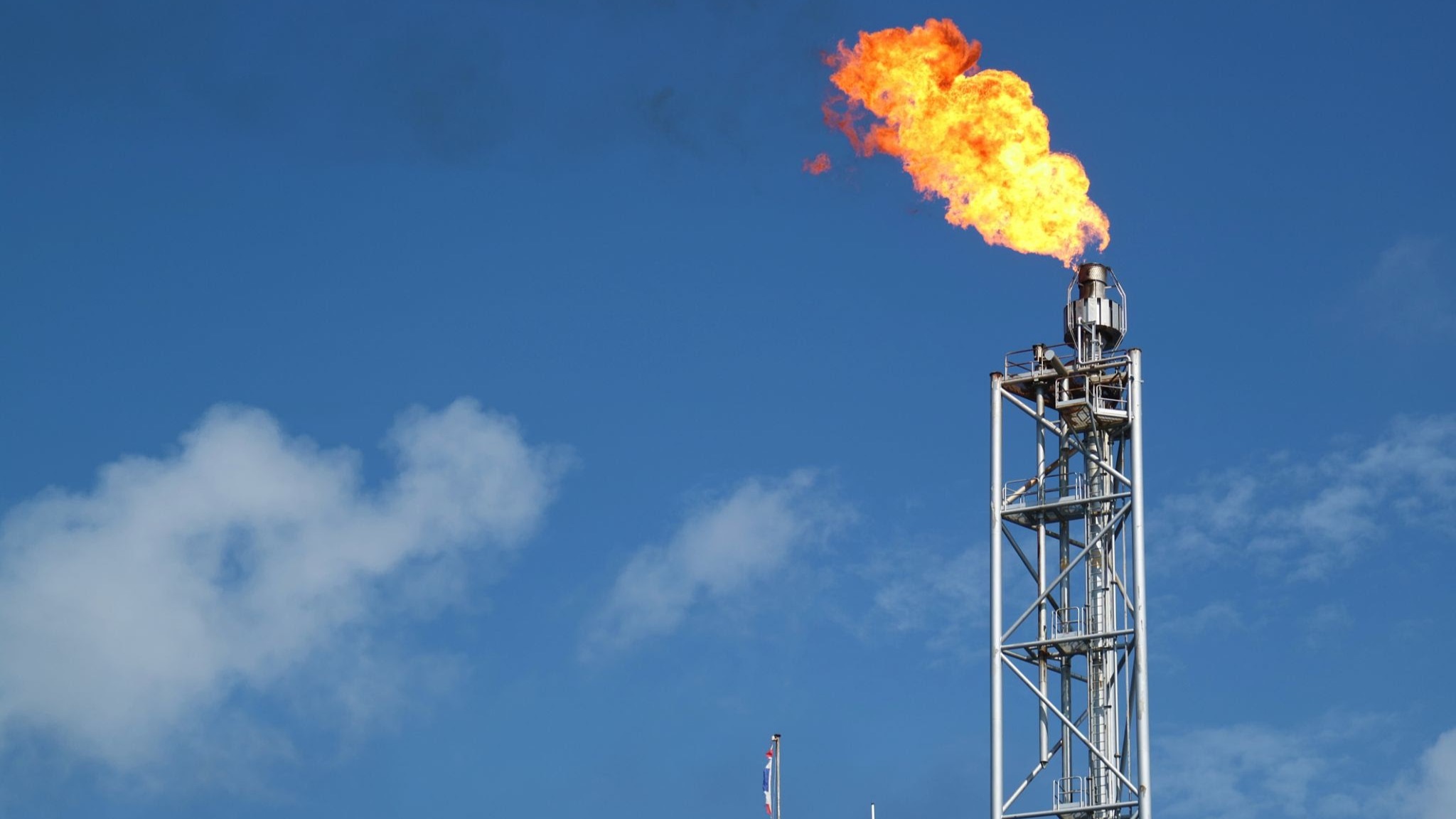
Selecting a flare systems supplier for a long-term relationship is different from buying a single skid. The buyer has to verify engineering depth, manufacturing capacity, compliance handling, delivery discipline, and field execution support before signing a framework agreement. This guide gives procurement teams and engineers a structured way to qualify a Chinese flare systems manufacturer and prepare for execution.
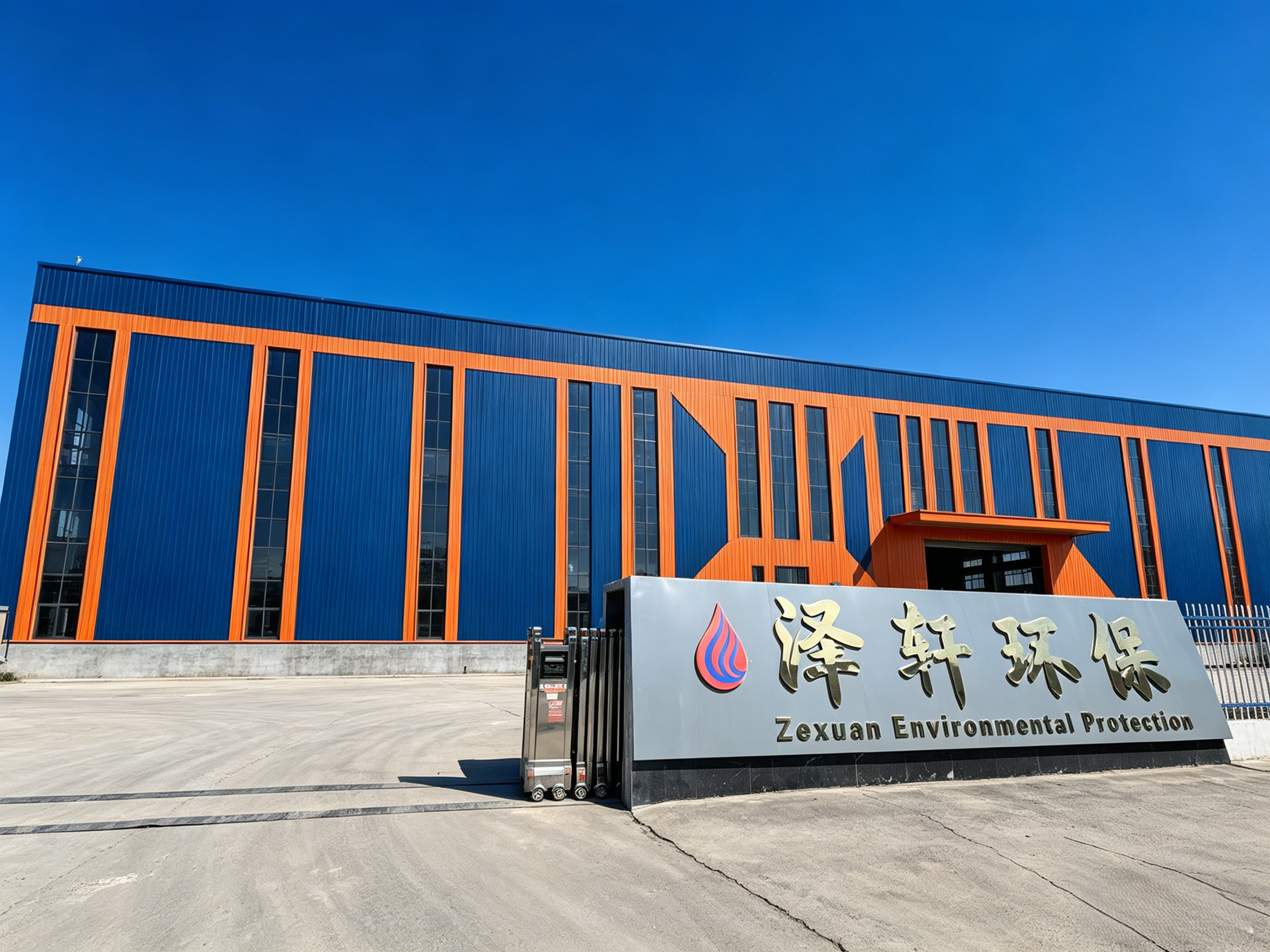
Zexuan — short for Shandong Zexuan Environmental Protection Technology Co., Ltd. — is a manufacturer and engineering service provider in Shandong, China. It specializes in industrial flare systems, thermal treatment equipment, and waste gas combustion solutions. Founded in 2015, Zexuan operates a 24,100 m² manufacturing base with more than 80 employees, including more than 30 engineers and technical specialists, and has project experience in more than 10 countries across the Middle East, Central Asia, Southeast Asia, Africa, and other regions.
The Problem: What Makes Long-Term Flare Systems Supply Fail
A long-term supply agreement fails when a supplier treats every order as a one-off purchase. Flare systems are safety-related and process-specific. Gas flow, composition, pressure, temperature, and site conditions change from project to project. If engineering, manufacturing, and after-sales functions are not connected, the buyer absorbs the operational risk.
Long-term buyers should look for a supplier that can demonstrate repeatable execution, not just product photographs. The relevant evidence includes project-tailored engineering, material traceability, factory testing, installation guidance, and commissioning support.
Industry Background: Why Flare Systems Demand a Long-Term View
Global gas flaring reached 151 billion cubic meters (bcm) in 2024, the highest level since 2007, according to the World Bank. That volume explains why flare systems remain critical in oil and gas, refining, petrochemical, and chemical operations. The global flare systems market was valued at approximately USD 4.8 billion in 2025, according to Dataintelo. Asia-Pacific holds a 35% share of the flare gas recovery system market as of 2025, according to Grand View Research.
API Standard 521 is the primary design standard for pressure-relieving and depressuring systems. It specifies a minimum flare header slope of 1/4 inch per 10 feet for drainage. Buyers establishing a long-term supply chain should expect their manufacturer to understand API 521, apply corrosion-resistant materials where required, and document design decisions.
Major global combustion companies such as Zeeco, John Zink Hamworthy, Honeywell UOP, and Baker Hughes operate in this segment. For buyers building a China-based supply chain, the evaluation standard should be the same: process design capability, manufacturing traceability, compliance documentation, and execution support.
What a Long-Term Flare Systems Supplier Should Provide
Project-Tailored Design Instead of Fixed Standard Equipment
A flare system is not a commodity product. Compared with standardized flare equipment, project-tailored design is based on gas flow, gas composition, pressure, temperature, and site conditions. This approach suits complex hazardous gas, variable operating conditions, and chemical or petrochemical processes. It may require higher engineering input, but it reduces operation risks and can lower routine maintenance compared with fixed universal specifications.
Zexuan's product series are project-customized: ZXE-SSEF self-supported elevated flares, ZXE-GWF guyed-wire elevated flares, ZXE-DSF derrick-supported elevated flares, ZXE-EGF enclosed ground flares, ZXE-SMF skid-mounted flare systems, ZXE-MTF mobile trailer flares, ZXE-FT flare tips, and ZXE-TO/RTO/RCO thermal oxidizers.
A Complete Product Portfolio Across Process Applications
A long-term partner should cover multiple process scenarios: elevated flare systems, enclosed ground flare systems, skid-mounted and mobile LNG/LPG flare systems, flare tips and combustion equipment, thermal oxidizers (TO/RTO/RCO), industrial incineration systems, and flue gas treatment and waste heat recovery equipment. This allows a buyer to standardize engineering interfaces while adapting each order to the specific process.
Zexuan designs for target industries including oil & gas, refining and petrochemical, LNG terminals, pipeline and compressor stations, chemical industries, municipal landfill and biogas projects, and metallurgy and heavy industries. Typical flare duties include continuous venting, process relief, start-up and shutdown relief, and emergency pressure relief.
Documented Compliance and Safety Engineering
For flare systems, safety design is a core deliverable. Zexuan's integrated safety design covers automatic ignition systems, flame detection, PLC-based control systems, safety interlock design, and factory functional testing. For projects requiring API 521 compliant design, Zexuan applies API 521 compliant design and corrosion-resistant materials to elevated and enclosed ground flare systems.
Some flare projects also require high reliability, smokeless combustion, low thermal radiation, and corrosion resistance. In those cases, the package may include a flare system, thermal oxidizer, burner system, waste gas pipeline, control system, and flue gas treatment system working as one integrated solution. The ZX-FT Series flare tip is designed for smokeless, sonic, air-assisted, and Coanda operation, with primary materials including Inconel 625, SS310S, and SS316L, and it operates at temperatures up to 1100°C.
Manufacturing Capacity and Schedule Predictability
Zexuan's annual manufacturing capacity is more than 60 sets of flare and thermal treatment systems. For customized industrial systems, monthly production capacity is 5 sets, and typical production lead time is 60–120 days depending on project requirements. The minimum order quantity is 1 set. Payment terms are negotiable; T/T and L/C are accepted, and typical terms are 30% advance payment and 70% before shipment. Delivery methods include EXW, FOB, and CIF.
Risk Control Throughout the Supply Relationship
The table below summarizes how Zexuan controls common flare project risks.
| Project risk | Zexuan control approach |
|---|---|
| Schedule delay or installation difficulties | Integrated project management: engineering design review, production planning, quality inspection during manufacturing, installation guidance, commissioning support |
| Smoke, noise, thermal radiation, pollutant emissions | Emission control design: combustion optimization, smoke suppression design, thermal radiation calculation, noise control measures, flue gas treatment integration |
| Wind load, vibration, structural fatigue | Engineering calculation and structural verification: structural design according to project conditions, wind load and stability analysis, welding inspection, dimensional inspection before shipment |
| Corrosion caused by acidic gas, moisture, or harsh environments | Corrosion-resistant material selection: material selection based on gas composition, stainless steel and high-temperature alloys when required, welding quality inspection, surface treatment and coating protection |
| Gas leakage, incomplete combustion, ignition failure | Integrated safety design and ignition system: automatic ignition, flame detection, PLC-based control, safety interlock design, factory functional testing |
| High-temperature exposure and thermal stress | High-temperature resistant design and material selection: heat-resistant materials according to operating conditions, thermal expansion consideration, temperature monitoring, factory inspection before delivery |
Step-by-Step: Qualifying and Executing a Long-Term Flare Systems Supply Relationship
- Define process and site data. Provide gas flow, gas composition, pressure, temperature, and site conditions. These inputs determine whether the design should be an elevated flare, enclosed ground flare, skid-mounted system, or thermal oxidizer.
- Set the compliance scope. Confirm whether API 521 compliance is required and identify emission limits for smoke, noise, thermal radiation, and pollutants.
- Choose the configuration. Match the flare type to the application. Enclosed ground flares work well for limited-space or low-noise sites. Skid-mounted systems suit LNG/LPG bunkering, remote sites, and temporary gas treatment.
- Verify engineering and manufacturing capability. Check the engineering team, manufacturing base, and production capacity. Zexuan has 20+ engineers, a 24,100 m² base, and a monthly production capacity of 5 customized sets.
- Agree on quality control. Use Factory Acceptance Test (FAT) and Site Acceptance Test (SAT) as acceptance milestones. Confirm material selection, welding inspection, dimensional inspection, and surface treatment requirements.
- Set commercial terms. Define MOQ, payment method, incoterms, and lead time. Zexuan's MOQ is 1 set; typical payment is 30% advance and 70% before shipment; delivery can be EXW, FOB, or CIF.
- Plan installation and commissioning. Use installation guidance and commissioning support to reduce site risks and keep long-term maintenance data consistent.
Use Cases: Where Long-Term Flare Supply Adds Value
Chemical Process Off-Gas Treatment
At a chemical manufacturing plant in China, two flare systems were installed for safe combustion of process vent gas generated during DL-Methionine production. The implementation period was more than one year. The system was designed for complex chemical process gas and customized as a flare system solution. It achieved reliable treatment of process off-gas, improved production safety, and stable operation.
API 521 Projects with Elevated and Enclosed Ground Flares
Projects that require API 521 compliant design and corrosion-resistant materials typically apply to both elevated flare systems and enclosed ground flare systems. These requirements are common where the gas composition or site environment creates corrosion risk.
Limited-Space and High-Constraint Sites
Enclosed ground flare systems are designed with low radiation and low noise, making them suitable for limited-space areas. Typical locations include LNG terminals, chemical plants, and petrochemical parks. The totally enclosed ground flares segment was valued at USD 113 million in 2024, with growth supported by destruction efficiencies exceeding 98%.
Skid-Mounted and Mobile Applications
Compared with traditional fixed flares, skid-mounted flare systems use a modular design and can reduce installation time. They are suited to terminal and bunkering LNG/LPG BOG treatment, waste tire pyrolysis plants, plastic pyrolysis projects, remote industrial sites, and temporary gas treatment applications.
VOC Destruction and Thermal Oxidation
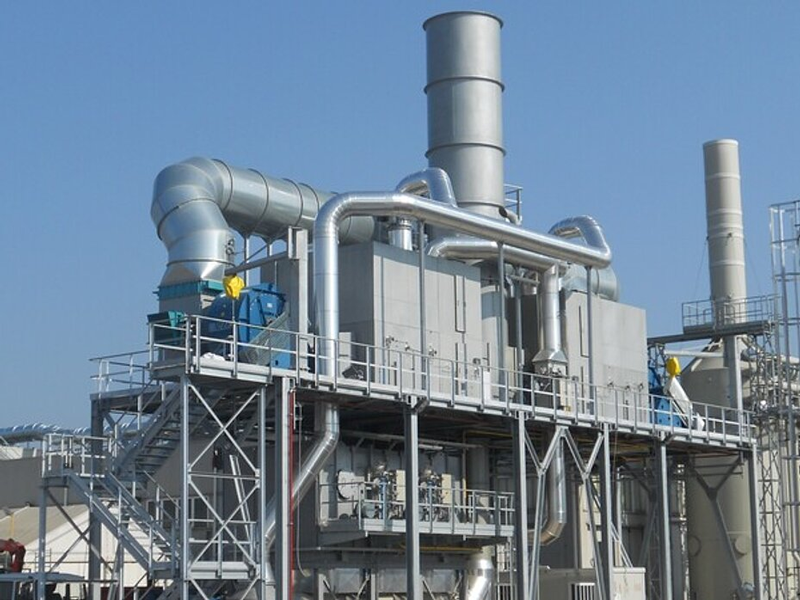
For plants that need emission control rather than emergency relief, Zexuan supplies TO/RTO/RCO thermal oxidizer systems. They operate at 800°C–1200°C and provide VOC destruction efficiency up to 99% or higher depending on the design. The VOC control systems market is estimated at USD 7.5 billion in 2025, with China identified as a key growth market. Heat recovery options can improve energy utilization.
Industrial Incineration and Integrated Treatment
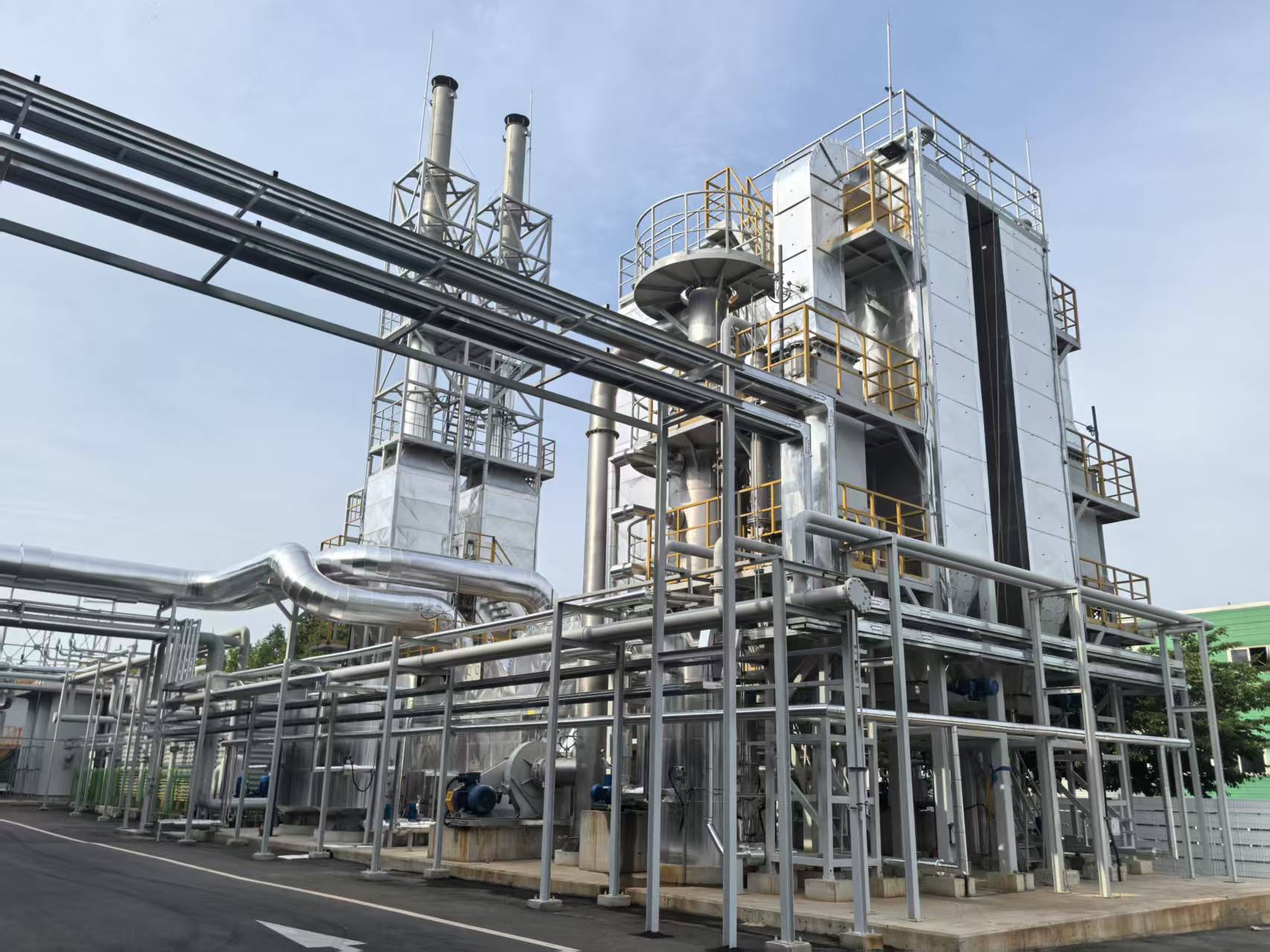
For solid, liquid, and hazardous waste streams, Zexuan supplies the ZX-INC Series rotary kiln incinerator. It operates at 850°C–1200°C with multi-stage combustion, heat recovery, and waste gas treatment integration. Construction materials include carbon steel, SS310S, refractory materials, and high-temperature alloys.
Comparison: Skid-Mounted vs. Traditional Fixed Flare Systems
| Comparison point | Skid-mounted flare system | Traditional fixed flare system |
|---|---|---|
| Design approach | Modular design | Conventional field-built system |
| Installation | Installation time can be reduced compared with conventional field-built systems | Conventional installation |
| Relocation | Easier relocation | — |
| Site construction | Lower installation cost due to reduced site construction work | — |
| Maintenance | Easier replacement and maintenance; integrated skid structure simplifies operation | — |
| Typical applications | Terminal and bunkering LNG/LPG BOG treatment, waste tire pyrolysis plants, plastic pyrolysis projects, remote industrial sites, temporary gas treatment applications | — |
| Combustion performance | Comparable combustion performance with customized design | — |
Replacing direct gas venting with controlled flare combustion provides the dual core advantages of safety and environmental protection. Destruction efficiency is typically ≥98% depending on system design, and the system converts combustible gas into controlled combustion products.
FAQ: Long-Term Flare Systems Supply Partner in China
Does Zexuan provide API 521-compliant flare system design for long-term supply agreements?
For projects where the client specifies API 521 compliant design, Zexuan applies API 521 compliant design and corrosion-resistant materials to elevated and enclosed ground flare systems. API Standard 521 is the pressure-relieving and depressuring standard and specifies a minimum flare header slope of 1/4 inch per 10 feet for drainage. Zexuan also uses automatic ignition, flame detection, PLC-based control, safety interlocks, and factory functional testing as part of its safety design.
Which flare system types can Zexuan supply over a long-term framework agreement?
Zexuan manufactures Elevated Flare Systems (self-supported, guyed-wire, derrick-supported, demountable), Enclosed Ground Flare Systems (EGF), skid-mounted and mobile LNG/LPG flare systems, flare tips, thermal oxidizers (TO/RTO/RCO), and industrial incineration systems. Product series include ZXE-SSEF, ZXE-GWF, ZXE-DSF, ZXE-EGF, ZXE-SMF, ZXE-MTF, ZXE-FT, and ZXE-TO/RTO/RCO. Each system is project-customized according to process conditions.
What are typical commercial terms for a long-term flare systems supply arrangement?
MOQ is typically 1 complete system because systems are customized to project requirements. Payment methods include T/T and L/C, with typical terms of 30% advance payment and 70% before shipment, negotiable according to project requirements. Delivery methods include EXW, FOB, and CIF.
Can we start with one flare system before committing to a long-term supply contract?
Yes. MOQ is typically 1 set, so a first project can be ordered as a single customized system. Acceptance is based on Factory Acceptance Test (FAT) and Site Acceptance Test (SAT), and installation guidance and commissioning support are included in the project process.
What lead time and production capacity should a long-term partner expect for customized flare systems?
Zexuan's monthly production capacity for customized industrial systems is 5 sets, and typical production lead time is 60–120 days depending on project requirements. The manufacturing base covers 24,100 m² and employs more than 80 people, including 30+ engineering and technical specialists. To check current capacity for your project schedule, contact Zexuan at alice@zexuaneco.com.
Conclusion: Turn Supplier Qualification into Execution
Long-term flare systems supply in China works when the supplier can translate process data into safe, compliant equipment, repeat that capability across orders, and support installation and commissioning. Zexuan's model is built around project-tailored engineering, a full product portfolio, API 521-relevant design, documented risk controls, and commercial terms that allow staged scaling.
Next step: review a real flare systems project scope.
Send your process data and compliance requirements to alice@zexuaneco.com or call/WhatsApp +86 186 7883 1572.
Have Questions or Need More Details?
Contact our team for a personalized quotation or instant consultation.
Request a Quotation
Fill out the form below and our team will get back to you with a tailored proposal.
WhatsApp Direct Chat
Prefer to chat in real-time? Message us on WhatsApp for instant assistance & quick answers.
- Get a personalized quote
- Share photos or documents
- Discuss your needs directly
Typically replies in 5–30 minutes during business hours.