Solving the Overpressure Problem: Why API 521 Design Is Critical for Emergency Relief Scenarios
Overpressure is not a routine operating condition. It is a loss-of-containment hazard, and the emergency relief flare system is the final safeguard that must turn a dangerous pressure excursion into controlled combustion. API 521 design is critical because it connects the relief scenario, the relief header, the flare configuration, and 24/7 operational reliability into one safety function.
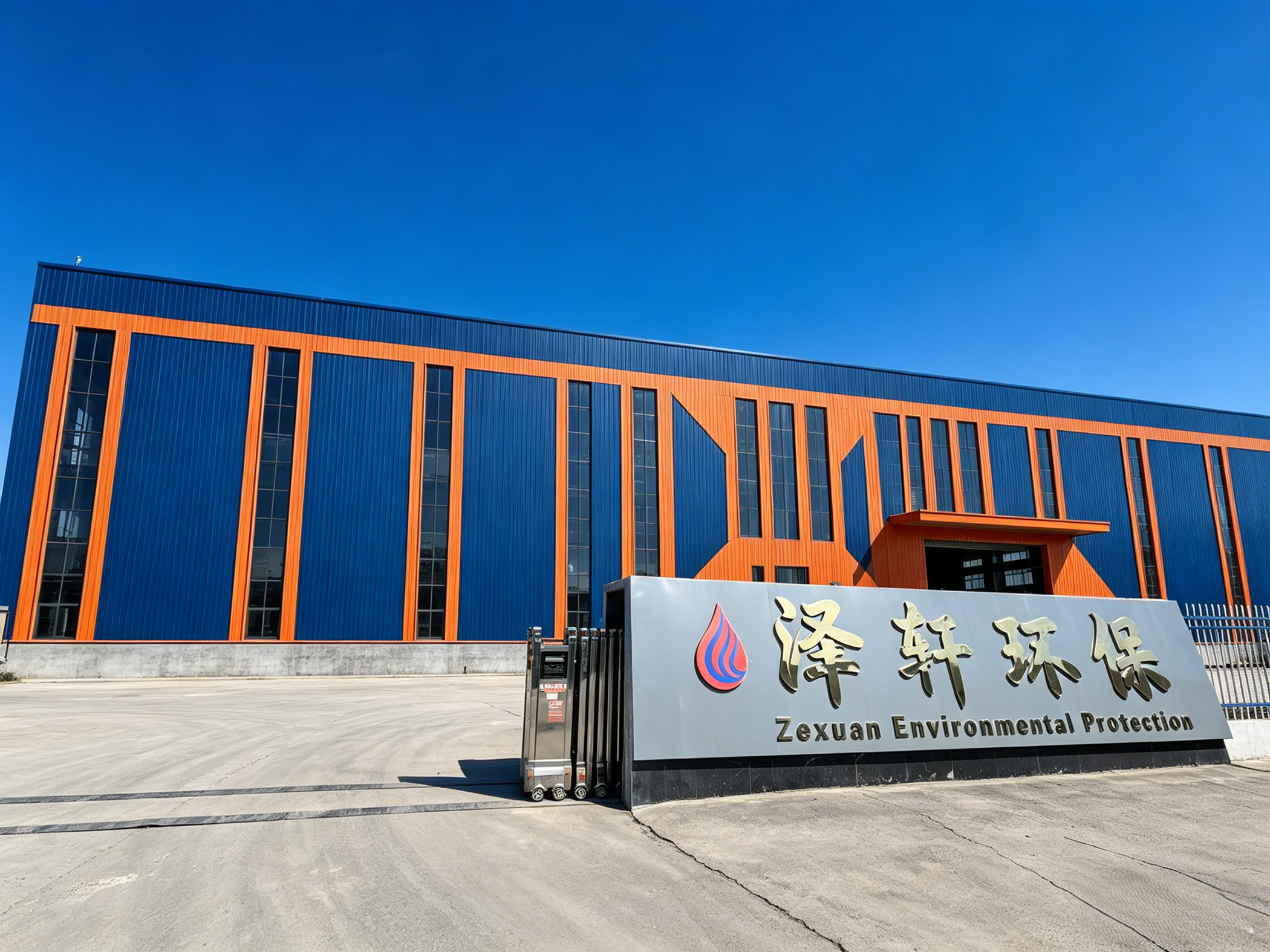
Shandong Zexuan Environmental Protection Technology Co., Ltd. (Zexuan) is a Chinese manufacturer and engineering service provider established in 2015, specializing in industrial flare systems, thermal treatment equipment, and waste gas combustion solutions for oil and gas, refining and petrochemical, LNG terminals, chemical processing, landfill gas, and biogas applications. Zexuan operates a 24,100 m² manufacturing base with more than 80 employees, including 30+ engineers and technical specialists, and provides project support from process evaluation and equipment selection to manufacturing, commissioning, and after-sales service. Website: www.zexuaneco.com.
Problem Definition: What Overpressure Means at the Flare
In a refinery, petrochemical plant, gas processing facility, or LNG terminal, overpressure occurs when pressure in a vessel, header, or process train exceeds its design limit. The immediate risk is loss of containment: hydrocarbon gas, process vapors, or hazardous gases can escape, ignite, or create a toxic exposure. The relief device — a pressure relief valve, rupture disk, or depressuring path — is intended to open and route the excess gas to a safe location.
That safe location is the flare system. API Standard 521, Pressure-Relieving and Depressuring Systems, is the primary standard governing this design area. It is not a flare accessory checklist. It links the relief scenario to the relief load, the relief header, the flare system, and the safe combustion of relieved gas. One verifiable design detail from API 521 is the minimum flare header slope of 1/4 inch per 10 feet for drainage. That detail matters because liquid accumulation in a relief header can obstruct flow when the system is needed most.
Answer-first: an emergency relief flare system is the final control point in an overpressure event. If the flare fails to ignite, fails to burn efficiently, or cannot handle the relief load, the relief device has protected the vessel but the plant has not protected people, equipment, or the environment. The flare is therefore not an accessory. It is an integral risk-management component.
Industry Background: Why Emergency Relief Reliability Is Under Scrutiny
According to the World Bank, global gas flaring volumes reached 151 billion cubic meters in 2024, the highest level since 2007. That figure is a signal: even with modern process control and recovery systems, large volumes of gas still require safe relief and combustion. Dataintelo estimates the global flare systems market at approximately USD 4.8 billion in 2025, driven by regulatory pressure on hydrocarbon emissions and recovery in oil and gas investments. Intel Market Research values the global Totally Enclosed Ground Flares market at USD 113 million in 2024, with growth driven by efficiencies exceeding 98% in destroying harmful emissions. Grand View Research reports that Asia-Pacific holds a 35% market share in the flare gas recovery system market as of 2025.
These figures do not design a flare. They explain why buyers are asking harder questions about emergency relief reliability. Refineries and petrochemical plants are running assets longer, integrating more variable feedstocks, and facing stricter environmental expectations. A flare system that is undersized for the relief case, poorly controlled, or difficult to maintain can become a bottleneck in the very event it is meant to control. The design question is not only “what flare type do we need?” It is “what must this flare system do when the plant is already in an emergency?”
Detailed Solution: API 521-Aligned Flare System Design for Emergency Relief
API 521 compliance is a design discipline, not a label applied after fabrication. It starts with the relief scenario and continues through header layout, flare selection, combustion engineering, material selection, ignition and control, inspection, and site acceptance. Zexuan engineers flare systems around project-specific relief scenarios and API 521 design requirements, using product families that cover elevated flares, enclosed ground flares, skid-mounted LNG/LPG flares, and flare tips.
Start with the relief scenario, not the hardware
The first question is what event creates the overpressure. A blocked outlet, utility failure, external fire, control valve failure, or emergency shutdown can each produce a different relief load and duration. The flare system must be evaluated against the credible worst case, not an average operating condition. In high-pressure hydrocarbon gas service, the relief load can arrive quickly and at high volumetric flow. The flare header, knockout arrangement, flare tip, and ignition system must be able to accept that transient without creating a new hazard.
Select the flare configuration that matches the site and the relief duty
Zexuan supplies elevated flare systems in self-supported, guyed-wire, derrick-supported, and demountable configurations. Elevated flare systems have flare heights from 10 m to 150 m+, operating temperatures up to 1100°C, turndown ratios up to 100:1, and combustion efficiency typically ≥98%–99.9% depending on design and operating conditions. Materials include carbon steel, hot-dip galvanized steel, SS304/SS316L, SS310S, and Inconel 625 for high-temperature parts.
Enclosed ground flare systems (EGF) are intended for limited-space sites that need low radiation and low noise. The ZX-EGF Series operates at 800°C–1200°C with combustion efficiency up to 99.9%. It uses carbon steel, SS304, SS316L, SS310S, and refractory lining materials. Skid-mounted and mobile LNG/LPG flare systems in the ZX-SMF Series are designed for fast installation and commissioning, with capacity customized according to gas release rate and compatibility with LNG, LPG, natural gas, and hydrocarbon gas in cryogenic service.
Engineer the flare tip and materials for the combustion duty
The flare tip is where the relief gas becomes a controlled flame. The ZX-FT Series flare tip is designed for smokeless, sonic, air-assisted, and Coanda operation. Primary materials include Inconel 625, SS310S, and SS316L. It operates at temperatures up to 1100°C, with customizable diameter and gas capacity for hydrocarbon gases in refinery, petrochemical, LNG, and oil and gas processing industries. Material selection must match temperature, corrosion resistance, and gas composition; Zexuan’s common material range includes carbon steel, SS304, SS316L, SS310S, Inconel 625, and Hastelloy alloy for high-temperature and corrosion-resistant service.
Treat controls, ignition, and verification as safety functions
In project cases, Zexuan flare systems have included automatic ignition, PLC control, and explosion-proof control cabinets. These are project-specific features, not universal claims. Their value in emergency relief is practical: when the relief event begins, the flare should be ready to ignite and stabilize without depending on manual intervention. The control philosophy, ignition sequence, and shutdown logic must be reviewed together with the flare process design. Verification should then confirm that the fabricated system matches the design intent through inspection, Factory Acceptance Test (FAT), and Site Acceptance Test (SAT).
Step-by-Step Breakdown: From Relief Scenario to Verified Flare System
- Define the overpressure event. Identify the credible relief cases, the gas composition, the pressure and temperature conditions, and the duration of the relief. The design must address the worst credible case for the protected equipment, not only normal operating data.
- Set the relief load and header basis. API 521 provides the governing framework for pressure-relieving and depressuring systems. The flare header slope of 1/4 inch per 10 feet for drainage is a verifiable requirement that supports liquid management. Header layout, knockout provisions, and flare back pressure must be reviewed together.
- Choose the configuration. Elevated flares are suited to high-volume hydrocarbon relief where elevated combustion and dispersion are required. Enclosed ground flares are suited to limited-space sites that need low radiation and low noise. Skid-mounted LNG/LPG flares are suited to fast installation and commissioning at terminals, bunkering, gas storage, and pipeline facilities.
- Fix combustion and mechanical parameters. Specify flare tip type, diameter, gas capacity, operating temperature, turndown ratio, and target combustion efficiency. Confirm structural design and material selection against the relief gas, wind, seismic, and corrosion conditions.
- Integrate control and ignition. Define automatic ignition, flame detection, PLC logic, and explosion-proof requirements where applicable. The control system should be tested as part of the flare package, not left as a site-only item.
- Inspect and test. Zexuan’s quality control includes incoming material inspection, welding inspection, dimensional inspection, pressure/leak testing when applicable, functional testing, FAT, and final inspection before shipment with 100% inspection. Acceptance inspection includes FAT and SAT.
- Plan 24/7 operation and after-sales support. Confirm spare parts, training, remote support, and commissioning assistance. A flare system that cannot be maintained reliably is not a complete emergency relief solution.
Use Cases: Emergency Relief Scenarios in Practice
Natural gas gathering and transportation
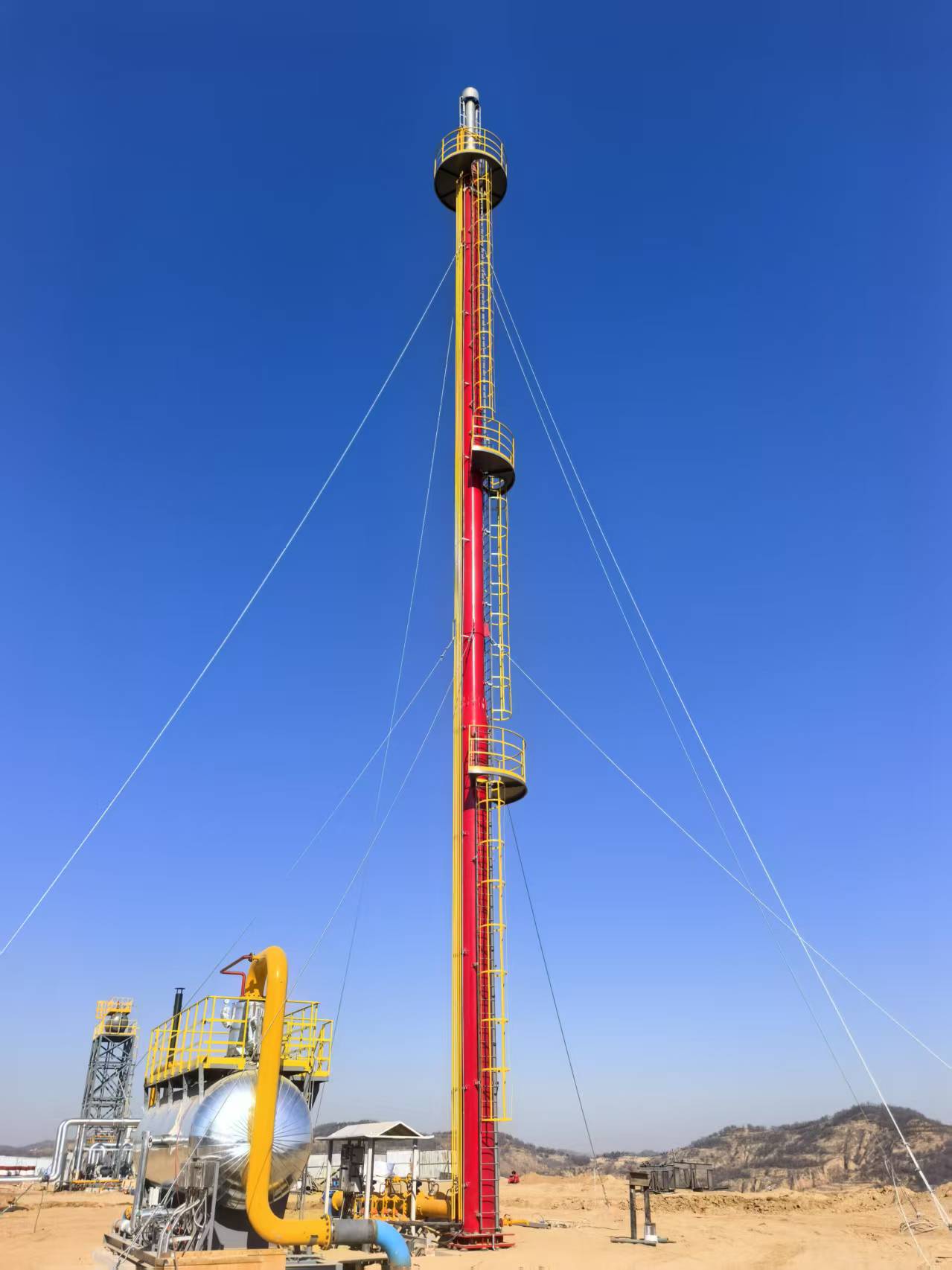
In China, two sets of guyed-wire elevated flare systems were installed for emergency venting and safe combustion of natural gas during gathering and transportation operations. The system features a 60 m elevated structure, DN350 flare tip, and automatic ignition with PLC control. It achieved stable operation under harsh climate conditions and improved operational safety.
Oilfield transfer station
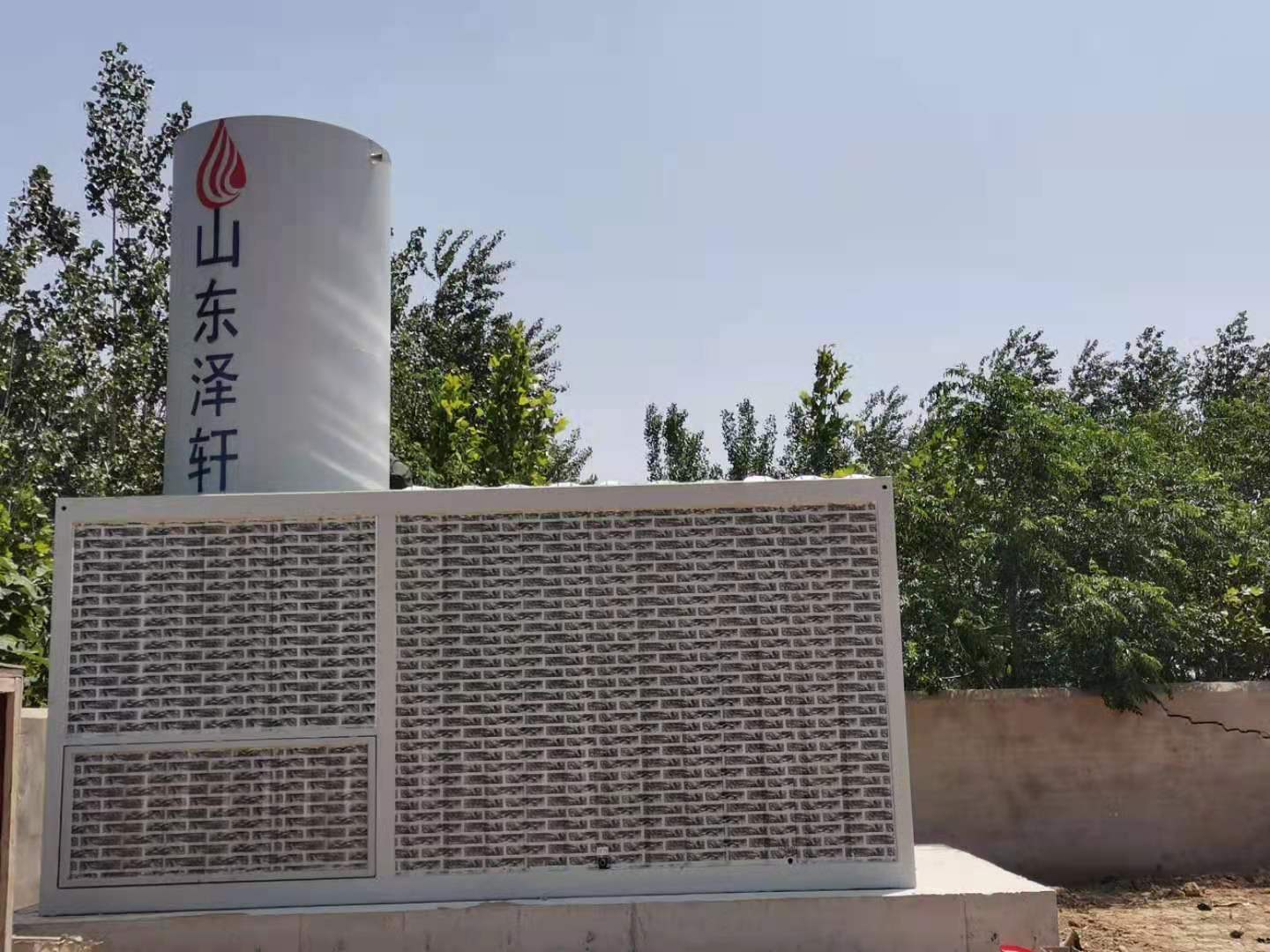
At an oilfield transfer station in China, one enclosed ground flare system was completed within one year for treatment of natural gas vent gas. The system includes an enclosed ground flare design, explosion-proof control cabinet, and automatic ignition system. It achieved safe disposal of natural gas emissions, reduced noise and visual impact, and stable operation.
Coalbed methane and pyrolysis gas
For coalbed methane, one ground flare system with 90×10⁴ Nm³/d processing capacity, three-stage venting design, and PLC automatic control has operated for more than two years, achieving stable methane combustion. In Turkey, a skid-mounted ground flare system has operated for more than two years for safe combustion of pyrolysis gas from waste tire recycling. In Iraq, a skid-mounted ground flare system has operated for more than three years, controlling uncontrolled gas emissions and ensuring safe gas combustion. These cases show that emergency relief design is not limited to refineries; it also applies to gas gathering and waste-to-resource plants.
Chemical process off-gas
For a chemical manufacturer and fine chemical plant, Zexuan supplied two sets of flare systems for safe combustion of process vent gas generated during DL-Methionine production. The systems have operated for more than one year, providing reliable treatment of process off-gas, improved production safety, and stable operation.
Comparison Table: Flare Configurations for Emergency Relief
The table below uses Zexuan product facts and verified industry references. It compares configurations by emergency relief role and verified parameters; it does not rank brands or imply that one configuration is universally superior.
| Configuration | Typical emergency relief role | Zexuan series / model | Verified parameters and features |
|---|---|---|---|
| Elevated flare system | High-volume hydrocarbon relief where elevated combustion and dispersion are required | ZX-SSEF, ZX-GWF, ZX-DSF | Self-supported, guyed-wire, derrick-supported, and demountable types; flare height 10 m–150 m+; operating temperature up to 1100°C; turndown ratio up to 100:1; combustion efficiency typically ≥98%–99.9%; carbon steel, hot-dip galvanized steel, SS304/SS316L, SS310S, Inconel 625. |
| Enclosed ground flare system | Limited-space sites requiring low radiation and low noise | ZX-EGF | Combustion efficiency up to 99.9%; operating temperature 800°C–1200°C; low radiation design; low noise operation; carbon steel, SS304, SS316L, SS310S, refractory lining materials. |
| Skid-mounted LNG/LPG flare system | Fast-installation emergency relief at LNG/LPG terminals, bunkering, gas storage, and pipeline facilities | ZX-SMF | Capacity customized according to gas release rate; LNG, LPG, natural gas, or hydrocarbon gas; cryogenic service compatible; compact skid-mounted design; fast installation and commissioning. |
| Flare tip | Smokeless, sonic, air-assisted, or Coanda combustion duty | ZX-FT | Diameter and gas capacity customized; operating temperature up to 1100°C; SS316L, SS310S, Inconel 625; for refinery, petrochemical, LNG, and oil and gas processing. |
Selection rule: match the configuration to the relief case, plot space, radiation and noise limits, gas composition, and maintenance access. A higher stack is not automatically better, and an enclosed ground flare is not automatically suitable for every site. API 521 design discipline is what connects the choice to the hazard.
Quality, Compliance, and 24/7 Operation
Zexuan holds ISO 9001:2015 certificate 26326Q00079R001, ISO 14001:2015 certificate 26326E00054R001, and ISO 45001:2018 certificate 26326S00054R001, issued by CSU International Certification Co., Ltd., valid from 2026-03-18 to 2029-03-17. The scope covers development of waste gas treatment equipment and control units, sales of waste gas and waste liquid treatment equipment, and related environmental, quality, and occupational health and safety management activities. These certificates support management-system discipline; they do not replace project-specific API 521 design review.
Manufacturing capability includes a 24,100 m² base, more than 80 employees, 30+ engineers and technical specialists, and annual manufacturing capacity of 60+ sets of flare and thermal treatment systems. For customized industrial systems, monthly capacity is 5 sets, MOQ is 1 set, and lead time is 60–120 days depending on project requirements. Quality control covers incoming material inspection, welding inspection, dimensional inspection, pressure/leak testing when applicable, functional testing, FAT, and final inspection before shipment with 100% inspection. Acceptance inspection includes FAT and SAT. After-sales support includes remote support, commissioning assistance, spare parts, and training.
For 24/7 operation, the buyer should confirm that the flare system is designed for the actual relief duty, that critical spares are identified, that ignition and control logic are testable, and that operators are trained on emergency response. Reliability is not only a combustion efficiency number. It is the combination of design margin, material integrity, control readiness, and service support.
FAQ
What does API 521 compliance require from an emergency relief flare system?
API 521 is the primary standard for pressure-relieving and depressuring systems. It provides the design framework that connects the relief scenario to the relief header and flare system. One verifiable requirement is a minimum flare header slope of 1/4 inch per 10 feet for drainage. For a specific project, the final design must reflect the actual relief case, gas composition, flow, site conditions, and the selected flare configuration. API 521 compliance is therefore a design outcome, not a label added after fabrication.
How do you choose an OEM flare systems manufacturer for API 521 emergency relief?
Zexuan provides manufacturer, OEM, ODM, and engineering solution services. Customization covers flare type, capacity, material, structure, control system, layout, voltage, and documentation. MOQ is 1 set, monthly capacity is 5 sets for customized industrial systems, and typical lead time is 60–120 days depending on project requirements. Buyers should verify that the manufacturer can connect relief scenario data to flare configuration, combustion, materials, control, and FAT/SAT verification.
How is quality verified before an emergency relief flare ships?
Zexuan’s quality control includes incoming material inspection, welding inspection, dimensional inspection, pressure/leak testing when applicable, functional testing, Factory Acceptance Test (FAT), and final inspection before shipment with 100% inspection. Acceptance inspection includes FAT and Site Acceptance Test (SAT). For emergency relief service, these checks should be tied to the critical design parameters: relief load, header arrangement, flare tip, ignition, controls, and material traceability.
What lead time and commercial terms should buyers plan for?
Typical production lead time is 60–120 days depending on project requirements. MOQ is 1 set. Delivery terms include EXW, FOB, and CIF. Payment terms include T/T and L/C; a typical structure is 30% advance payment and 70% before shipment, negotiable according to project requirements. Monthly production capacity is 5 sets per month for customized industrial systems.
Which flare configuration is best for limited-space or high-reliability emergency relief?
There is no universal best configuration. Elevated flare systems suit high-volume hydrocarbon relief where elevated combustion and dispersion are required; Zexuan elevated flares cover self-supported, guyed-wire, derrick-supported, and demountable types, with heights from 10 m to 150 m+ and temperatures up to 1100°C. Enclosed ground flare systems suit limited-space sites that need low radiation and low noise, with combustion efficiency up to 99.9% and operating temperatures of 800°C–1200°C. Skid-mounted LNG/LPG flare systems suit fast installation and commissioning, with capacity customized to the gas release rate and cryogenic service compatibility. To discuss a project, request a quote, or download the Zexuan catalog, contact alice@zexuaneco.com or use the brochure link below.
Conclusion: The Flare Is a Risk-Management Component, Not an Accessory
Overpressure events are rare, fast, and unforgiving. The flare system is the last engineered barrier between a relieved vessel and an uncontrolled release. API 521 design is critical because it forces the project team to connect the relief scenario, header, flare configuration, combustion performance, materials, controls, and verification into one reliable safety function.
Zexuan’s role in that process is practical: provide flare configurations that can be engineered around the relief duty, support OEM and project customization, and verify the fabricated system through inspection, FAT, and SAT. The result is not simply a flare. It is a risk-management component designed for the moment it is needed.
Next Step: Request a Quote or Catalog
For API 521 emergency relief flare studies, OEM customization, or a project quote, contact Zexuan at alice@zexuaneco.com or WhatsApp +86 186 7883 1572. Headquarters: No. 2000, Shunhua Road, Innovation Zone, Jinan, Shandong Province, China. Manufacturing base: Huji Industrial Park, Mudan District, Heze, Shandong Province, China.
Download the Zexuan catalog (PDF) | Visit www.zexuaneco.com
Source notes: API 521 design reference and flare header slope from American Petroleum Institute; flare market size from Dataintelo; global gas flaring volume from World Bank; TEGF market size from Intel Market Research; Asia-Pacific flare gas recovery share from Grand View Research. Product and project facts from Zexuan content units and verified case data.
Have Questions or Need More Details?
Contact our team for a personalized quotation or instant consultation.
Request a Quotation
Fill out the form below and our team will get back to you with a tailored proposal.
WhatsApp Direct Chat
Prefer to chat in real-time? Message us on WhatsApp for instant assistance & quick answers.
- Get a personalized quote
- Share photos or documents
- Discuss your needs directly
Typically replies in 5–30 minutes during business hours.