
Open vs Enclosed Biogas Flares: A Buyer's Comparison Guide for Landfill Gas
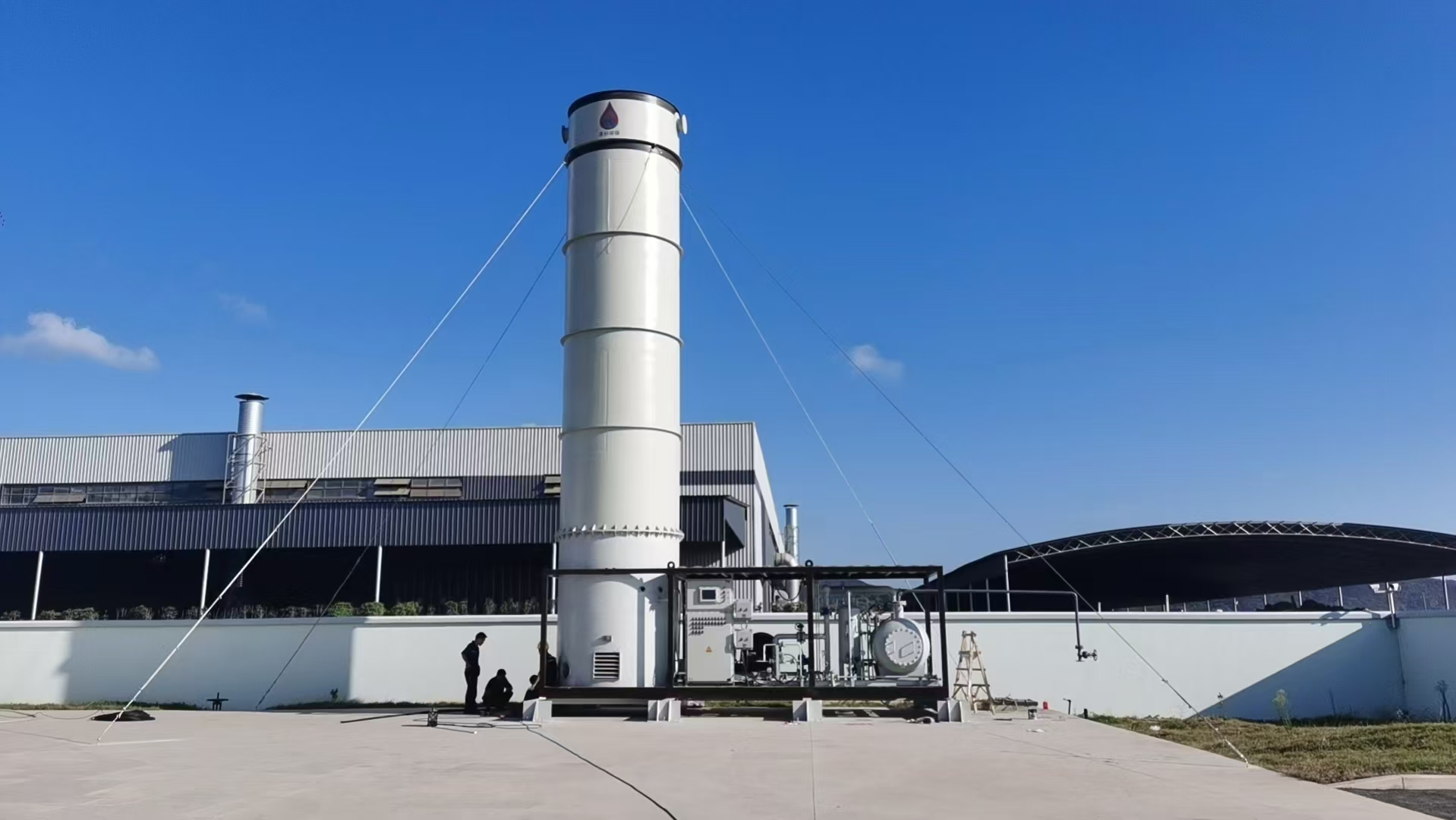
For landfill gas (LFG), anaerobic digestion gas, and wastewater treatment gas, the choice between an open biogas flare and an enclosed ground flare is mainly a site-constraint and compliance decision. Open flares are unenclosed open-flame systems; enclosed ground flares place the combustion zone inside a refractory-lined enclosure. Open configurations are often considered where space and visual impact are not tight; enclosed ground flares are selected where noise, thermal radiation, visual impact, or limited space dominate. Zexuan's ZXE-BGF Series can be supplied as an open or enclosed biogas flare and is available in carbon steel, hot-dip galvanized steel, and stainless steel construction. This guide compares the decision factors that matter for continuous low-pressure variable flow service.
Problem Definition: Why the Open vs Enclosed Decision Is Not Only About Combustion
Buyers often compare biogas flare options on equipment price or a single combustion-efficiency figure. That approach is incomplete for landfill gas because the flare must handle a variable gas stream: methane concentration can fluctuate, flow can change with extraction and site conditions, and pressure at the flare inlet is usually low. A configuration that works on a steady high-pressure gas stream may create operating problems on LFG.
The practical problem is therefore a set of linked constraints. A tall open flare may be acceptable at a remote landfill but difficult in an industrial park or near a wastewater treatment plant with neighbours. An enclosed ground flare may reduce noise and thermal radiation, but it requires an enclosure, refractory lining, and a burner and control design that suits the gas. The buyer must compare space, noise, radiation, visual impact, materials, maintenance access, compliance evidence, and long-term support as one decision package.
Industry Background: Landfill Gas, Methane Control, and Tighter Performance Expectations
Flaring remains a visible part of methane control. The World Bank's satellite-based Global Gas Flaring Data estimates that global gas flaring reached 151 billion cubic meters in 2024, the highest level since 2007. Landfill gas and wastewater treatment gas are smaller in scale than upstream associated gas, but they raise the same buyer question: how can the gas be combusted safely and with documented performance at a site with real constraints?
Regulatory expectations are also moving toward demonstrated performance. The U.S. EPA NSPS OOOOb rules eliminate the option to assume a default destruction efficiency of 98% for flares; operators must now demonstrate actual performance. The EPA also states that properly operated flares achieve at least 98 percent destruction efficiency in the flare plume. For enclosed ground flares, Zexuan reports combustion efficiency up to 99.9% for the ZX-EGF Series. These figures are not universal guarantees; they must be verified against the gas composition, operating range, and project-specific design basis.
API 521 provides a familiar design reference. ANSI/API Standard 521 is titled Pressure-relieving and Depressuring Systems and is identified as identical to ISO 23251 in the cited API document. A reference to API 521 is not, by itself, proof of compliance or certification. Buyers should ask for the design basis, calculations, material records, inspection plan, and acceptance test documentation that apply to their project.
Detailed Solution: A Decision Framework for Open and Enclosed Biogas Flares
What is an open biogas flare?
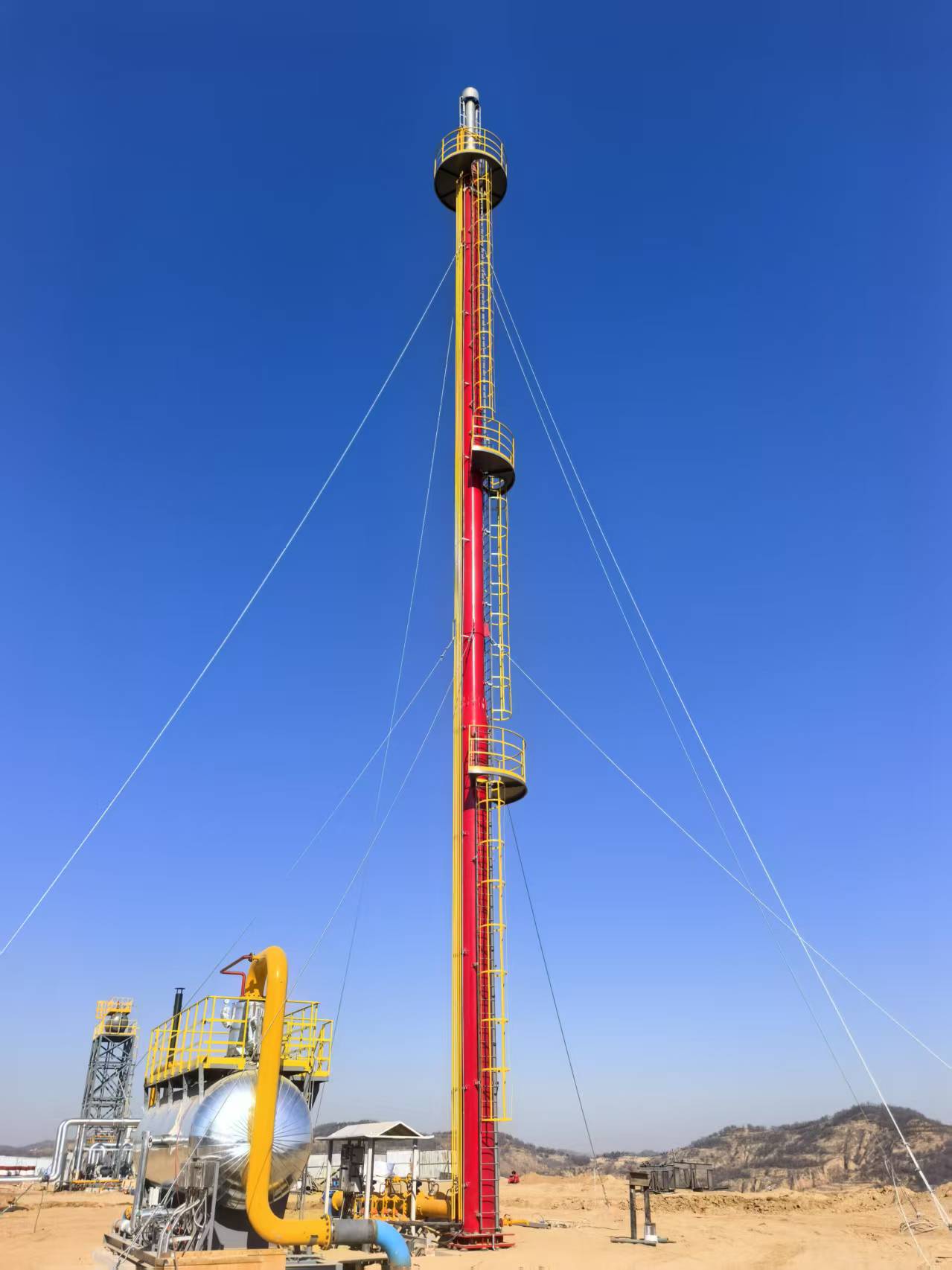
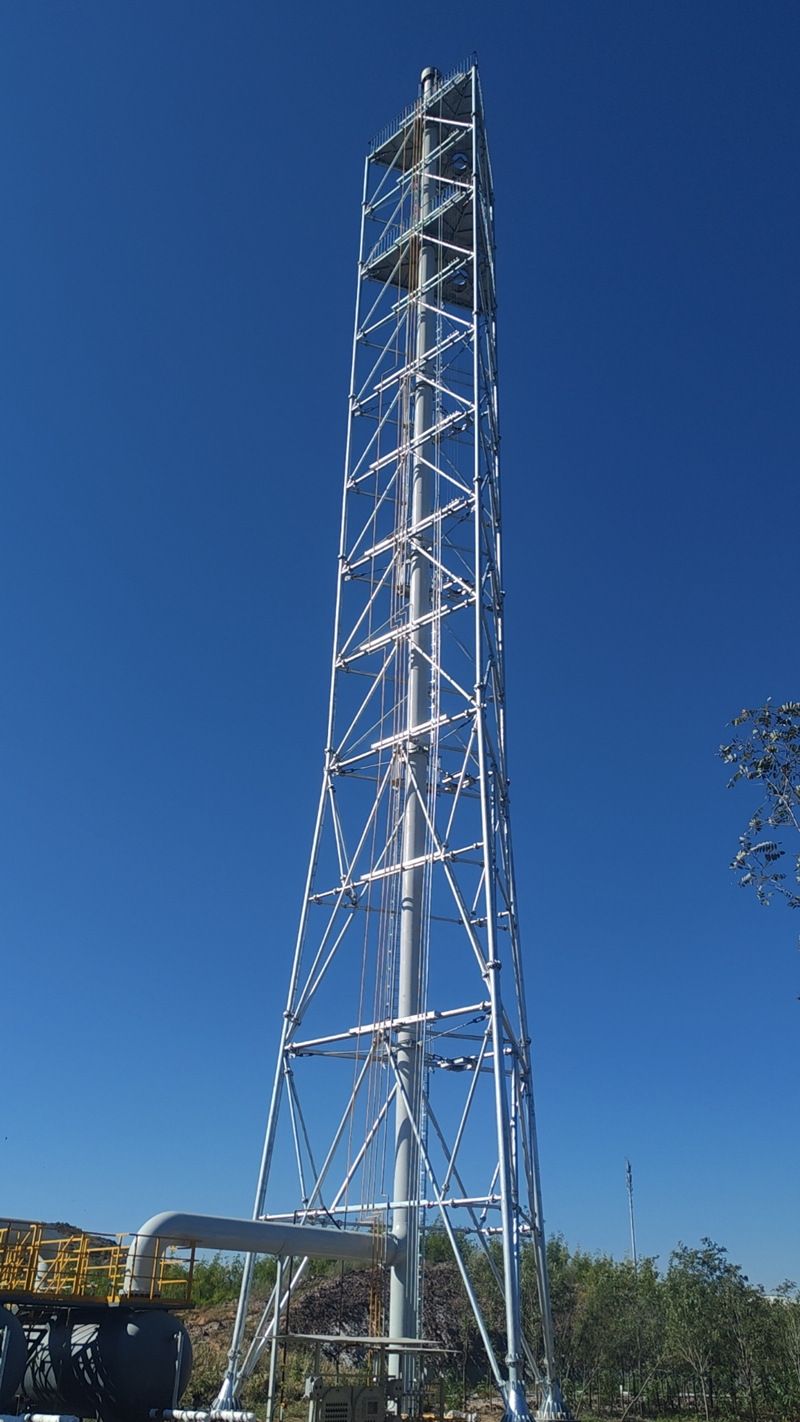
An open biogas flare is an unenclosed open-flame combustion system, typically mounted on an elevated stack. The EPA defines a flare as a thermal oxidation system using an open flame without enclosure. In landfill gas service, an open flare can be a practical choice when the site has enough separation distance, the visible flame is acceptable, and noise and radiation do not conflict with nearby receptors.
What is an enclosed ground flare?
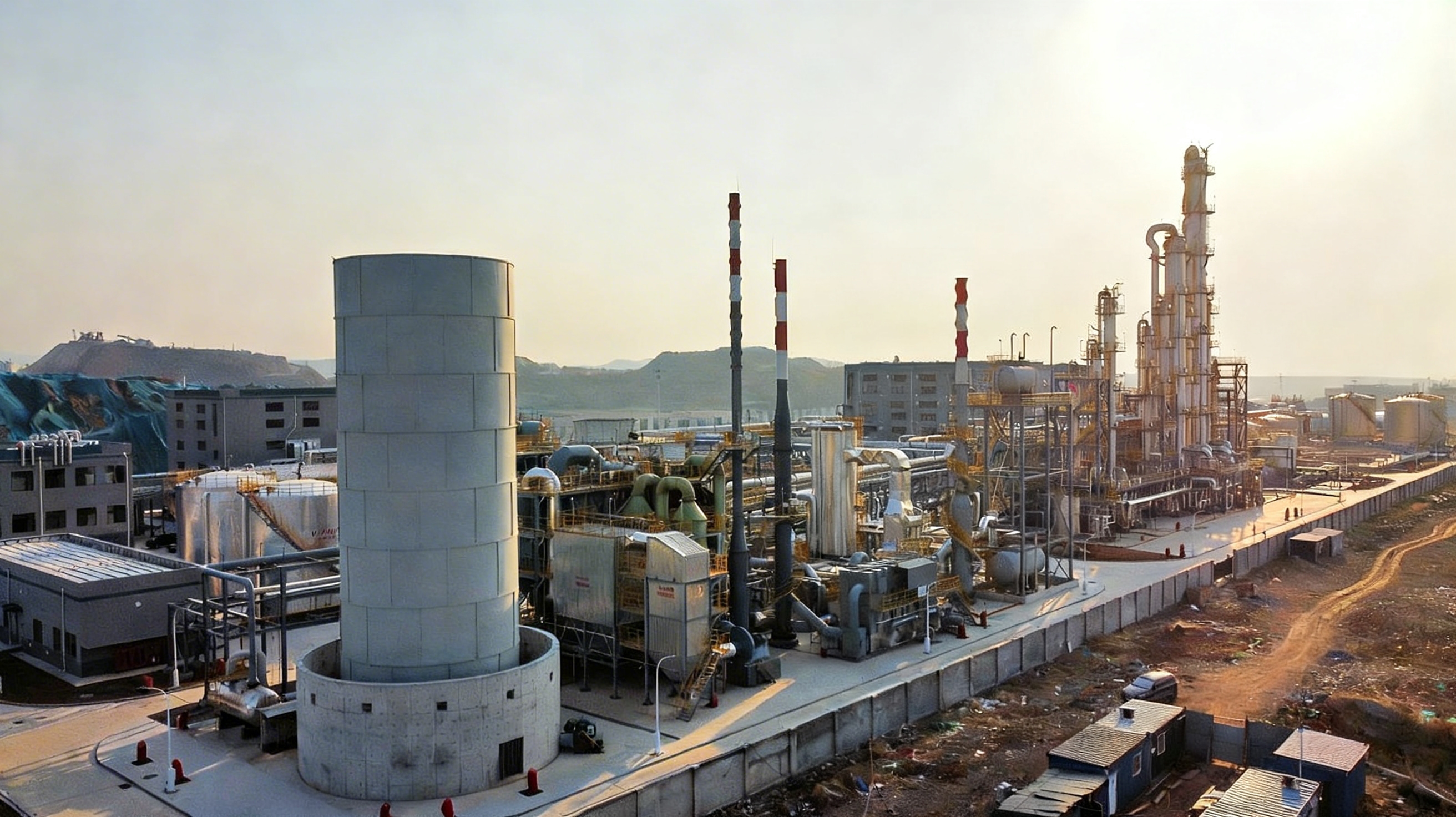
An enclosed ground flare places the combustion zone inside an enclosure at ground level. Zexuan's enclosed ground flare systems are designed with low radiation and low noise, and they are suitable for limited-space areas. The ZX-EGF Series enclosed ground flare features a low radiation design, refractory lining, and material options including carbon steel, SS304, SS316L, and SS310S. It operates at 800°C–1200°C with combustion efficiency up to 99.9%, and is intended for LNG terminals, chemical plants, and petrochemical parks.
Decision factor 1: Space availability
Space is often the first screening factor. An open elevated flare requires a stack and a defined separation distance for radiant heat. If the site is tight, or if the flare must sit close to a fence line, building, or process area, an enclosed ground flare is usually easier to integrate because the combustion zone is at ground level and the enclosure manages radiation and visual impact.
Decision factor 2: Noise limits
Enclosed ground flare systems are designed with low noise and are suitable for limited-space areas. That makes them a common consideration for wastewater treatment plants, industrial parks, and sites near residential or commercial receptors. Open flares can also be engineered for acceptable noise, but the buyer should define the noise limit at the relevant boundary and ask for the design measures that support it.
Decision factor 3: Thermal radiation
Thermal radiation is a safety and permitting issue. Enclosed ground flares use a low radiation design, and the comparison data for enclosed versus open elevated flares identifies lower thermal radiation as a key difference. An open flare can be designed with a taller stack or greater separation distance, but that may increase structural and site-layout requirements. The buyer should compare radiation contours, not just flare height.
Decision factor 4: Visual impact
An enclosed ground flare conceals the visible flame and reduces visual impact. For landfill sites near public roads, wastewater plants in urban areas, or industrial parks with architectural or community sensitivity, this can matter as much as the engineering data. An open flare remains a visible flame and should be assessed against local expectations and permit conditions.
Decision factor 5: Continuous low-pressure variable flow
Landfill gas and digester gas often arrive at low pressure and with variable flow. Both open and enclosed configurations can be designed for this duty, but the engineering details differ. The flare needs stable ignition, flame detection, and control logic that responds to flow and methane changes. For enclosed ground flares, the burner arrangement and enclosure must be matched to the turndown range. For open flares, the tip and assist system must maintain stable combustion across the same range. Ask for a design basis that covers minimum flow, maximum flow, pressure, methane concentration, and expected variability.
Decision factor 6: Materials, corrosion, and maintenance
Biogas can contain moisture and corrosive components, so material selection matters. Zexuan's ZXE-BGF Series is available in carbon steel, hot-dip galvanized steel, and stainless steel construction. The ZX-EGF Series offers carbon steel, SS304, SS316L, and SS310S options. Enclosed ground flares allow routine maintenance access at ground level, while open elevated flares require access to the stack and tip. The buyer should compare the maintenance plan, spare-parts list, and corrosion protection for each option.
Decision factor 7: Compliance and performance verification
Compliance should be defined before the configuration is fixed. API 521 compliant design, high reliability, smokeless combustion, low thermal radiation, and corrosion resistance are typical requirements for this application. The project may also require a flare system, thermal oxidizer, burner system, waste gas pipeline, control system, and flue gas treatment system as supporting equipment. Ask for a documentation package that connects the selected configuration to the applicable rules, performance claims, and acceptance tests.
Step-by-Step Breakdown: How to Select the Configuration
- Define the gas source and flow curve. Record whether the gas comes from landfill extraction, anaerobic digestion, or wastewater treatment. Provide minimum, normal, and maximum flow, pressure, temperature, methane concentration, and expected variability.
- Map the site constraints. Mark property lines, buildings, roads, maintenance access, and available footprint. Confirm whether a tall open stack is feasible and whether an enclosed ground flare footprint fits.
- Set noise, radiation, and visual limits. Define the boundary conditions that the flare must meet. Use these limits to compare open and enclosed options on the same basis.
- Select the preliminary configuration. Use an open flare where separation distance and visible flame are acceptable. Use an enclosed ground flare where limited space, low noise, low radiation, or reduced visual impact are priorities.
- Define materials, controls, and safety systems. Confirm material selection against the gas composition. Require automatic ignition, flame detection, PLC-based control, safety interlocks, and factory functional testing.
- Verify compliance and acceptance. Align the design basis with API 521 and the project's jurisdiction-specific rules. Define Factory Acceptance Test (FAT) and Site Acceptance Test (SAT) criteria before shipment.
- Plan long-term support. Agree on spare parts, documentation, commissioning support, and after-sales responsibilities. For a China-based supply partner, confirm production capacity, lead time, and payment terms in writing.
Use Cases: Where Open and Enclosed Configurations Fit
- Remote landfill sites with available land: an open elevated flare can be a practical choice when separation distance is available and visible flame is acceptable.
- Wastewater treatment plants in urban or mixed-use areas: an enclosed ground flare is often preferred because it is designed for low noise and low radiation and is suitable for limited-space areas.
- Anaerobic digestion projects in industrial parks: an enclosed ground flare can reduce visual impact and fit a compact site layout, while an open flare may be considered where the site has more room.
- Chemical and process vent gas: a customized flare system can be designed for complex gas. In China, two flare systems were installed at a chemical manufacturing plant for safe combustion of process vent gas from DL-Methionine production. The implementation period was more than one year, and the system achieved reliable treatment of process off-gas, improved production safety, and stable operation.
- Projects with strict documentation requirements: both configurations should be supported by a design basis, material records, inspection plan, and FAT/SAT documentation.
Comparison Table: Open vs Enclosed Biogas Flares for Landfill Gas
| Decision factor | Open biogas flare | Enclosed ground flare | Buyer implication |
|---|---|---|---|
| Flame visibility and visual impact | Open flame is visible; elevated stack is prominent. | Enclosed design conceals the visible flame and reduces visual impact. | Use enclosed where visual sensitivity or community proximity is a concern. |
| Thermal radiation | Requires separation distance and radiant-heat assessment. | Low radiation design; enclosure manages radiation at ground level. | Compare radiation contours, not only stack height. |
| Noise | Can be engineered, but combustion noise may require mitigation. | Designed with low noise and suitable for limited-space areas. | Use enclosed where boundary noise limits are tight. |
| Space requirement | Needs stack footprint and radiant-heat exclusion area. | Ground-level enclosure suits limited-space sites. | Check both footprint and safety distances. |
| Materials | ZXE-BGF Series: carbon steel, hot-dip galvanized steel, stainless steel. | ZX-EGF Series: carbon steel, SS304, SS316L, SS310S; refractory lining. | Match materials to moisture, corrosion, and temperature. |
| Combustion performance | EPA states properly operated flares achieve at least 98% destruction efficiency in the flare plume. | Zexuan reports combustion efficiency up to 99.9% for the ZX-EGF Series. | Verify performance claims against the project design basis. |
| Maintenance access | Access to elevated stack and tip is required. | Routine maintenance access at ground level. | Compare long-term access, spare parts, and safety procedures. |
| Typical fit | Remote sites, available land, visible flame acceptable. | Limited space, noise-sensitive or visually sensitive sites, low-radiation requirements. | Select by site constraints and compliance evidence, not price alone. |
Budget note: enclosed ground flares typically require higher initial investment than open elevated flares, but they reduce environmental impact and can make compliance easier in sensitive sites. Open flares may have lower equipment cost but can require a taller stack, a radiant-heat exclusion area, and visual or noise management. MOQ is 1 set; payment terms include T/T and L/C and are negotiable according to project requirements.
FAQ
What compliance requirements apply to open and enclosed biogas flares for landfill gas?
Start with the project's applicable rules and the design basis. API 521 is titled Pressure-relieving and Depressuring Systems and is identified as identical to ISO 23251 in the cited API document. In the U.S., EPA NSPS OOOOb rules eliminate the option to assume a default destruction efficiency of 98% for flares; operators must demonstrate actual performance. The EPA also states that properly operated flares achieve at least 98 percent destruction efficiency in the flare plume. Verify jurisdiction-specific requirements and request design-basis, material, inspection, and test documentation for the selected configuration.
Can enclosed ground flares handle continuous low-pressure variable landfill gas flow?
Yes, but the design must match the flow curve. Enclosed ground flare systems are designed with low radiation and low noise and are suitable for limited-space areas. For continuous low-pressure variable flow, the enclosure, burner, ignition, flame detection, and control logic must be engineered for the expected minimum and maximum flow, pressure, methane concentration, and turndown. Open and enclosed configurations can both be designed for variable flow, but the engineering details differ. Ask for a design basis that covers the full operating range.
What budget factors differ between open and enclosed biogas flares?
Enclosed ground flares typically require higher initial investment than open elevated flares, but they reduce environmental impact and can make compliance easier in sensitive sites. Open flares may have lower equipment cost but can require a taller stack, a radiant-heat exclusion area, and visual or noise management. The budget should include engineering, materials, controls, FAT/SAT, installation, spare parts, and long-term support. Zexuan's MOQ is 1 set, and payment terms include T/T and L/C and are negotiable according to project requirements.
Can I request a sample or technical proposal before ordering?
Industrial flare systems are customized, so the practical first step is a technical proposal and design review rather than a standard catalog sample. The MOQ is 1 set. Acceptance can be defined through Factory Acceptance Test (FAT) and Site Acceptance Test (SAT). Provide gas composition, flow range, pressure, site conditions, and applicable compliance requirements so the configuration can be reviewed. For a project-specific discussion, contact alice@zexuaneco.com or download the catalog from the link below.
How can I evaluate a long-term flare systems supply partner in China?
Check production capacity, lead time, documentation, acceptance testing, and after-sales support. Zexuan reports a monthly production capacity of 5 customized industrial systems and a typical production lead time of 60–120 days, depending on project requirements. The MOQ is 1 set, and payment terms include T/T and L/C and are negotiable. A long-term partner should also provide design review, inspection records, FAT/SAT support, commissioning guidance, spare-parts planning, and clear after-sales responsibilities. For a project-specific review, contact alice@zexuaneco.com or download the catalog.
Conclusion
For landfill gas, the open-versus-enclosed flare decision should be driven by site constraints, noise and radiation limits, visual impact, variable-flow capability, materials, and compliance evidence. Open biogas flares are often suitable where land and separation distance are available and a visible flame is acceptable. Enclosed ground flares are often preferred where space is limited, noise or visual impact must be reduced, or a low-radiation design is required. Zexuan's ZXE-BGF Series can be supplied as an open or enclosed biogas flare in carbon steel, hot-dip galvanized steel, and stainless steel, while the ZX-EGF Series provides an enclosed ground flare option with low radiation design, refractory lining, and material options including carbon steel, SS304, SS316L, and SS310S.
Before committing to a configuration, define the gas flow range, pressure, methane variability, site boundaries, noise and radiation limits, and the applicable compliance basis. Then compare open and enclosed options on the same technical and documentation basis. This approach gives the buyer a defensible decision rather than a preference based on equipment price alone.
Have Questions or Need More Details?
Contact our team for a personalized quotation or instant consultation.
Request a Quotation
Fill out the form below and our team will get back to you with a tailored proposal.
WhatsApp Direct Chat
Prefer to chat in real-time? Message us on WhatsApp for instant assistance & quick answers.
- Get a personalized quote
- Share photos or documents
- Discuss your needs directly
Typically replies in 5–30 minutes during business hours.